|
|
|
|
|
|
The AgriSolar Bulletin: January-March 2026 Edition
|
|
|
India
|
|
Major News Highlights
|
|
Promising Pathway: PM-KUSUM 2.0 could give a bigger push to agrivoltaics
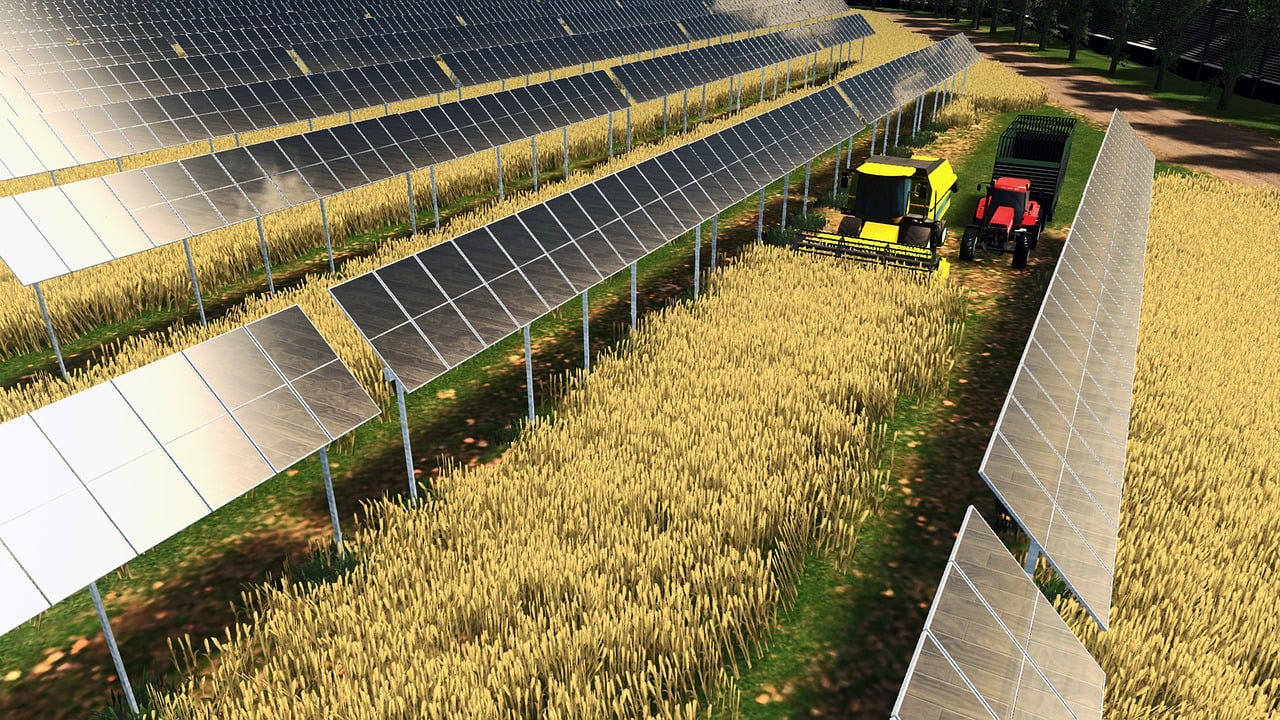
To mainstream Agri-PV in India, it is essential to strengthen institutional and financial mechanisms that enable collective participation and reduce risks for farmers. This includes providing targeted support to farmer producer organisations (FPOs), cooperatives, and rural enterprises to facilitate land aggregation, risk pooling, and collective negotiation for financing. In parallel, the ecosystem must enable viable tariffs, access to low-cost credit, blended finance solutions, and integrated crop-plus-solar insurance products to enhance financial feasibility. Finally, Agrivoltaics should be systematically embedded within existing agricultural, rural development, irrigation, crop diversification, and climate adaptation missions to ensure policy convergence and long-term scalability.Read More
|

|
BAIF establishes India's first multi-model Agrivoltaics Project
BAIF has taken the lead to implement a unique first of its kind Agrivoltaics Project in the country, with the generous support of HSBC Software Development (India) Pvt. Ltd. at its peri-urban Rural Knowledge Centre - "BAIF Rural Innovation Centre" at Uruli Kanchan, Pune. This Rural Innovation Centre with its focus on green collar employment generation, is also a unique grassroots knowledge campus in the country.Read More
|

|
Agrivoltaics in India: A promising nexus of solar energy and agriculture for sustainable development
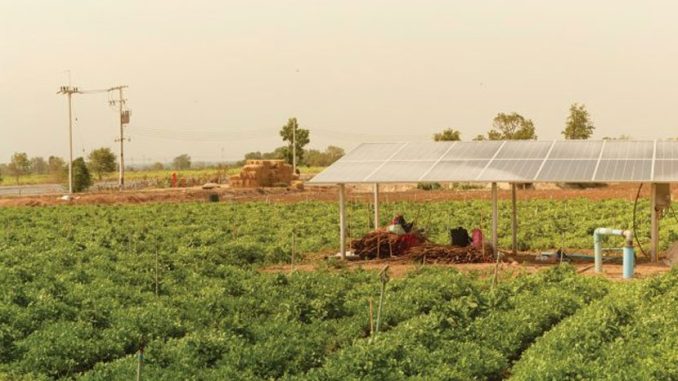
This study synthesizes the potential of Agrivoltaics (APV) in India, integrating solar energy and agriculture. The review indicates APV can be a net-positive intervention, enhancing land productivity (Land Equivalent Ratio often > 1.5) and farmer incomes, but benefits are highly condition-dependent. Net gains are maximized with (i) shade-tolerant crops (e.g., leafy greens, turmeric), (ii) moderate panel density (Ground Coverage Ratio -25-35%), (iii) supportive policies like revised feed-in tariffs (-Rs. 4/kWh), and (iv) in contexts where water conservation or heat stress mitigation adds agricultural value. For instance, APV on grape farms can increase economic value over 15-fold, while a 50 MWp system in Maharashtra shows a competitive levelized cost of Rs. 2.02/kWh. However, a high LER can mask crop losses offset by energy revenue, and unsuitable designs or tariffs may cause up to 20% losses for generators. Success requires tailored system design, crop selection, and policy refinements to the national PM-KUSUM scheme, underscoring APV's role in sustainable development while highlighting its context-sensitive nature.Read More
|
|
The Rise of Agrivoltaics: Combining Solar Power with Farming in India
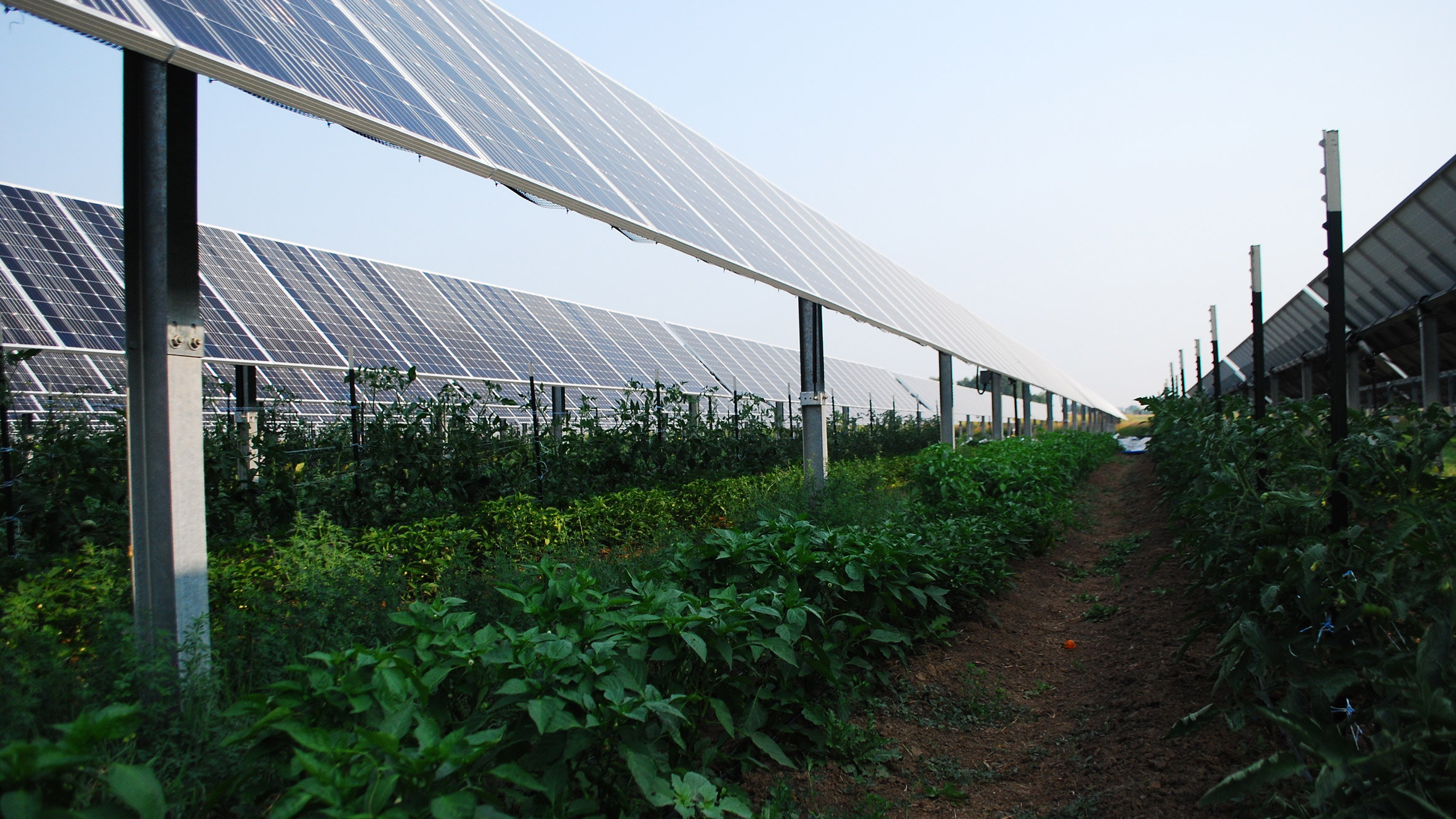
The agricultural sector in India generates an employment of 42.3% of the population and accounts for a contribution of around 18.2% of the gross domestic product (GDP), with an annual growth of 4.2% for the past five years. Having a vision of 500 gigawatts (GW) capacity for non-fossil fuel by 2030, India continues to advance as the third-largest producer of renewable energy globally. With over 120 million farmers in India, agriculture solar power can assist the country in reaching its green energy goals while enabling farmers to generate a second income. In addition, to possess enough energy, Agrivoltaics - an integration of solar power production with farming has been a highly innovative idea. This new model optimizes land use by maximizing productivity using crops grown under raised solar panels, solving some of the challenges facing the world in the form of declining fertile land, climate dangers and energy demands while raising incomes.Read More
|
|
Investor Conclave secures investment intents worth Rs. 67,000 crores
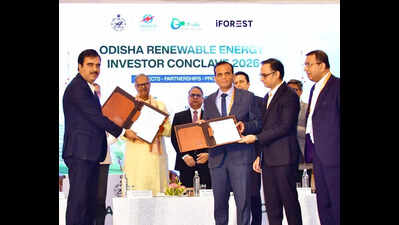
The Odisha Renewable Energy Investor Conclave 2026 on Thursday secured investment commitments worth Rs 67,000 crore for nearly 6.8GW of capacity, unveiling over 5,000MW of floating solar, 18,000MW of pumped storage and 500MWh of battery storage projects, along with opportunities in wind, distributed renewables, agrivoltaics, small hydro and waste-to-energy.Read More
|
|
Promising Pathway: PM-KUSUM 2.0 could give a bigger push to agrivoltaics
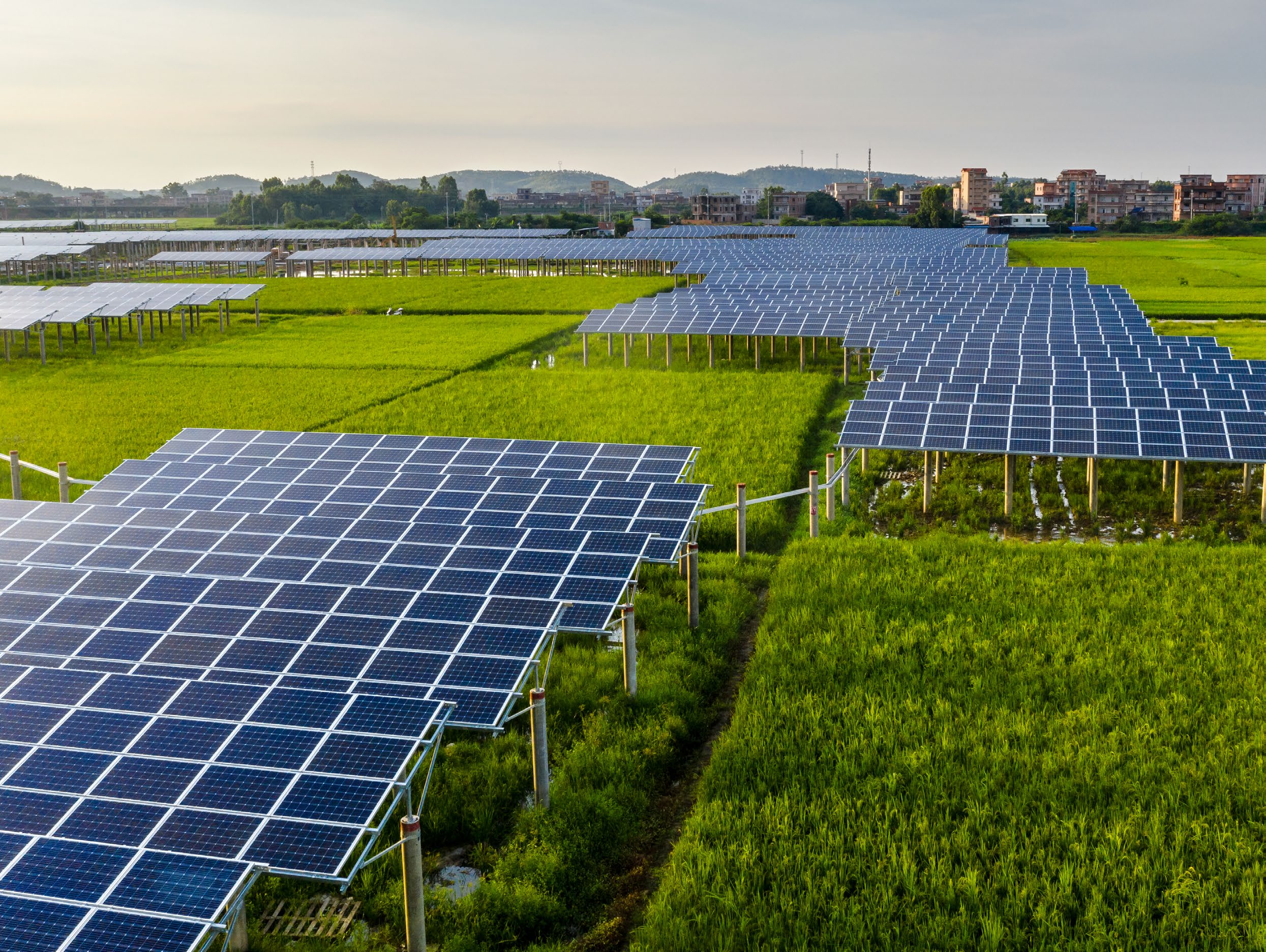
As India races toward 500 GW of non-fossil capacity by 2030, the central question is no longer whether renewable energy can scale but whether it can do so sustainably and inclusively. Land is now the decisive bottleneck, with large solar parks increasingly competing with farms for space, water and livelihoods. In this scenario, Agrivoltaics (Agri-PV) offers a way out, co-locating solar panels and crops so land produces both power and food. Agri-PV uses elevated solar structures that allow farming to continue underneath and between the panels. When properly designed, it can maintain or even enhance crop yields, generate clean electricity, moderate microclimates and diversify farmer income. Globally, countries such as Japan, Germany and France have demonstrated that Agri-PV can boost both land productivity and rural earnings. With abundant sunshine and 146 million small land parcels, India should be a natural leader.Read More
|
|
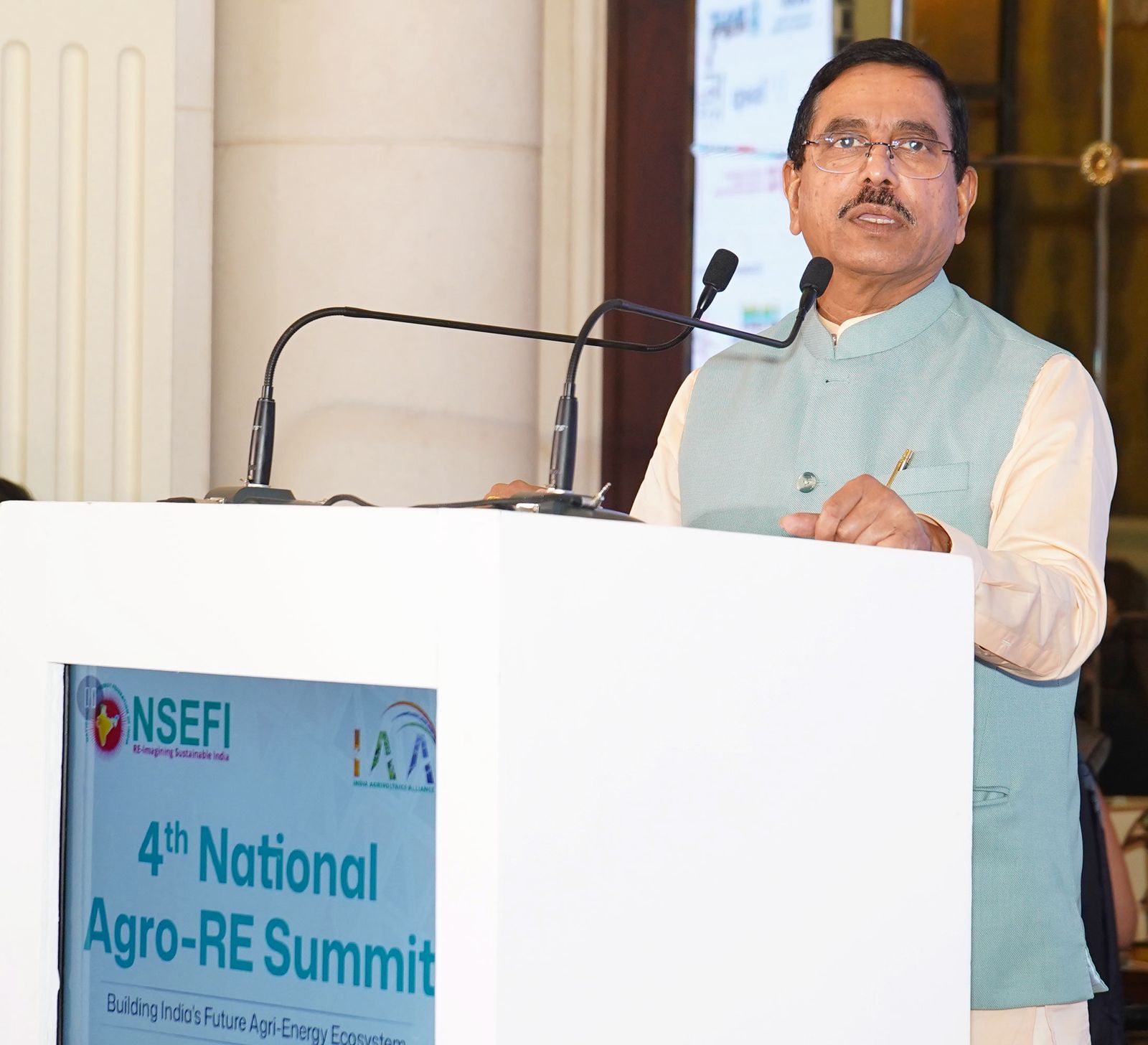
Agri-Renewable Energy Helping Farmers Access Reliable Power, Increase Productivity and Reduce Irrigation Costs: Union Minister Shri Pralhad Joshi
The Minister informed that the Government is preparing PM-KUSUM 2.0, which will include a dedicated 10 GW Agri-PV component to promote the co-location of solar panels with crops. This initiative will enable farmers to generate electricity while continuing agricultural activities on the same land, creating a new model for decentralised renewable energy generation in rural India.Read More
|

|
Agri-Renewable Energy Driving Rural Transformation, Reducing Irrigation Costs: Union Minister Joshi
Union Minister of New & Renewable Energy, Shri Pralhad Joshi, highlighted the growing role of renewable energy in strengthening India's rural economy and enhancing farmers' incomes at the 4th National Agro-RE Summit in New Delhi.Read More
|

|
PM-KUSUM 2.0 to Include 10 GW Agrivoltaics Component
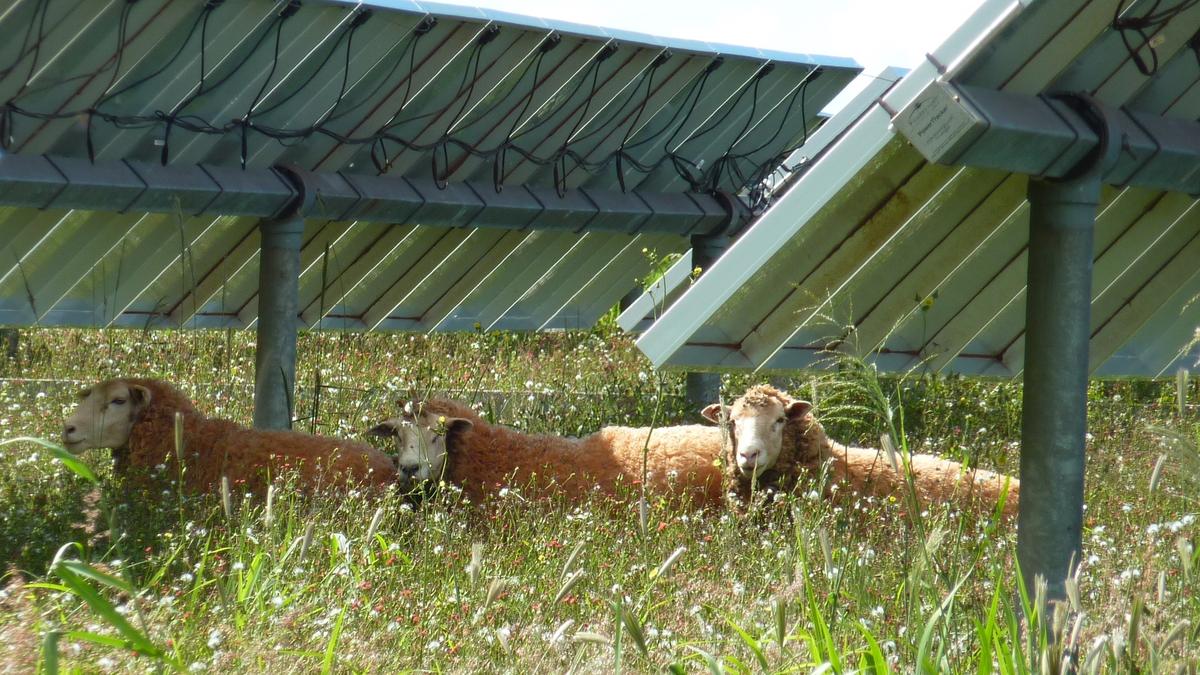
The Government of India is planning to launch PM-KUSUM 2.0 with a dedicated 10 GW agrivoltaics (Agri-PV) component, marking a significant step toward integrating renewable energy with agriculture. The initiative will enable farmers to generate solar power while continuing cultivation on the same land, promoting efficient land use and decentralised energy generation. Building on the success of the existing PM-KUSUM scheme, which has already solarised millions of irrigation pumps, the new phase aims to enhance farmer incomes, reduce irrigation costs, and strengthen rural energy access. With higher targets and an expanded scope, PM-KUSUM 2.0 positions agrivoltaics as a key driver of sustainable agriculture, clean energy transition, and rural economic transformation in India.Read More
|
|
How AgriPV can turn India's farms into dual-purpose powerhouses
India's ambitious energy transition goals to have 300 GW of installed solar capacity by 2030 and achieve net-zero emissions by 2070 put land at a premium. Utility-scale solar projects require large tracts of land while agriculture is already under pressure from competing land use. Agri-photovoltaics can ameliorate this conflictRead More
|

|
The Promise of FPO-led Agrivoltaics for India's Rural Economy
Farmer producer organisations (FPOs) have emerged as a critical pillar in India's efforts to empower small and marginal farmers through collective enterprise. Recognising their potential, the Government of India launched the central sector scheme 'Formation and Promotion of 10,000 Farmer Producer Organisations' in 2020 to institutionalise and strengthen farmer collectives nationwide. In early 2025, the scheme achieved this target, marking a significant milestone in scaling up organised farming enterprises across the country.Read More
|

|
India Solar PV News Snippets: MNRE Plans 10 GW Agrivoltaic Capacity In PM-KUSUM 2.0 & More
India plans to introduce a dedicated 10 GW component under the upcoming Pradhan Mantri Kisan Urja Suraksha evam Utthan Mahabhiyan (PM-KUSUM) scheme 2.0 to promote the co-location of solar panels with crops. It aims to create a new model for decentralized renewable energy generation in India, announced the Ministry of New and Renewable Energy (MNRE). It will enable farmers to generate electricity while continuing agricultural production on the same land. The Union Minister of New and Renewable Energy (MNRE) Pralhad Joshi said the country's agrivoltaic potential is estimated at 3,000 GW to nearly 14,000 GW, which can significantly enhance farmers' earnings. The move is part of efforts to expand decentralized renewable energy in rural areas and support India's target of 500 GW of non-fossil fuel capacity by 2030. Read More
|

|
TERI Showcases Research and Tools to Accelerate Agrivoltaics Deployment in India
The Energy and Resources Institute (TERI) has unveiled new research reports and practical tools to accelerate the deployment of agrivoltaics (AgriPV) in India during a thematic session at the World Sustainable Development Summit 2026. Agrivoltaics, which integrates solar photovoltaic systems with agricultural land, is emerging as a key solution to address land-use challenges, expand clean energy capacity, and support rural livelihoods. TERI's work focuses on combining field research, policy analysis, and stakeholder engagement to enable scalable and responsible implementation of AgriPV systems.Read More
|

|
Kusunpur to Become Odisha's First Smart Village
Kusunpur is being transformed into Odisha's first smart village under CSIR's initiative, integrating digital infrastructure, sustainable agriculture, and advanced public services to create a model for rural development in India.Read More
|

|
Agrivoltaics: Solar as a Third Crop
India's need for agrivoltaics has never been more pressing. The country faces a combination of challenges: a large and growing population that demands more food, an agricultural sector that is vulnerable to climate change, and an increasing need for renewable energy sources. While India is the third-largest producer of solar power globally, much of this energy generation has been focused on large-scale solar farms located on barren or unused land. Agrivoltaics offers an innovative way to merge agriculture with solar power generation. The Indian government has recognized the potential of agrivoltaics as a sustainable solution to improve agricultural and energy outcomes. Early experiments and pilot projects in various states have demonstrated promising results, showing how the combination of solar power and agriculture can significantly improve the economics of rural communities. Agrivoltaics can also help mitigate the adverse effects of climate change by promoting water efficiency and reducing dependence on fossil fuels. In this context, the first article outlines a brief history of agrivoltaics and examines how APV has evolved from an experiment in the 80s to an innovation for sustainable agricultural land use and energy generation. It also highlights the key points in policy support and designed financial mechanisms for boosting APV projects and what kind of insights it offers for India.Read More
|
|
|
Global
|
|
Major News Highlights
|
Agrivoltaics in the Netherlands: A Practical Guide for Farmers
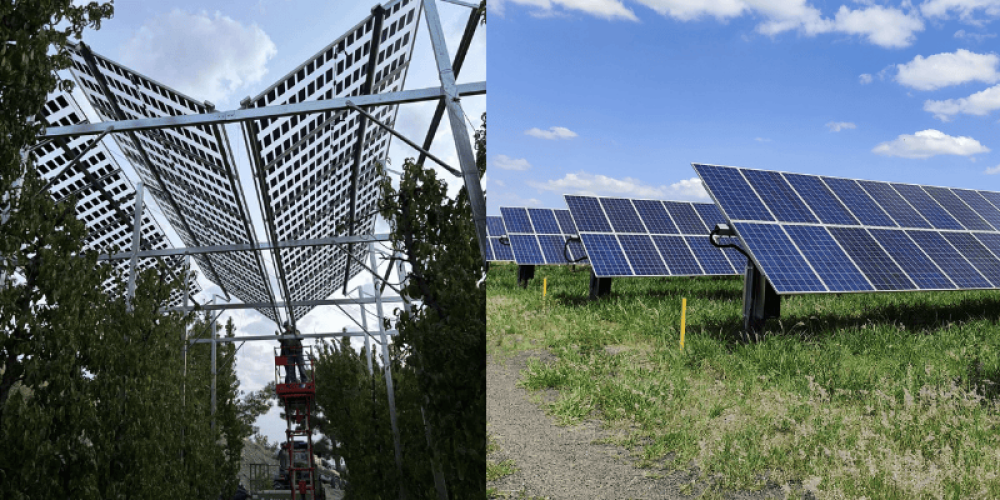
Dutch agriculture has always been built on balance. Balance between land and water. Between productivity and precision. Between innovation and practicality. Today, that balance is being tested again. Energy costs are volatile, climate patterns are less predictable, and land availability remains limited. Agrivoltaics has entered this discussion not as a trend, but as a practical response to these realities. This article is for Dutch farmers, growers, and greenhouse operators. It explains what agrivoltaics is, how it works in the Netherlands, and when it is useful. No exaggeration. No promises that ignore agronomy. Just a clear explanation grounded in real conditions and real projects.Read More
|
|
Assessing the Impact of Agrivoltaics on Water, Energy, and Carbon Cycles Using the Community Land Model Version 5
Agrivoltaics is a way to use the same land for both growing crops and utilizing solar energy. It is an idea that could help solve the problem of choosing between land for food or energy, but we do not fully understand how it affects water, energy, and carbon in the environment. We built a computer-based model to explore how agrivoltaics impacts water use, energy flow, and carbon storage. We tested the model with real data from solar farm sites in Illinois and Colorado, focusing on crops like maize, soybean, and grass. Our results show agrivoltaics' effects vary by climate and plant type. In dry Colorado, shade from solar panels saves soil water and boosts grass growth, increasing carbon storage. In wetter Illinois, reduced sunlight lowers maize and soybean growth, decreasing carbon storage. Agrivoltaics can help dry regions by easing drought stress on plants while generating clean energy. Our findings show that having solar panels cover 60% of the land, where both panels and crops share the space, works best for getting the most out of the land at study sites. This study helps farmers and policymakers make smart choices to use land sustainably, balancing food and energy needs as the climate shifts.Read More
|

|
Agrivoltaics: Growing Food, Growing Power, and Growing Possibility in the Southeast
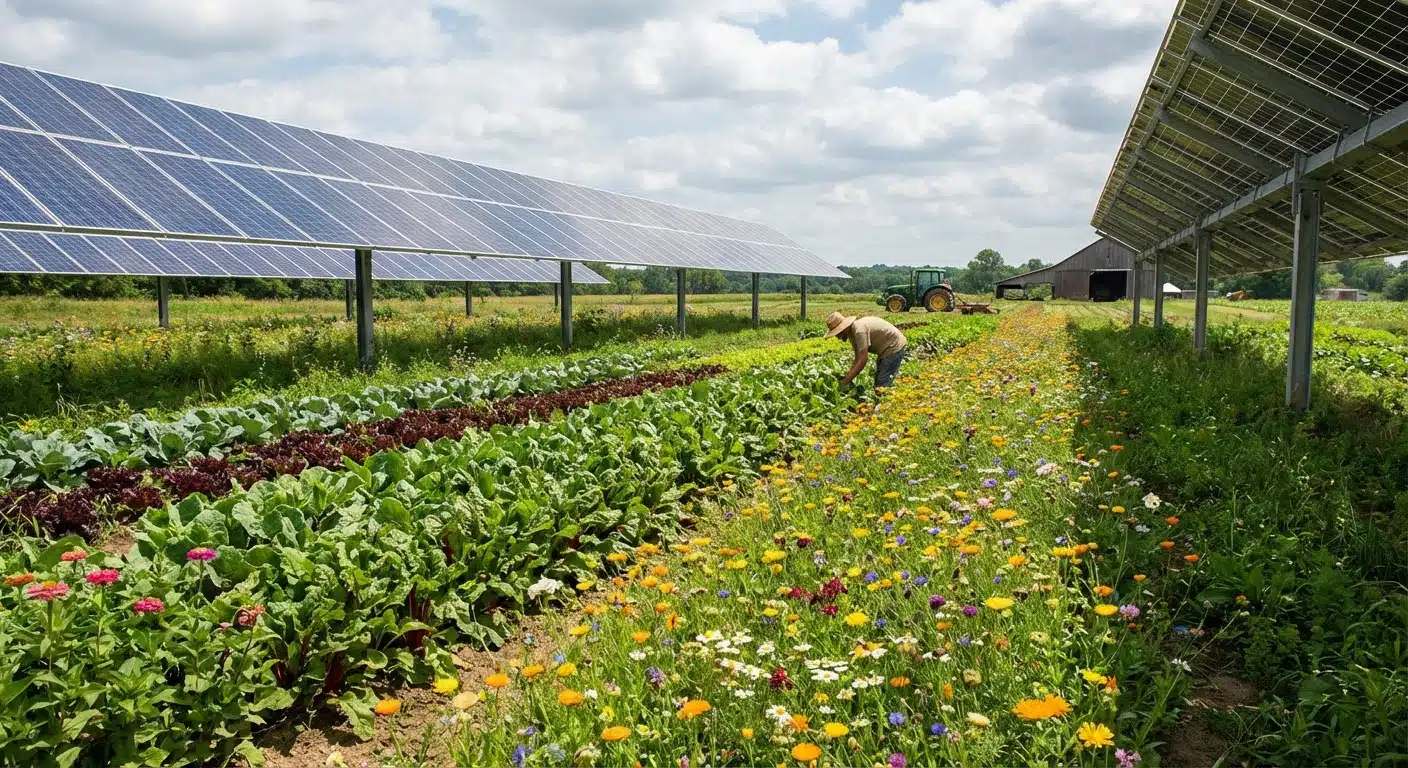
Agrivoltaics is the practice of combining agriculture and solar energy production on the same land. The U.S. Department of Energy defines agrivoltaics as the "co-location of agricultural activities and solar energy production," including crops, grazing, and pollinator habitat beneath or between panels. It is not the replacement of farmland with solar. It does not involve scraping away all the topsoil, shutting down a family operation, or fencing off fields so a corporation can extract all of the land's value and walk away. When designed properly, agrivoltaics keeps land in active agricultural use while adding energy production as a complementary layer rather than a competing one.Read More
|
|
A Quick Guide to Agrivoltaics Monitoring & Research Design
A Quick Guide to Agrivoltaics Monitoring & Research Design, developed in partnership with The Nature Conservancy, provides producers, researchers, and land managers with the core principles for reliably tracking agricultural and ecological outcomes in agrivoltaic systems. This resource outlines why consistent, comparable data collection matters, which variables should be monitored across soil, crops and vegetation, water, wildlife, and livestock, and how to design sampling that accurately reflects the unique microclimates created by solar arrays.Read More
|

|
Researchers propose new taxonomy for agrivoltaics
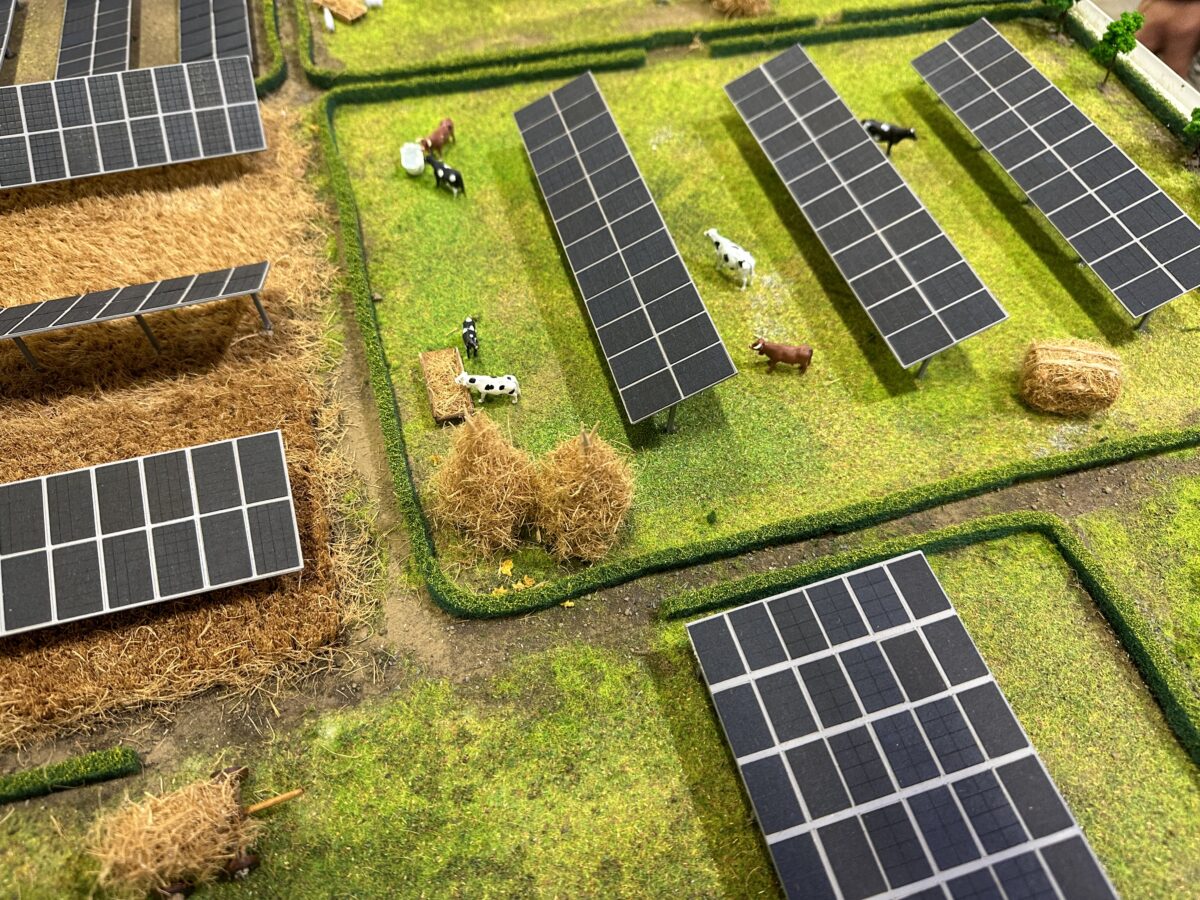
A Malaysian research team proposed new concepts such as cowvoltaics, sheepvoltaics, goatvoltaics, veggievoltaics, fruitvoltaics and fishvoltaics to better define the diverse applications of photovoltaics in dual land use. Their review outlines four main categories - livestockvoltaics, crop-based agrivoltaics, aquavoltaics, and zoovoltaics - and presents several business casesRead More
|
|
TSE Energy to build 500MW agrivoltaics portfolio on co-op French farmland
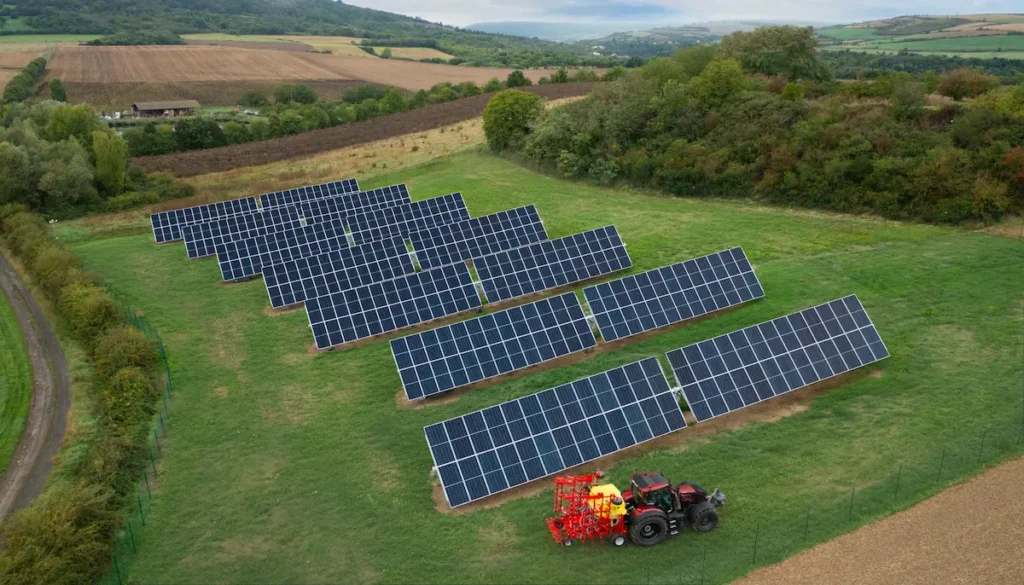
French renewables developer TSE Energy will build a 500MW portfolio of agrivoltaics projects on cooperatively-owned French farmland. The developer will build the projects over the next decade in a partnership with the Ocealia Cooperative Group, an agricultural cooperative with territory across southwestern France.Read More
|
|
Agrivoltaics in Greenhouses Turning Sunlight into Energy and Crops
The EU is rapidly increasing its renewable energy targets, with solar power playing a central role in achieving these goals. The EU-funded REGACE Project shows that installing photovoltaic panels on existing greenhouse structures could provide around 23 percent of the solar capacity needed across Europe with sufficient investment. This approach also reduces carbon emissions and decreases upfront investment costs compared with traditional ground-mounted solar systems.Read More
|

|
Agrivoltaics as a systems innovation: multi-dimensional benefits from global studies across climate, agriculture, energy, and ecosystems
Agrivoltaics offers a promising alternative to land competition between crops and solar farms. Most agrivoltaic research and policy discourse, however, has focused on energy yield and food output, overlooking the broader spectrum of ecological, economic, and social benefits, that has made it challenging to fully assess agrivoltaics' potential as a comprehensive systems-level solution. This study addresses this gap by synthesizing findings from prior studies and categorizing their insights into six distinct but interconnected spheres of agrivoltaic impact: Sustainability Sphere (Water-Climate-Ecosystem), Soil-Crop Sphere (Agricultural Yield and Food Security), Socioeconomic Sphere (Economic and Financial Resilience), Solar Power Sphere (Energy and Power Generation), Spatial Efficiency Sphere (Land Productivity & Land Use Synergies), and Species Sphere (Human and Animal Welfare). Read More
|

|
UMD Research Shines Light on Agrivoltaics In Maryland
A new study from the University of Maryland provides the first clear picture of attitudes and barriers to agrivoltaics- the dual use of land for farming and solar energy in Montgomery County, Maryland. The results reveal how local environmental, political, and social factors influence acceptance and adoption of solar energy in the region's agricultural sector. The study, which was published in the journal Energy Policy on January 13, 2026, is significant because it provides evidence for regionally influenced social differences and creates a benchmark for future research to improve solar adoption in other locales across the country. "At this time, there are very few local or regional agrivoltaics social science studies for U.S. decisionmakers to draw from," said Mitchell Pavao-Zuckerman, an associate professor in the Department of Environmental Science and Technology at UMD and co-author of the study. "Most studies focus broadly on the U.S. as a whole, but our study describes the knowledge, attitudes, and practices that shape agrivoltaics in the Mid-Atlantic, and establishes how agrivoltaics is interpreted in the region."Read More
|

|
Agrivoltaics research shows climate shapes success
With increasing food demand and land-use competition between agriculture and energy production, agrivoltaic systems are emerging as a solution. In New Zealand, these installations are attracting interest, driven by growing awareness of solar energy and demand for greener power-generation options. To understand global patterns in agrivoltaic systems specialising in horticultural crops, researchers analysed installations worldwide.Read More
|

|
Agrivoltaics: Rethinking Resilience From the Ground Up
Agrivoltaics integrates solar energy with active farming, offering rural communities a path to stable income, healthier soil, and clean energy - without sacrificing the land or identity that defines them.Read More
|
|
How to combine mechanized farming with agrivoltaics
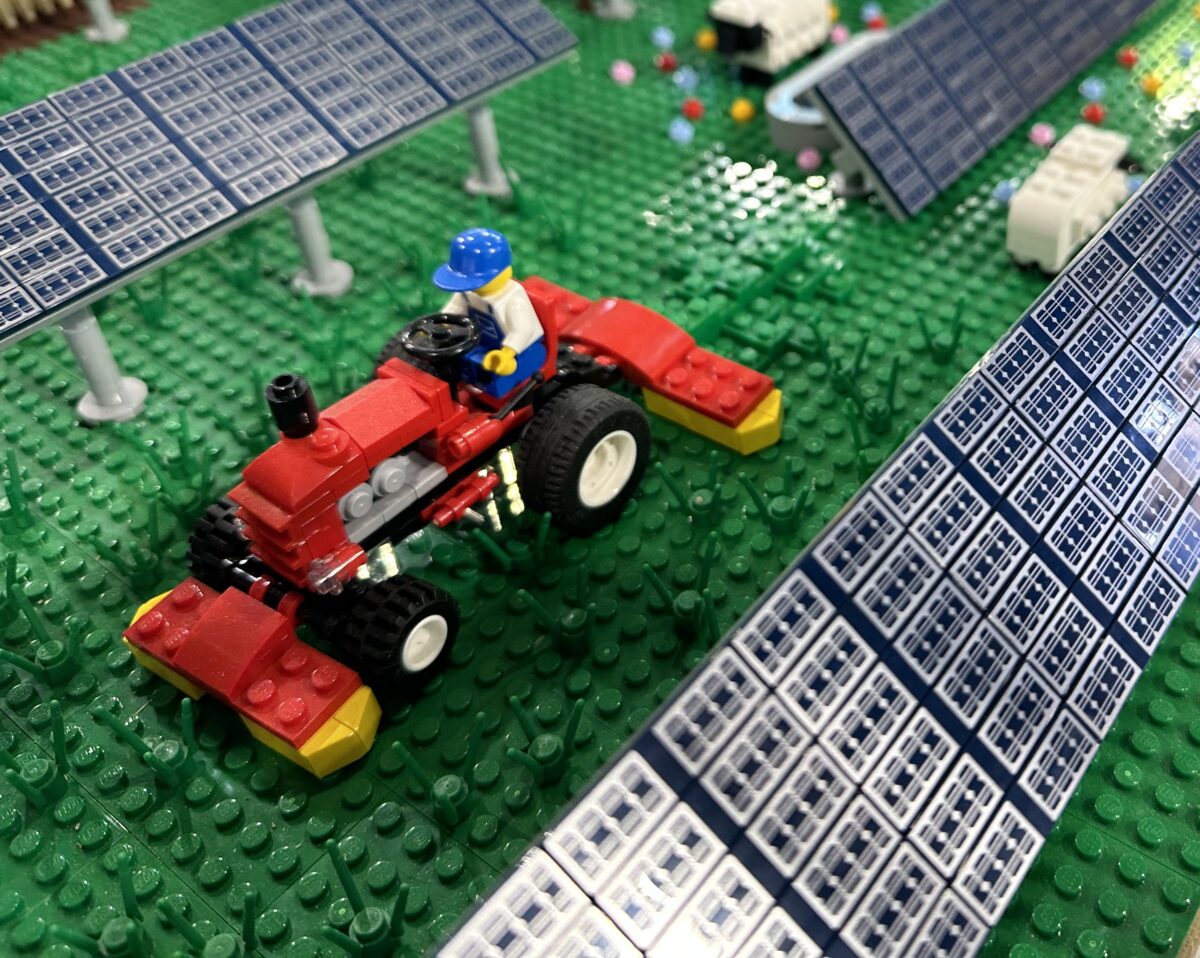
An international study finds that successful agrivoltaic projects require farm-specific, holistic co-design that integrates PV layout with agricultural mechanization from the earliest planning stages. Without proper alignment between machinery, crops, and PV systems, agrivoltaics risk major land loss, lower field efficiency, and higher operating costs, undermining farm profitability.Read More
|
|
Agrivoltaics Revisited: Critical Insights into Shading-Induced Microclimate Change, Yield and Quality, Biodiversity Shifts and Socio-Economic Limitations
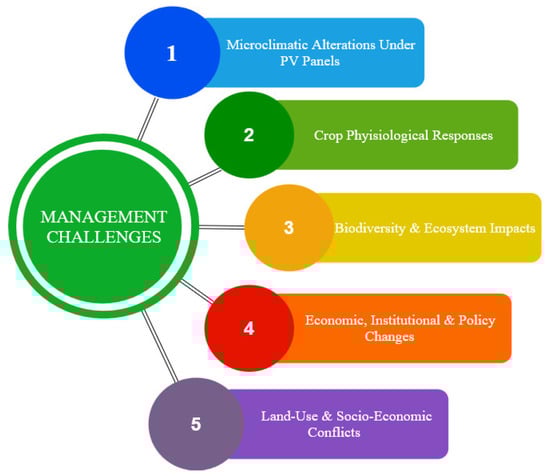
Agrivoltaics (AVs), the co-location of photovoltaic panels and agricultural production, is increasingly promoted as a strategy to enhance land-use efficiency and support renewable energy transitions. While numerous studies emphasize potential synergies, growing evidence indicates that AV systems also entail significant biophysical, ecological and socio-economic trade-offs. This review synthesizes published literature on the negative impacts and management challenges associated with agrivoltaics across diverse crops, climates and institutional contexts. A structured literature analysis was conducted, integrating findings from experimental field studies, ecological assessments, economic evaluations and policy analyses. The reviewed evidence demonstrates that panel-induced shading and altered microclimatic conditions frequently reduce photosynthetically active radiation, modify soil temperature and moisture regimes, and impair photosynthetic efficiency, yield stability, and quality in light-demanding crops. Open-field AV installations further alter understory vegetation, pollinator activity and soil arthropod communities, leading to functional biodiversity losses beneath panel-covered areas. Economic and institutional analyses reveal high investment costs, regulatory ambiguity and land-tenure constraints that disproportionately transfer agronomic and financial risks to farmers, while land-use conflicts may reduce food production and contribute to indirect land-use change. Overall, open-field AV outcomes are strongly context- and design-dependent. The review highlights the need for long-term, integrative assessments and governance frameworks that explicitly address trade-offs to ensure that AVs contribute to sustainable land-use transitions rather than undermining agricultural and ecological functions.Read More
|
|
Harvesting the Sun Twice: How Researchers in Freiburg Are Advancing Agrivoltaics
When physicist Adolf?Goetzberger published his paper "Kartoffeln unter dem Kollektor" (Potatoes under the Collector) at Fraunhofer ISE in the early 1980s, the idea was still visionary: to arrange solar collectors over agricultural yields so that farming could continue underneath. This work, conducted in Freiburg, laid the foundations for today's research on agrivoltaics (AV). Since October?2025 the "FRIAS Project Group Agrivoltaics" has been building on that tradition. At the Freiburg Institute for Advanced Studies (FRIAS), researchers from different disciplines are working to understand scientifically how the joint use of the same land for farming and solar power can be realised and further developed.Read More
|

|
New solar tracking strategies aim to maximize crop yield in agrivoltaics
Swedish researchers developed two novel single-axis solar tracking strategies that dynamically adjust panel tilt based on crop light requirements, balancing photosynthesis and energy production. One strategy prioritizes daily light integral targets before shifting to energy capture, while the other uses the light-response curve to optimize photosynthesis, offering improved dual-use efficiency compared with conventional tracking methods.Read More
|
|
In Conversation with Dr. Ambe Emmanuel Cheo about Building Community-Led Agri-Energy Solutions in The Gambia
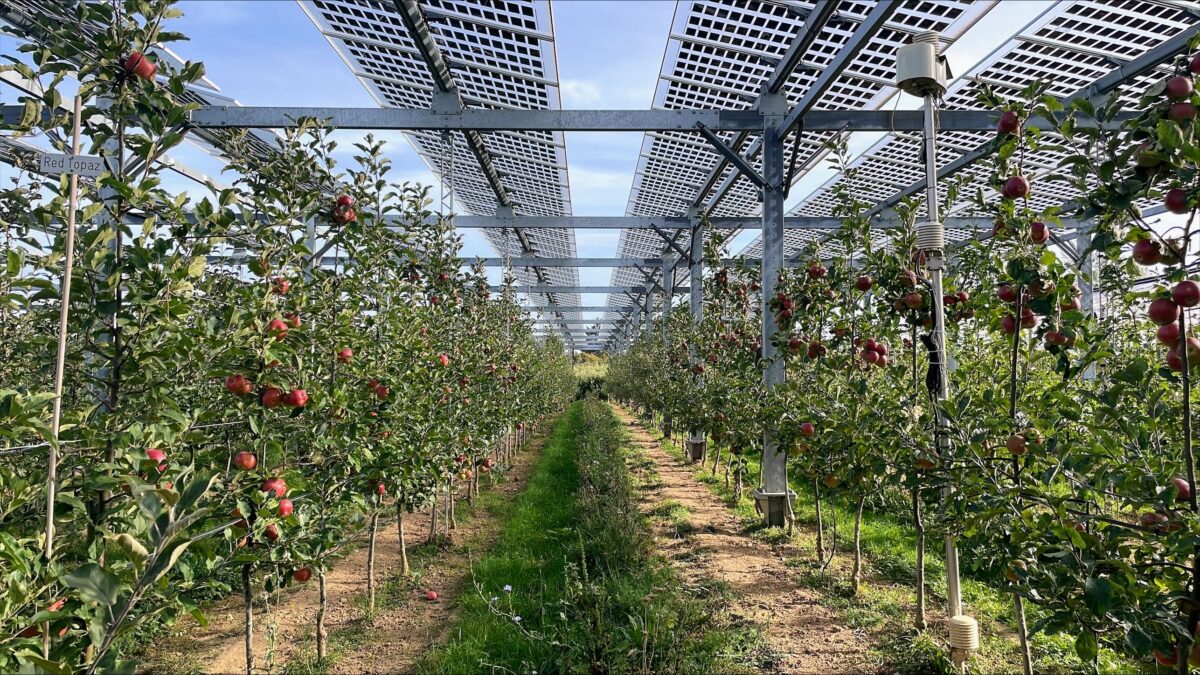
In hot and dry regions in West Africa, farmers are facing growing pressure from climate change, water scarcity, land conflict and rising energy needs. The Agrophotovoltaics in Mali and the Gambia (APV-MaGa) project explores a simple but promising idea to address such pressures through using the same land to grow food, produce clean energy, harvest rainwater and manage water more efficiently. By installing solar panels above crops, the project creates shade that helps protect plants from extreme heat and weather, while also generating electricity and collecting rainwater. Smart monitoring tools support better irrigation decisions, helping farmers use water more carefully and sustainably.
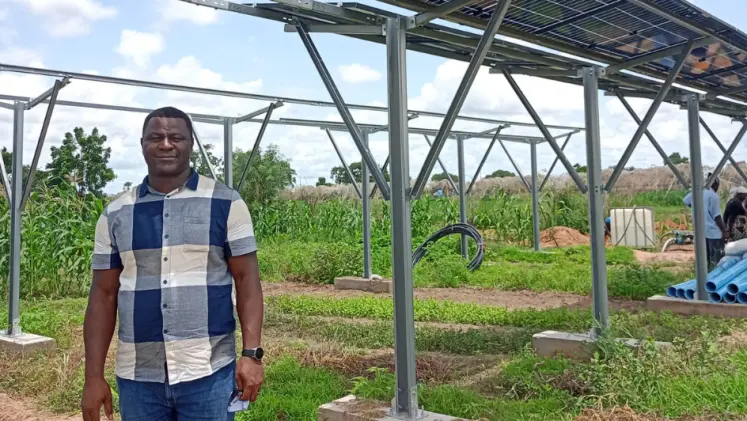
One of the people closely involved in this work is Dr. Ambe Emmanuel Cheo, Head of UNU-VIE's Pan-African Cooperation and Educational Technologies division, who recently travelled to The Gambia to visit the project sites where the initiative is currently being tested through three different pilot models: one hosted by a private actor, one embedded in a community setting and one based at a university. Read More
|
|
Rooftop Agrivoltaics: Is It Here Yet?
There is nothing really new concerning the individual components of rooftop agrivoltaics (RAV). The first solar electric panel was placed on a New York City rooftop in 1884 by Charles Fritts. Fritz was the American inventor who created the world's first practical solar cell the previous year. He did so by coating selenium wafers with a thin layer of gold. Efficiencies were just 1 to 2%, but, hey, you have to start somewhere. The first rooftop commercial solar water heaters appeared in places like California and Florida during the last decade of the 19th century. Active roof-mounted solar space heating equipment arrived in the 1930s and 40s.Read More
|

|
The impact of agrivoltaics on soil properties
New research shows how agrivoltaic systems can reshape soil by altering moisture, temperature, and microbial activity, creating heterogeneous zones under and between panels. Proper design and management can boost soil health and crop resilience, especially in degraded or arid regions, though long-term effects remain uncertain.Read More
|

|
Drone-based cleaning agent released for agrivoltaic systems
Portuguese PV cleaning specialist Chemitek Solar has launched a new solution for drone-based cleaning of agrivoltaic (agriPV) systems. The company said its Drone AgroPV Cleaning Agent had been designed to address the specific operational challenges of agrivoltaic systems, including organic soiling, agricultural residues, fine dust, limited accessibility and coexistence with crops.
Chemitek Solar said the unique conditions at agriPV sites made conventional cleaning methods impractical and required solutions that enable effective cleaning while preserving agricultural activities. The company said the cleaning agent was effective in removing organic soiling and agricultural residues from PV modules and was fully compatible with drone-based spraying systems.Read More
|
|
Israel Approves First National Land-Use Plan For Agrivoltaic Projects
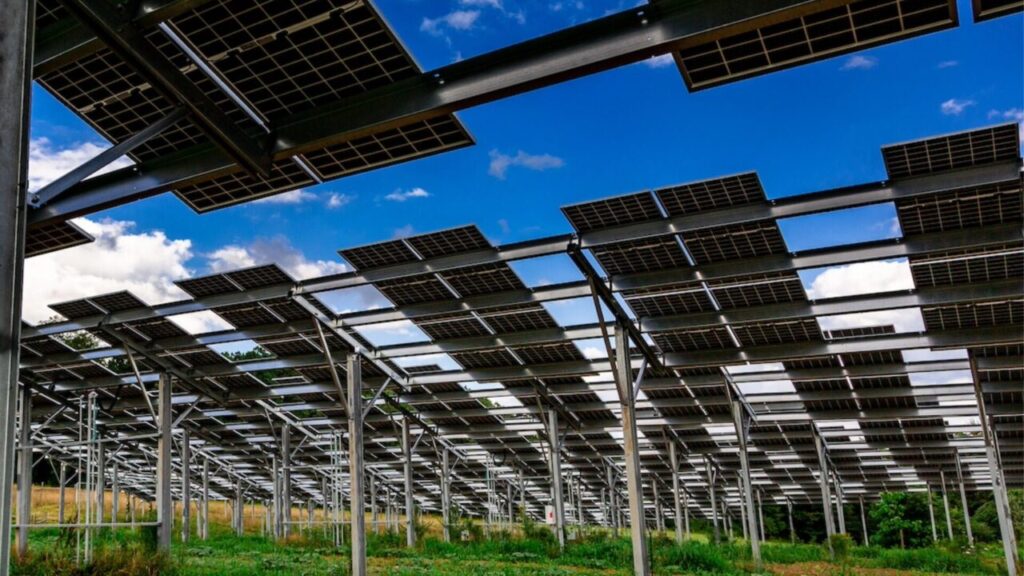
The Government of Israel has approved the country's first national land-use plan dedicated to agrivoltaic installations, marking a significant step in its renewable energy policy. The decision follows earlier approval by the National Council for Land Use Planning and Construction about a month ago. However, the full document has not yet been made public, and several professionals in the renewable energy sector say they have not been able to review its details. Agrivoltaic projects combine farming and solar power generation on the same land. The newly adopted plan allows different types of pilot projects and is expected to create a clearer regulatory pathway. Industry participants believe this framework could encourage local authorities to grant more permits for such projects.Read More
|

|
Agrivoltaics- a triple win
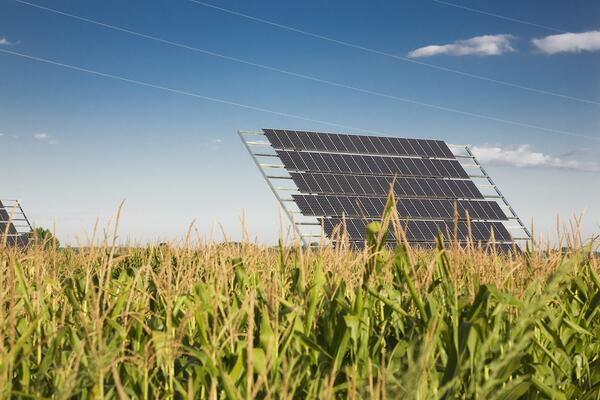
More energy. More food. More water. Agrivoltaics are a pathway towards energy, water and food sustainability. It's one of the few technologies where, by producing energy, you also reduce water use and increase food production, creating sustainability in all three directions. Professor Chad Higgins of Oregon State University is one of the most optimistic scientists you'll meet. His team studied 20 million possible futures for earth, based on energy, water and food production. Only a handful of those scenarios lead to a sustainable future. Agrivoltaics is one of them. According to Higgins, "The key is adopting sensible ways to do sustainable renewable energy production at scale. We have everything we need. We can save ourselves. And make money doing it. In the US, it will cost 1.2 trillion and pay that back in nine years." That estimate is based on a 2020 article in Sustainability which Higgins co-authored.Read More
|
|
Survey finds 85.8% of Canadians support agrivoltaics
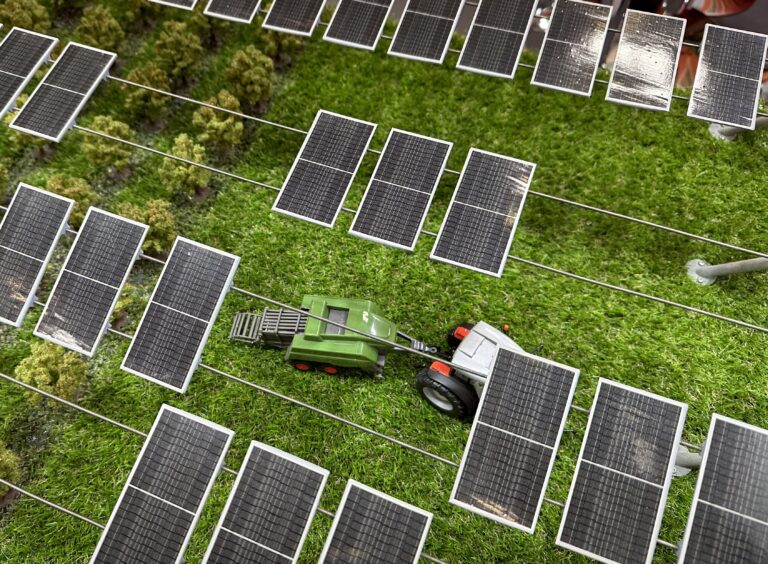
Canadian researchers conducted the first nationwide survey on public attitudes toward agrivoltaics, finding strong support across provinces with 85.8% of respondents in favor, although preferences varied by configuration. Opposition mainly stemmed from resistance to change, aesthetic concerns, and lack of awareness, highlighting the need for public education and updated policy frameworks to enable wider adoption.Read More
|
|
Agrivoltaics for regenerative agriculture
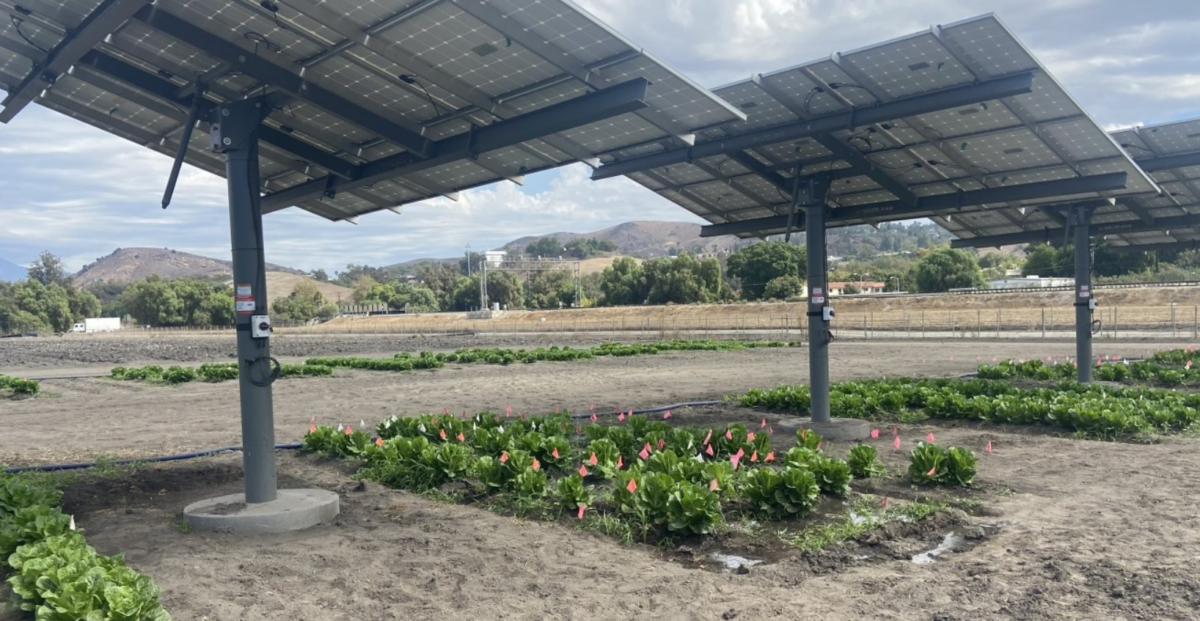
U.S. researchers are testing regenerative agrivoltaics at a farm in Southern California, combining solar panels with soil-restoring practices like composting, cover cropping, and no-till farming to enhance crop yields, soil health, and water-use efficiency. The pilot evaluates technical, ecological, and economic viability while exploring how this land-sharing approach can optimize food and energy production, reduce irrigation needs, and inform larger-scale deployment and policy frameworksRead More
|
|
Farming in the solar future
Agrivoltaics is a promising, emerging and rapidly evolving area of energy development that integrates agricultural production into solar arrays to keep land in farming. A webinar series sponsored by Michigan State University Extension will provide research-backed insights and real-world lessons on crop yields, livestock performance and best practices for farming within solar arrays. The following is a brief description of each webinar plus registration information.Read More
|

|
Israel Sets Agrivoltaics Standards; Supports Enlight's 300 MW Near Gaza
The Israeli government has approved a national plan for agrivoltaics that provides a framework for the development of such projects combining solar power generation with agricultural activities, sans subsidies. It lays down a set of comprehensive rules, design standards, and licensing standards for large-scale agrivoltaic projects to be deployed across the country while preserving the landscape and rural land. This will provide regulatory certainty to investors and the industry, the administration stressed. The projects are also expected to support climate resilience by shading crops, reducing water use, and helping them cope better with changing weather conditions. Read More
|

|
Agrivoltaics Market Trends Show Rising Adoption of Solar Farming Systems
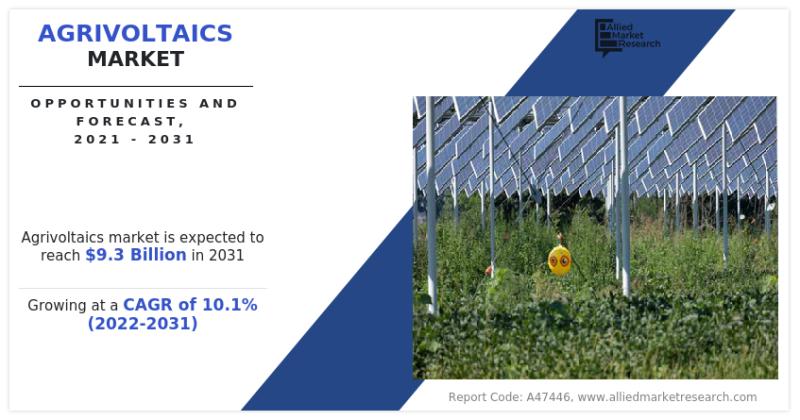
According to a new report published by Allied Market Research, the agrivoltaics market size was valued at $3.6 billion in 2021 and is projected to reach $9.3 billion by 2031, growing at a CAGR of 10.1% from 2022 to 2031. The rapid expansion of renewable energy, land scarcity, and the need for sustainable agricultural practices are key factors fueling the growth of the global agrivoltaics market.Read More
|
|
The impact of land slope on agrivoltaics feasibility
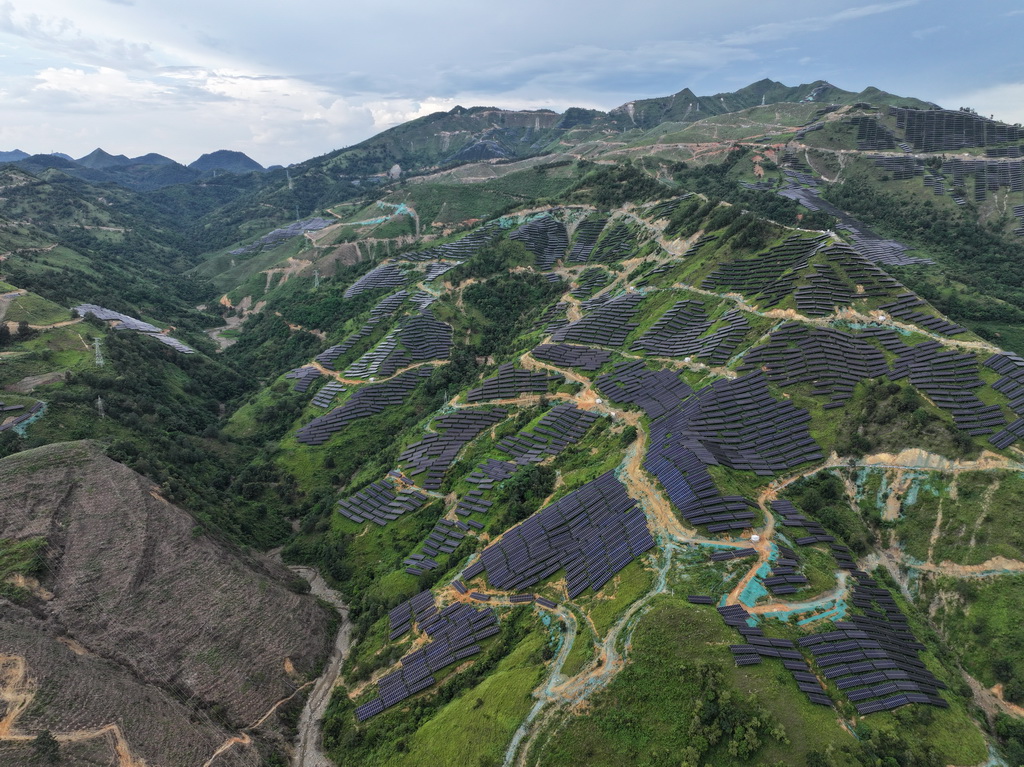
Brazilian scientists have developed a slope-based framework for agrivoltaics, finding that sites below 15% gradient offer the best balance between agricultural suitability and technical feasibility. Their review of 30 studies shows that steeper terrain can host PV systems with adapted designs, land-use limits, erosion risks, and rising installation costs.Read More
|
|
The case for ground-level agrivoltaics
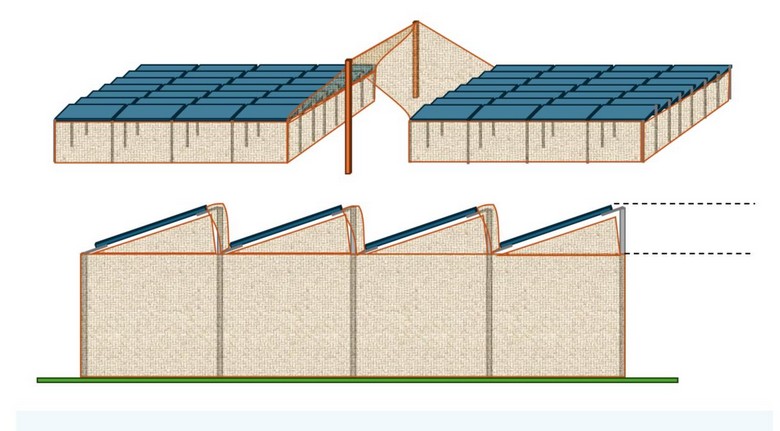
German engineering firm BEC Energie Consult has developed a substructure for low-mounted agrivoltaics designed to provide cost-efficient installation while supporting crop growth and livestock management, with the potential to enhance economic viability.Read More
|
|
Solar Panels Transforming Agriculture, Agrivoltaics Technology & Clean Energy
DataM Intelligence has released a new research report titled 'Agrivoltaics Market Size 2026' The report delivers in-depth insights into key market dynamics, including regional growth trends, market segmentation, CAGR projections, and the revenue performance of leading industry players. It also highlights major growth drivers shaping the market landscape. Designed to provide a clear and comprehensive perspective, the report offers a detailed view of the current market size in terms of both value and volume, along with emerging opportunities and the overall development outlook of the global Agrivoltaics marketRead More
|

|
How agrivoltaics can accelerate Europe's energy transition
Across Europe, the race to decarbonise energy systems often collides with land-use concerns and slow permitting processes. Agrivoltaics offers a promising solution: combining solar energy generation with agricultural production on the same land. Drawing from my experience accelerating renewable energy permitting in the Czech Republic, how agrivoltaics can support Europe's clean energy transition while strengthening rural economies and energy security.Read More
|
|
The Multi-Benefits of Solar PV Plants to Their Surrounding Environment
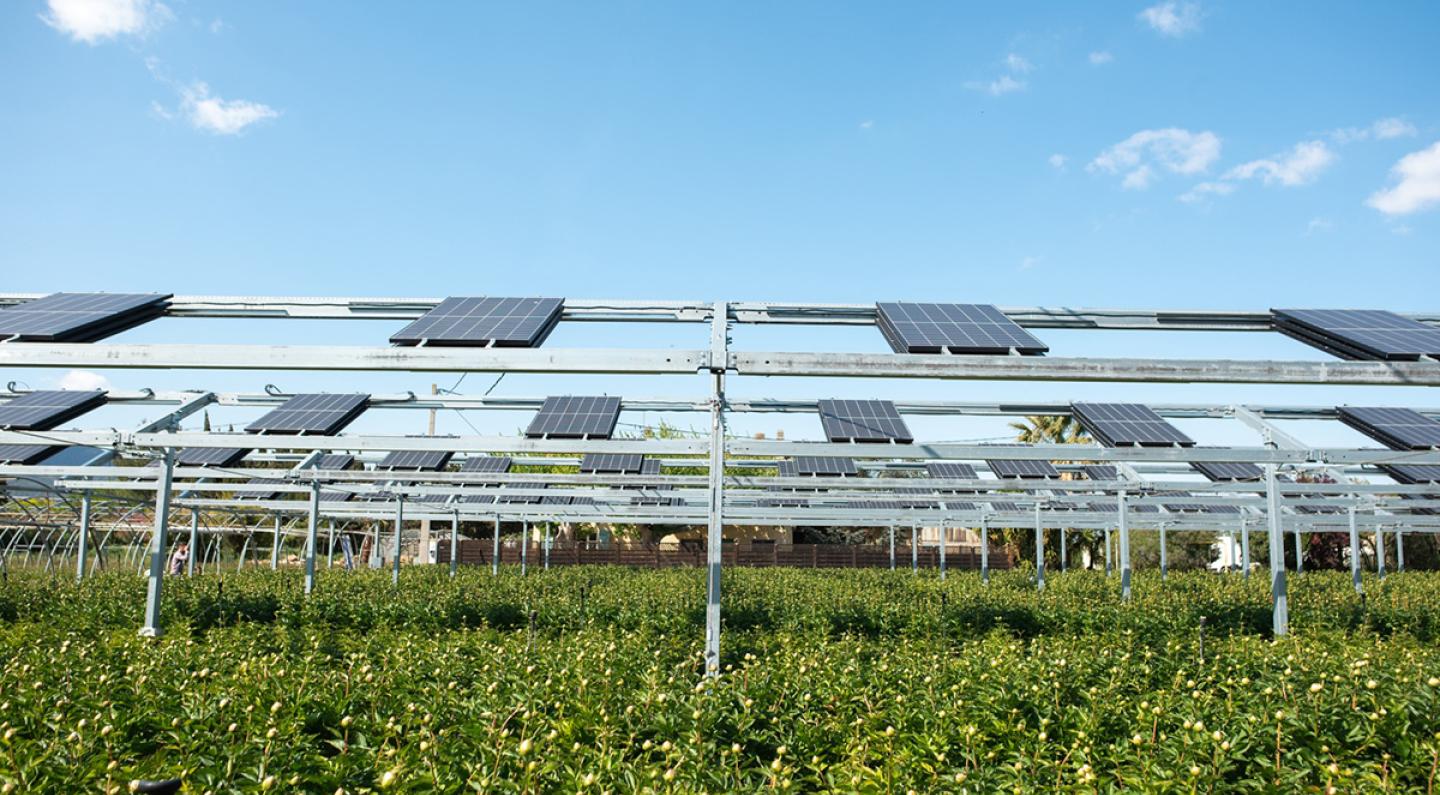
The IRENA report mentioned above finds that harvesting the co-benefits of solar PV plants and agricultural-, economic- or conservation-related activities requires the adoption of necessary measures, apart from careful assessment of potential negative impacts on the environment and biodiversity. Policies and measures need to address existing barriers while enabling the expansion of sustainable practices that minimise negative impacts and promote co-benefits between renewables generation and environmental conservation. These policies include integrated long-term planning and targets, financial and fiscal incentives, industrial guidelines and standards, and dedicated capacity-building and training programmes. At the same time, multi stakeholders from different sectors must be engaged to ensure these policies are adaptive, inclusive and effective. Stakeholders engagement must start from the early planning stage of solar PV projects and continue throughout the operation and decommissioning processes.Read More
|

|
Agrivoltaics with trackers, vertical systems offer economic upside
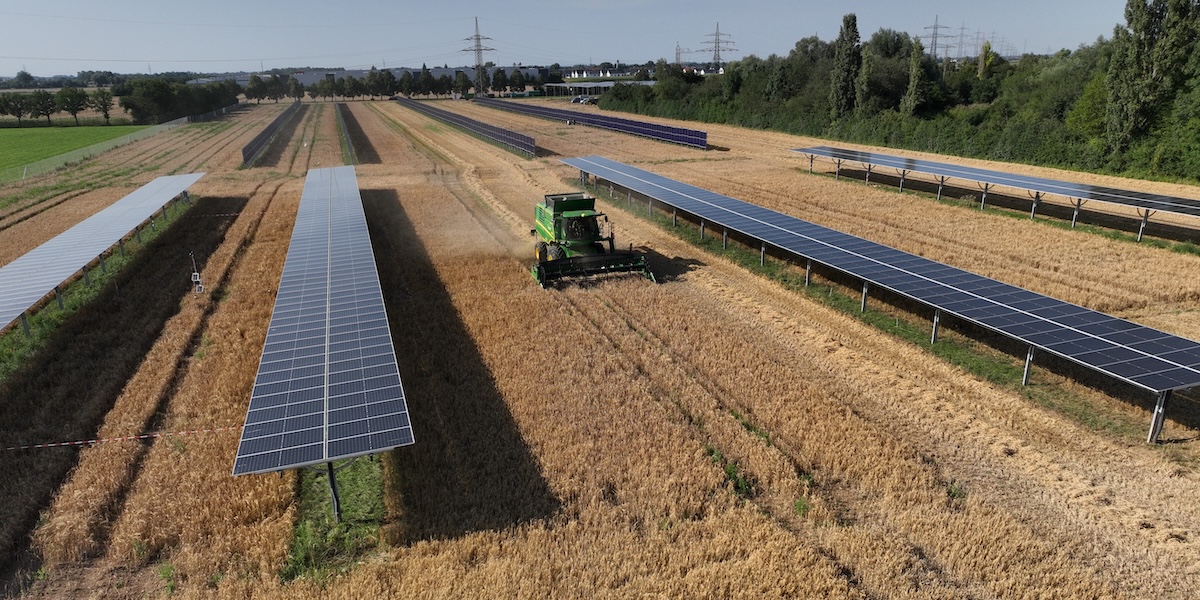
An industry analysis argues that agrivoltaic systems using trackers or vertical designs can outperform conventional solar on both revenues and land use, challenging conclusions from a recent German study.Read More
|
|
Agrivoltaics: accelerating Europe's decarbonisation while protecting land, food production and energy security
Across Europe, the race to decarbonise energy systems often collides with land-use concerns and slow permitting processes. Agrivoltaics offers a promising solution: combining solar energy generation with agricultural production on the same land. Drawing from my experience accelerating renewable energy permitting in the Czech Republic, I explore how agrivoltaics can support Europe's clean energy transition while strengthening rural economies and energy security.Read More
|

|
Spanish researchers demonstrate agrivoltaic systems can cut irrigation water use by 50% in tomato production
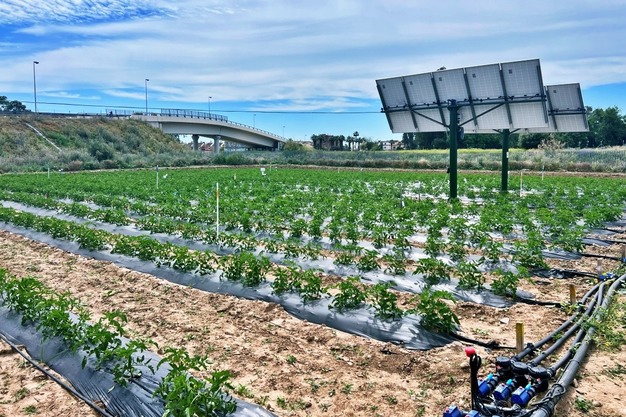
Researchers from the University of Seville and the Polytechnic University of Madrid have shown that it is possible to grow tomatoes and generate solar energy simultaneously, a key strategy for addressing water scarcity at a global level. The study, carried out in Madrid and Seville during the spring 2024 growing cycle, evaluated the use of agrivoltaic systems and regulated deficit irrigation to optimize water use in tomato cultivation. Its findings show that, while using less water reduces overall yield, the end result is a more efficient and sustainable process.Read More
|
|
Agrivoltaics: More Than Just Electricity From Field
Agrivoltaics combines agriculture and energy production on the same land. The technology is seen as a promising approach to using land more efficiently while expanding renewable energy production. At the same time, there is ongoing debate about how economically viable agrivoltaics is compared with conventional ground-mounted photovoltaic (PV) systems. Forschungszentrum Julich is conducting intensive research into the dual use of agricultural land for energy and food production and is a member of the German Association for Sustainable Agrivoltaics (VnAP).Read More
|

|
Exploring agrivoltaics: balancing crop production and solar energy for sustainable agriculture
Many agricultural areas of the world are facing unprecedented climate crises characterized by aridification, extreme temperatures, and shifting rainfall patterns with prolonged dry periods. These changes threaten the resilience of many crops, ranging from fruit crops to cereals or vegetables. Despite the natural adaptability of many species to even difficult pedoclimatic conditions, such climate shifts are placing intense pressure on their physiological processes. Moreover, intensive farming coupled with these climatic changes can reduce water availability and exacerbate biodiversity loss.Read More
|

|
Greece Launches 130 MW Agrivoltaics Scheme for Farmers
A new Greek law establishes a 130 MW agrivoltaics target, capped at 10 MW across 13 prefectures. Exclusively for farmers, the scheme allows up to two 200 kW systems per person. Installations must be at least 2.1 meters high on farmland or greenhouse roofs, and can include 1-hour battery storage (non-grid charging). Applications open the first 10 days of each month on a first-come basis. Approved projects will secure fixed-tariff contracts, with specific rates pending government announcement.Read More
|

|
Agrivoltaics for turnips
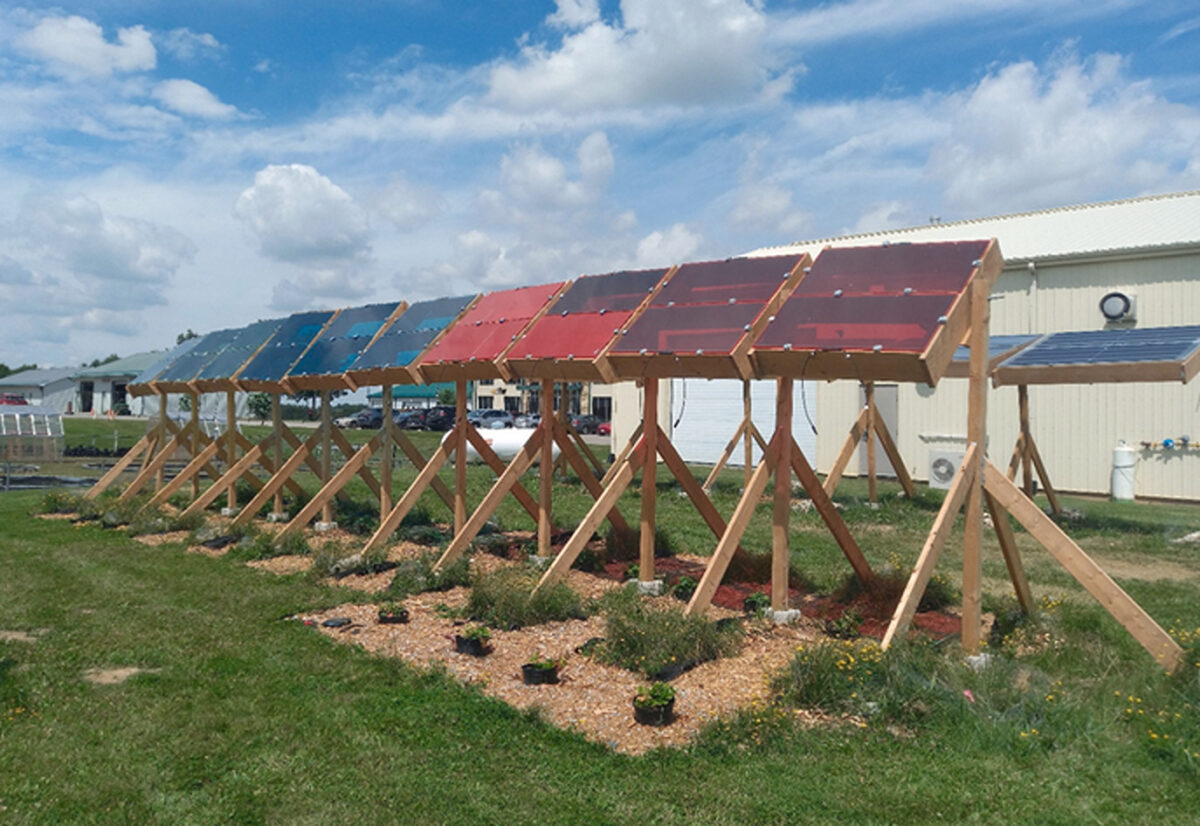
Researchers in Canada found that semi-transparent cadmium telluride and low-transparency crystalline silicon solar panels can boost turnip root and leaf yields in agrivoltaic systems by optimizing light quality, distribution, and heat stress. Their study highlights that PV module type, transparency, and spectral transmission must be carefully matched to plant physiology to maximize both crop productivity and renewable energy generation.Read More
|
|
Greenhouse agrivoltaics trial in Greece reports energy surplus while maintaining crop performance
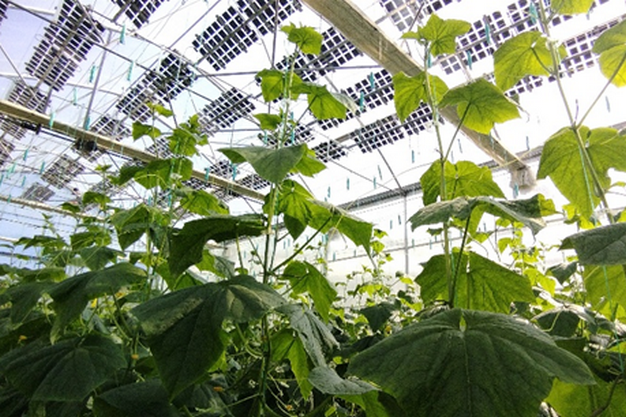
A greenhouse agrivoltaics trial in Greece has demonstrated that solar-tracking photovoltaic panels can generate an energy surplus while maintaining stable crop performance. Researchers at the Laboratory of Agricultural Constructions and Environmental Control (LACEC) of the University of Thessaly are evaluating how photovoltaic systems integrated inside greenhouses can simultaneously produce renewable electricity and vegetables while improving overall land-use efficiency. The study was conducted within the European REGACE research project and tested a dynamically moving photovoltaic system installed above greenhouse crops at the experimental farm of the University of Thessaly in Velestino.Read More
|
|
Japan establishes national benchmarks for agrivoltaics as sites expand
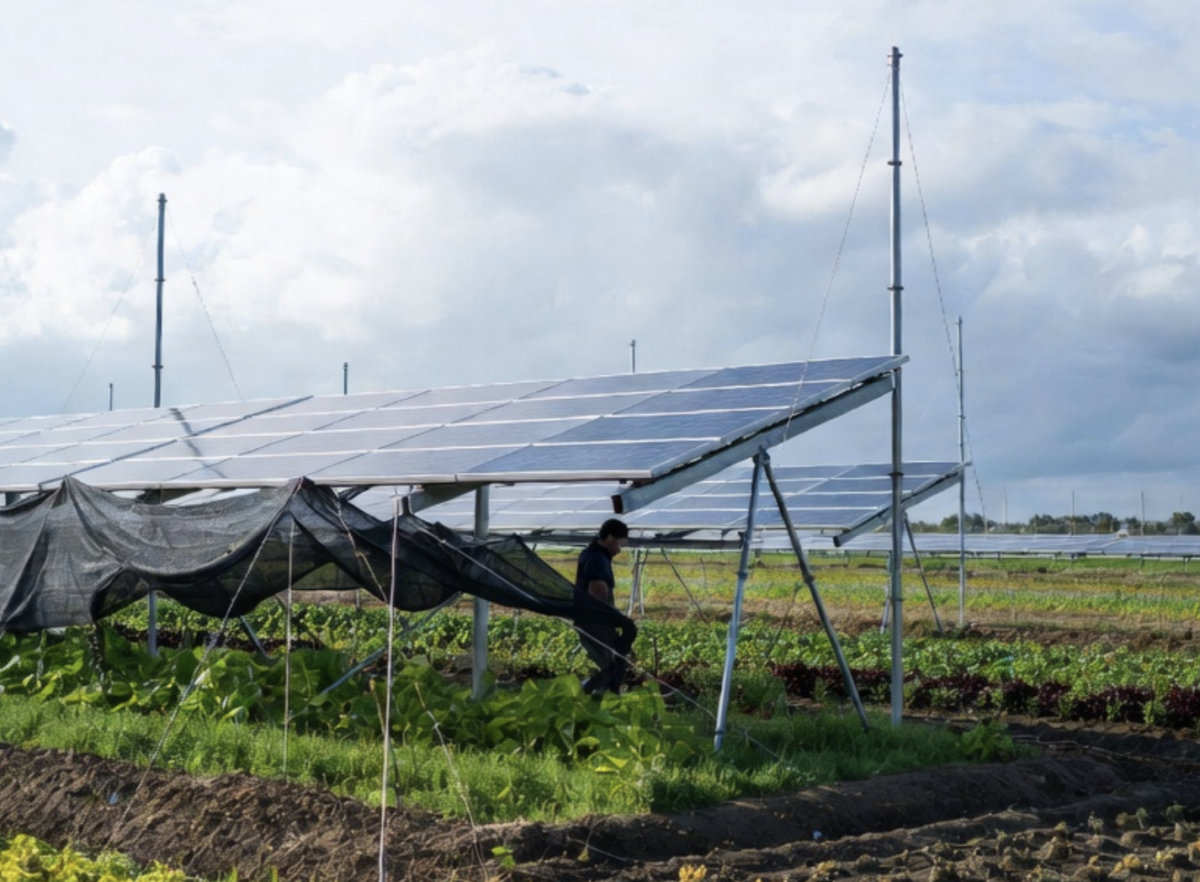
The Japanese government has defined new standards for agrivoltaics as regulators begin tightening oversight in response to nearly one-quarter of projects reporting reduced crop yields or sub-standard cultivation beneath solar panels.Read More
|
|
|
`
Address: 35-137, 1st Floor, Rectangle-1, D-4,
Saket District Centre, New Delhi - 110017
© 2025 India Agrivoltaics Alliance(IAA)
|
|