|
|
|
|
|
|
The Agrisolar Bulletin: October-December Edition
|
|
|
India
|
|
New Project Announcements
|
|
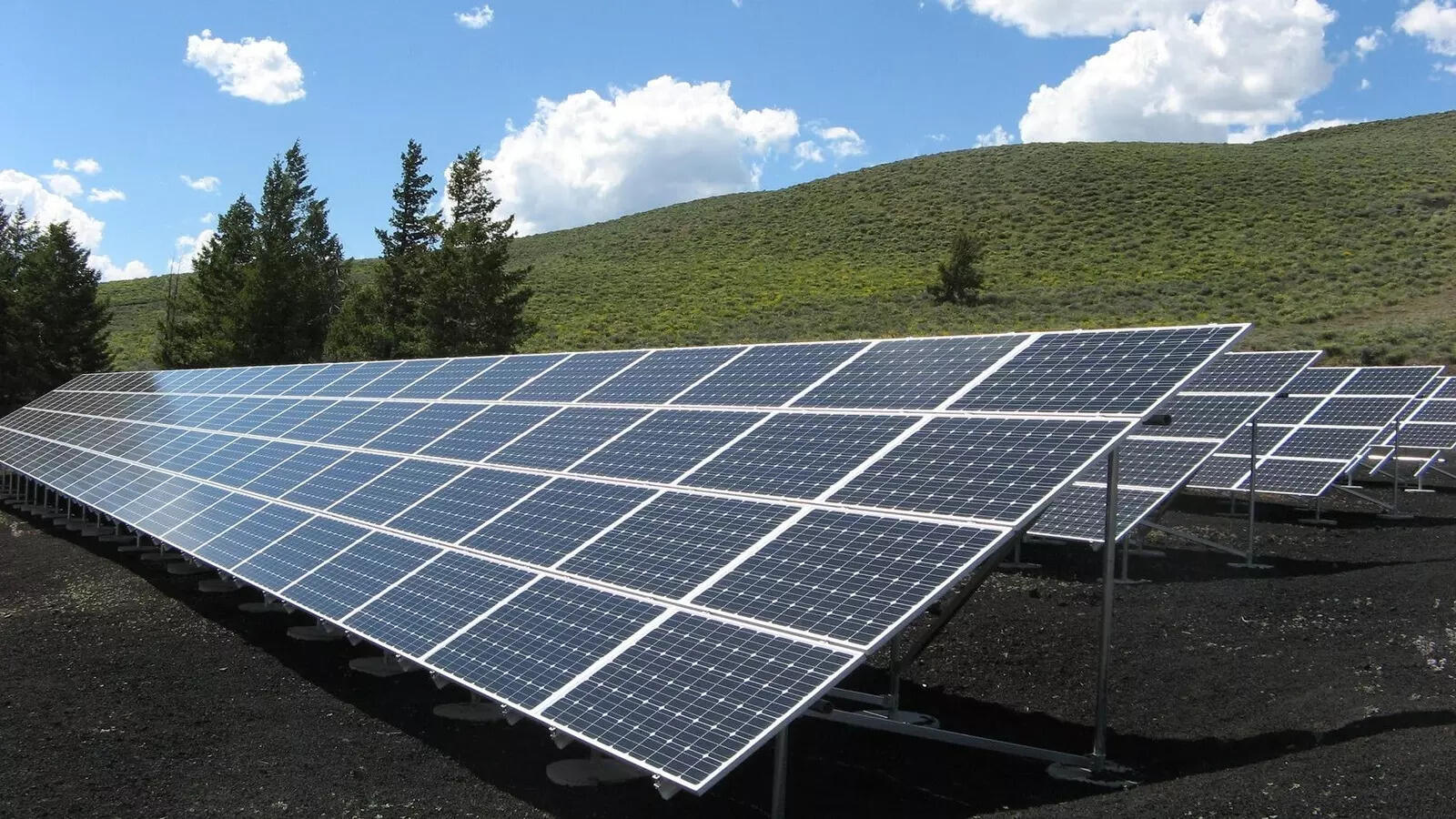
UPPCL, Hindustan Power sign 25-year PPA for 435 MW solar project
Uttar Pradesh Power Corporation Limited (UPPCL) has signed a 25-year power purchase agreement with Hindustan Power for a 435 MW solar project, strengthening utility-scale solar deployment and long-term clean power supply in Uttar Pradesh.Read More
|
|
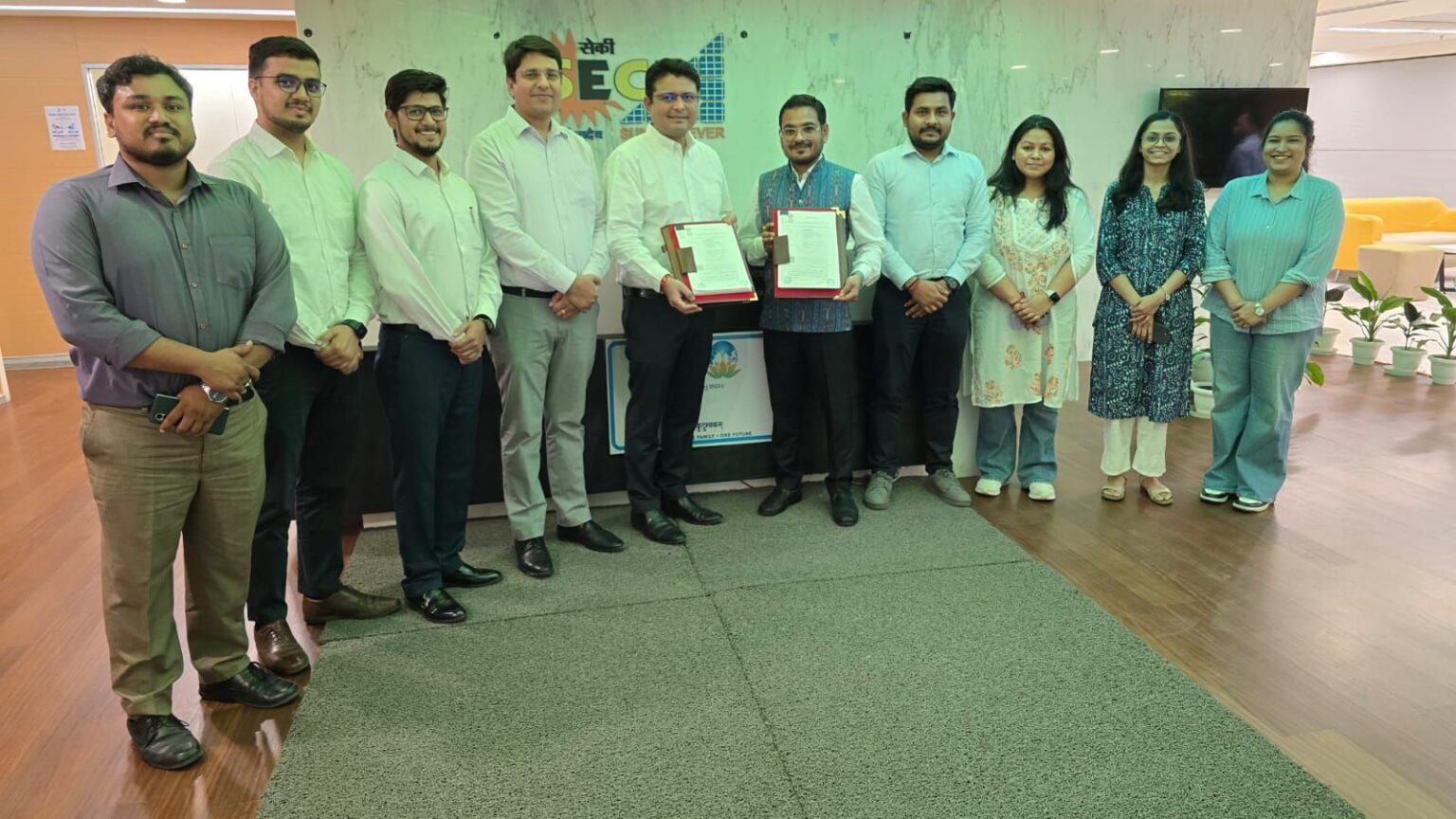
Hero Future Energies secures PPA for 270 MW solar plus storage project
Hero Future Energies has secured a PPA for a 270 MW solar-plus-storage project under a SECI tender, integrating battery storage to deliver firm and reliable renewable power.Read More
|

|
Vena Energy signs 100 MW load-following solar and wind deal with SECI
Vena Energy has signed a 100 MW load-following renewable energy PPA with SECI, combining solar and wind generation to better align power supply with demand patterns.Read More
|
)
|
ACME Solar, Tata Power sign PPA for 50 MW firm and dispatchable project
ACME Solar has entered into a 25-year PPA with Tata Power for a 50 MW firm and dispatchable renewable energy project, combining renewables with storage for reliable power delivery.Read More
|

|
ACME Solar subsidiary signs 25-year PPA with SECI for 300 MW at Rs.3.05/kWh
An ACME Solar subsidiary has signed a long-term PPA with SECI for a 300 MW solar project at a tariff of Rs,.3.05/kWh, supporting interstate transmission-linked solar expansion.Read More
|
|
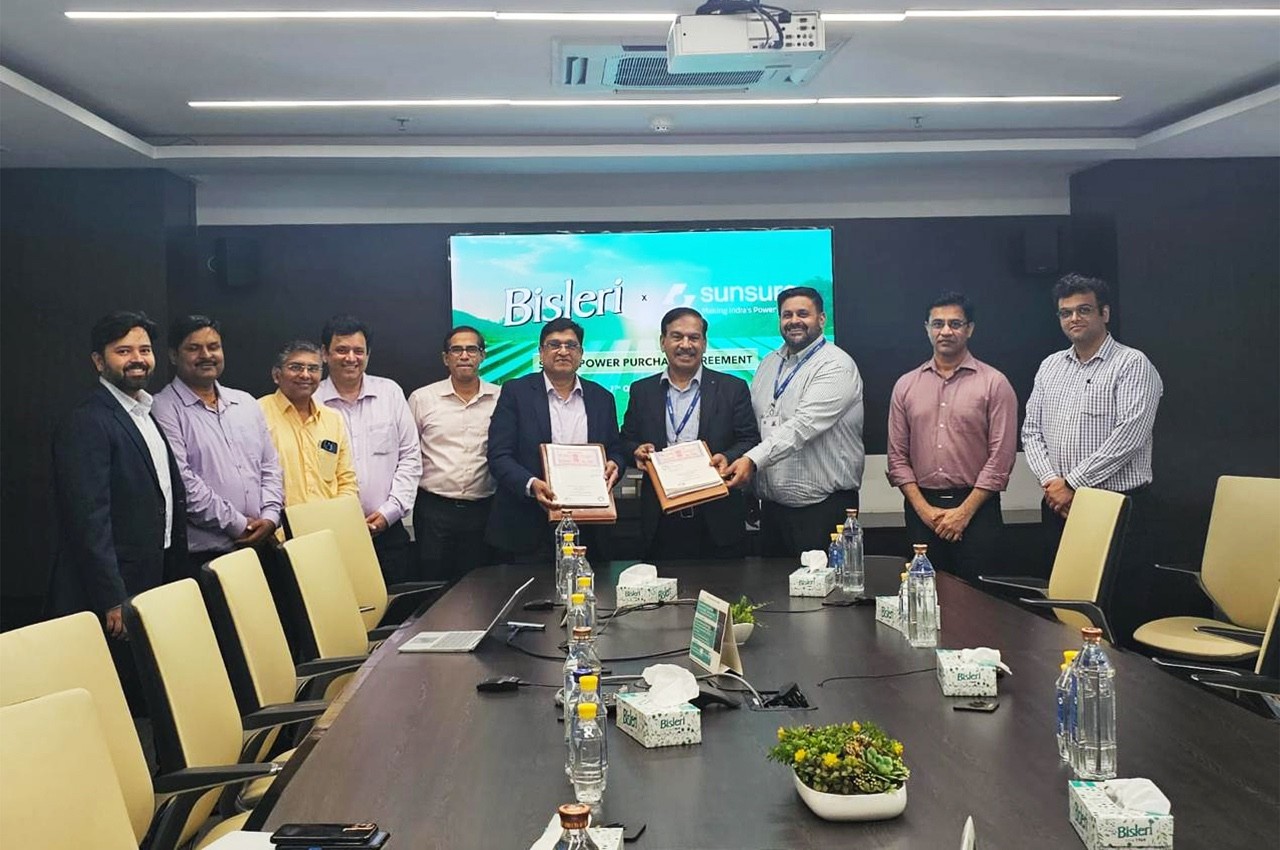
Sunsure Energy secures long-term solar PPA with Bisleri International
Sunsure Energy has secured a long-term corporate solar PPA with Bisleri International, highlighting rising corporate demand for clean energy to meet decarbonization goals.Read More
|

|
Tata Power reaches 10.9 GW after signing 200 MW FDRE PPA with NTPC
Tata Power Renewable Energy Limited has signed a PPA with NTPC for a 200 MW firm and dispatchable renewable energy project, taking its total renewable capacity to 10.9 GW.Read More
|
|
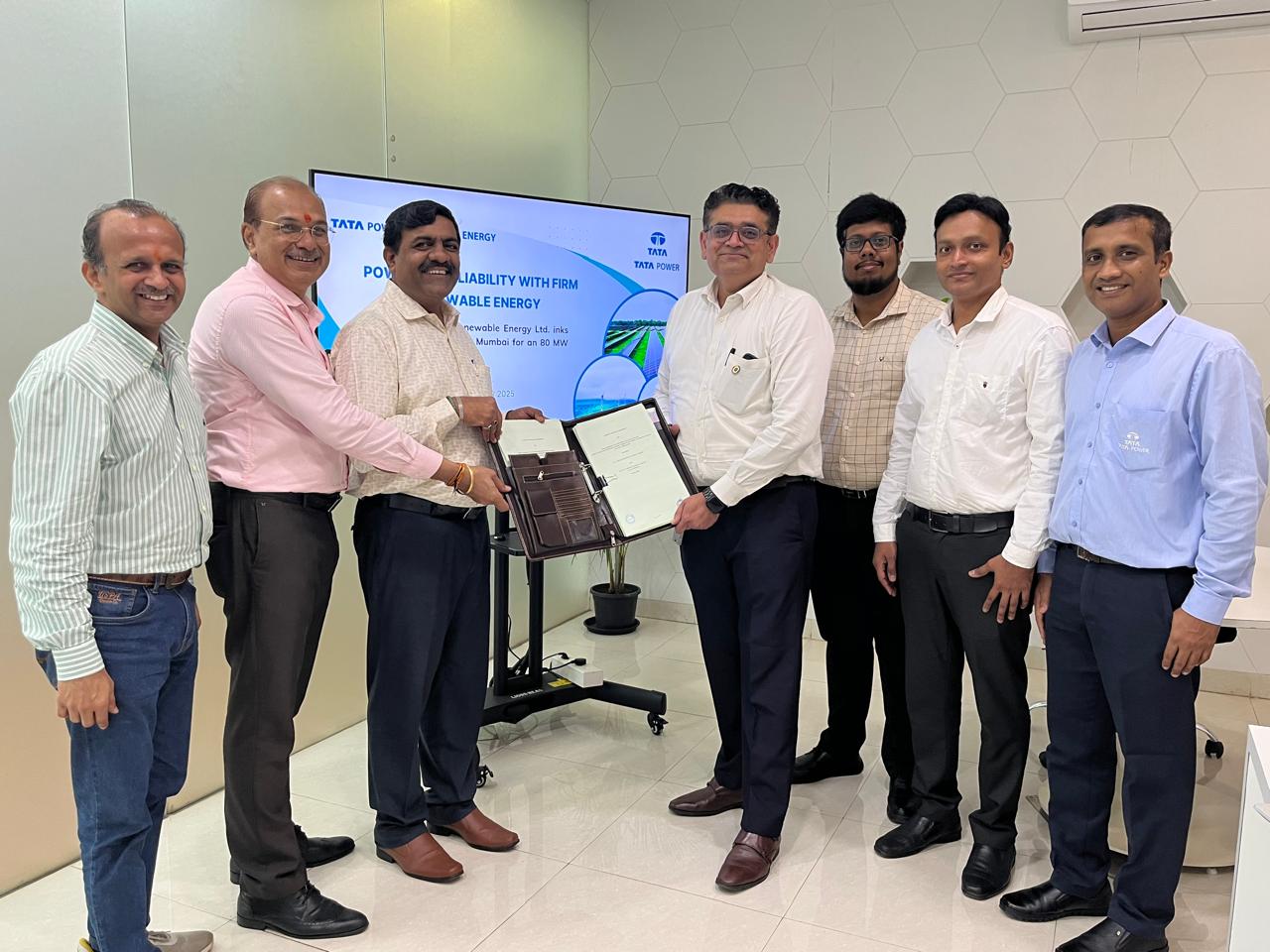
Tata Power Renewables signs 80 MW FDRE PPA with Tata Power Mumbai Distribution
Tata Power Renewable Energy Limited has signed a PPA with Tata Power Mumbai Distribution for an 80 MW FDRE project to support Mumbai's clean and reliable power supply.Read More
|
|
ACME Solar, SECI sign PPA for 200 MW solar plus battery storage project
ACME Solar has signed a PPA with SECI for a 200 MW solar project integrated with battery storage, enabling round-the-clock clean power delivery.Read More
|
|
Reliance Power arm signs 25-year PPA with SECI
A Reliance Power subsidiary has signed a long-term PPA with SECI for a large solar-plus-battery storage project, strengthening India's storage-backed renewable infrastructure.Read More
|
|
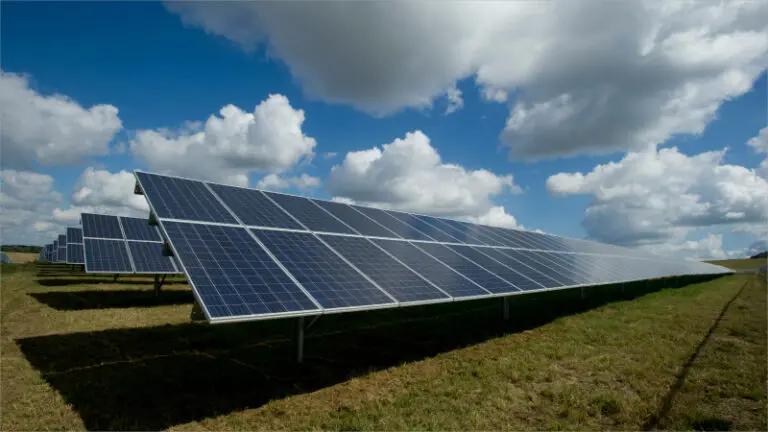
JSW Energy inks 25-year PPA with NHPC for 300 MW
JSW Energy has signed a 25-year PPA with NHPC for 300 MW of renewable capacity, expanding its clean energy portfolio.Read More
|
|
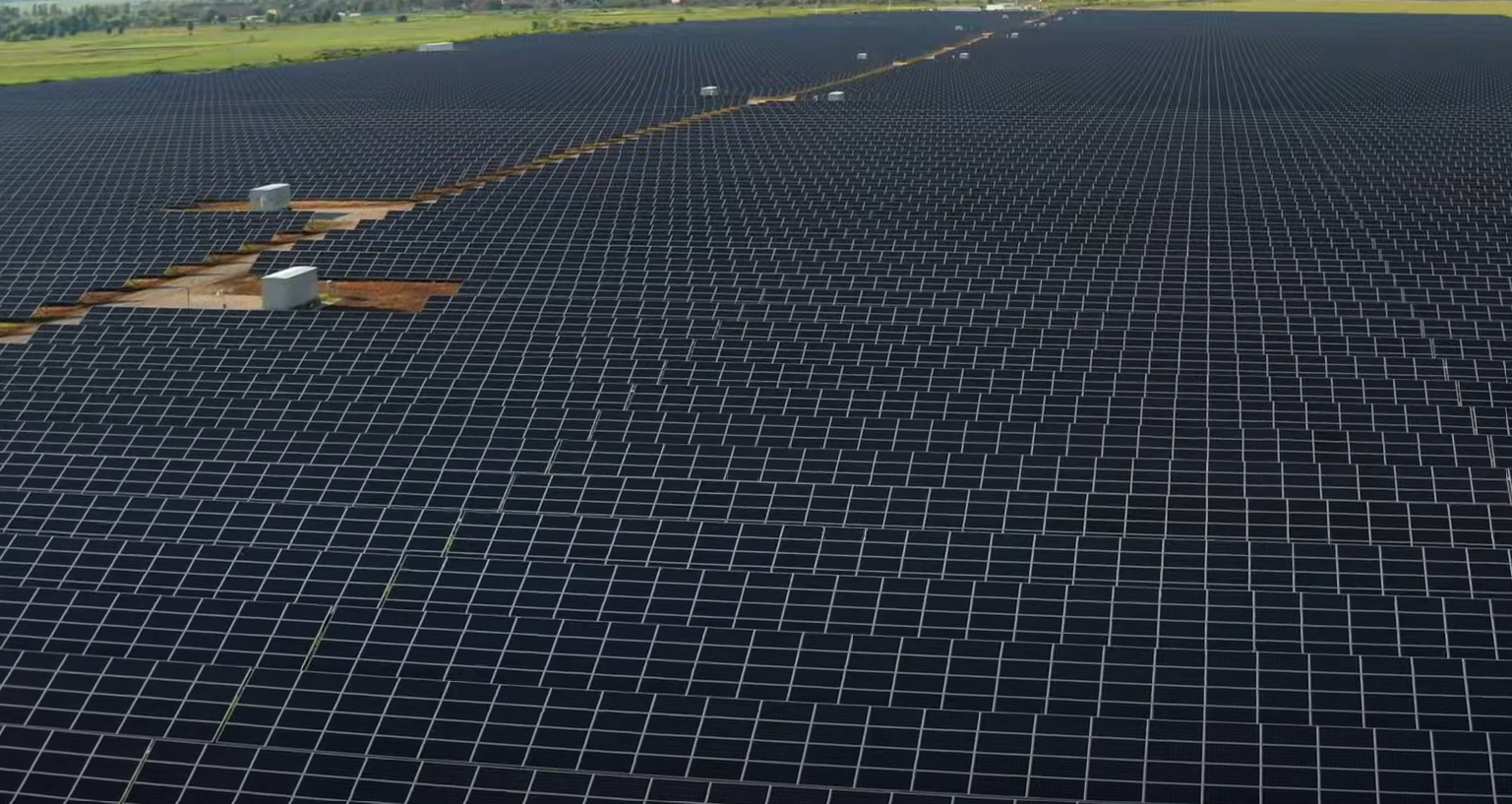
Waaree Energies secures 150 MW solar PPA with MPPMCL
Waaree Energies has secured a 150 MW solar PPA with MPPMCL, contributing to Madhya Pradesh's renewable energy capacity growth.Read More
|
|
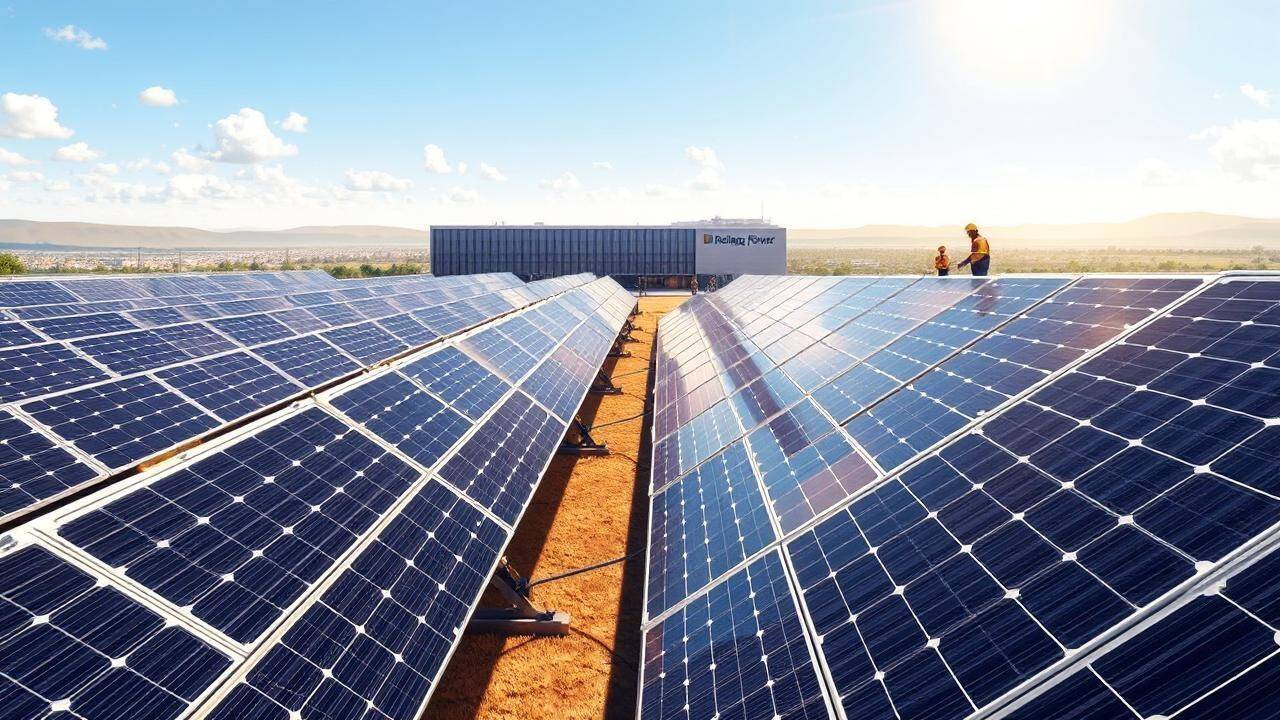
SAEL Industries signs 400 MW solar PPA with PSPCL
SAEL Industries has signed a 400 MW solar PPA with PSPCL, supporting Punjab's renewable energy targets.Read More
|
|
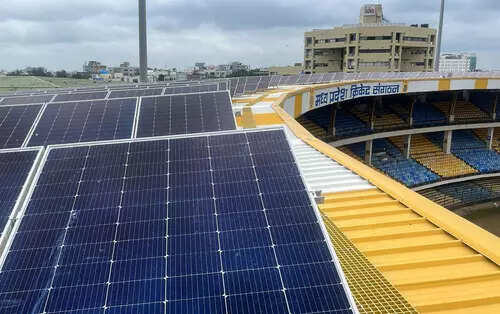
SAEL Industries signs PPAs for 880 MW solar projects in Gujarat and Punjab
SAEL Industries has signed PPAs totaling 880 MW with GUVNL and PSPCL, significantly expanding its utility-scale solar footprint.Read More
|
|
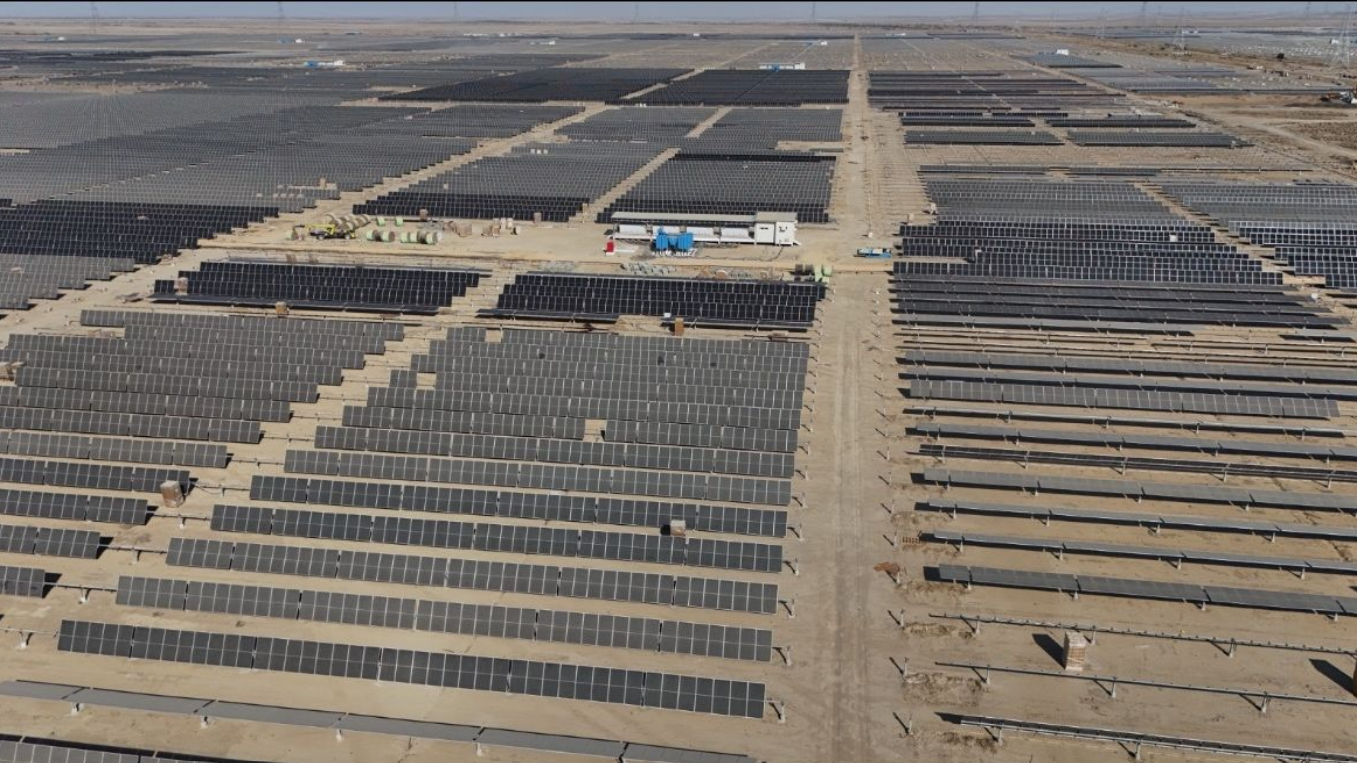
NTPC Renewable Energy commissions 110.25 MW solar, secures PPA for 1 GW
NTPC Renewable Energy Limited has commissioned 110.25 MW of solar capacity and secured PPAs for an additional 1 GW of renewable projects.Read More
|
|
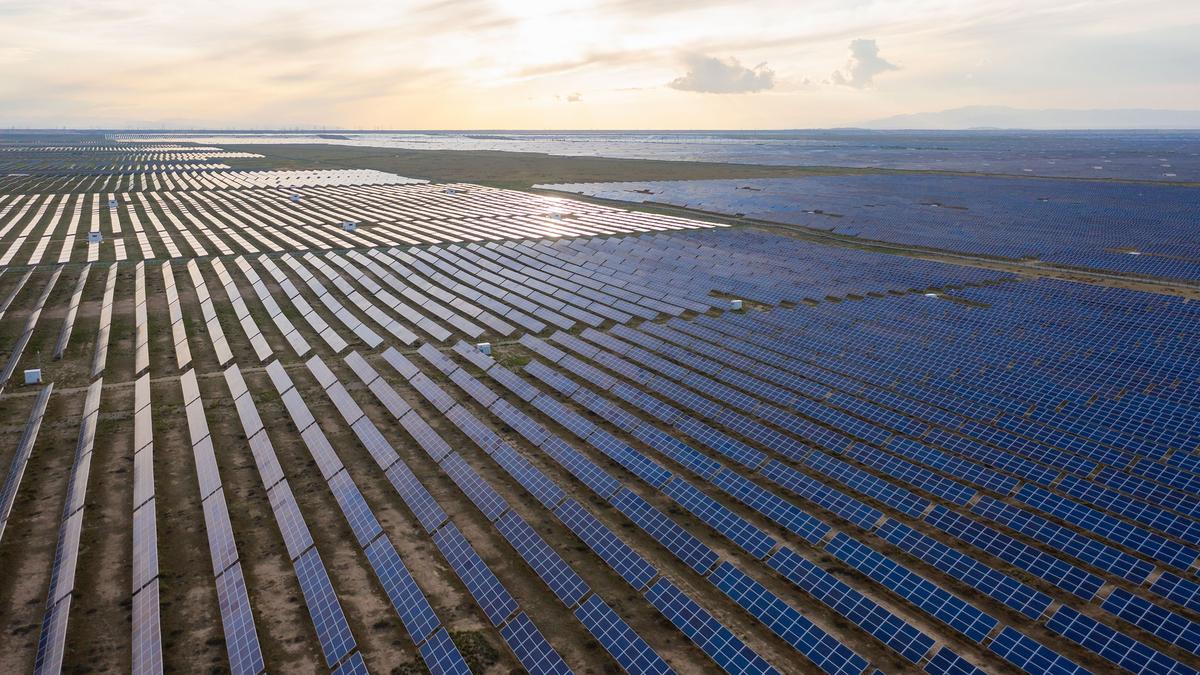
NLC India Renewables signs PPA with RVUNL for solar project
NLC India Renewables Limited has signed a PPA with RVUNL for a solar project in Rajasthan, supporting state-level clean power procurement.Read More
|

|
JSW Neo Energy signs 25-year PPA with SECI for 230 MW firm renewable project
JSW Neo Energy has signed a long-term PPA with SECI for a 230 MW firm renewable energy project integrating storage solutions.Read More
|
|
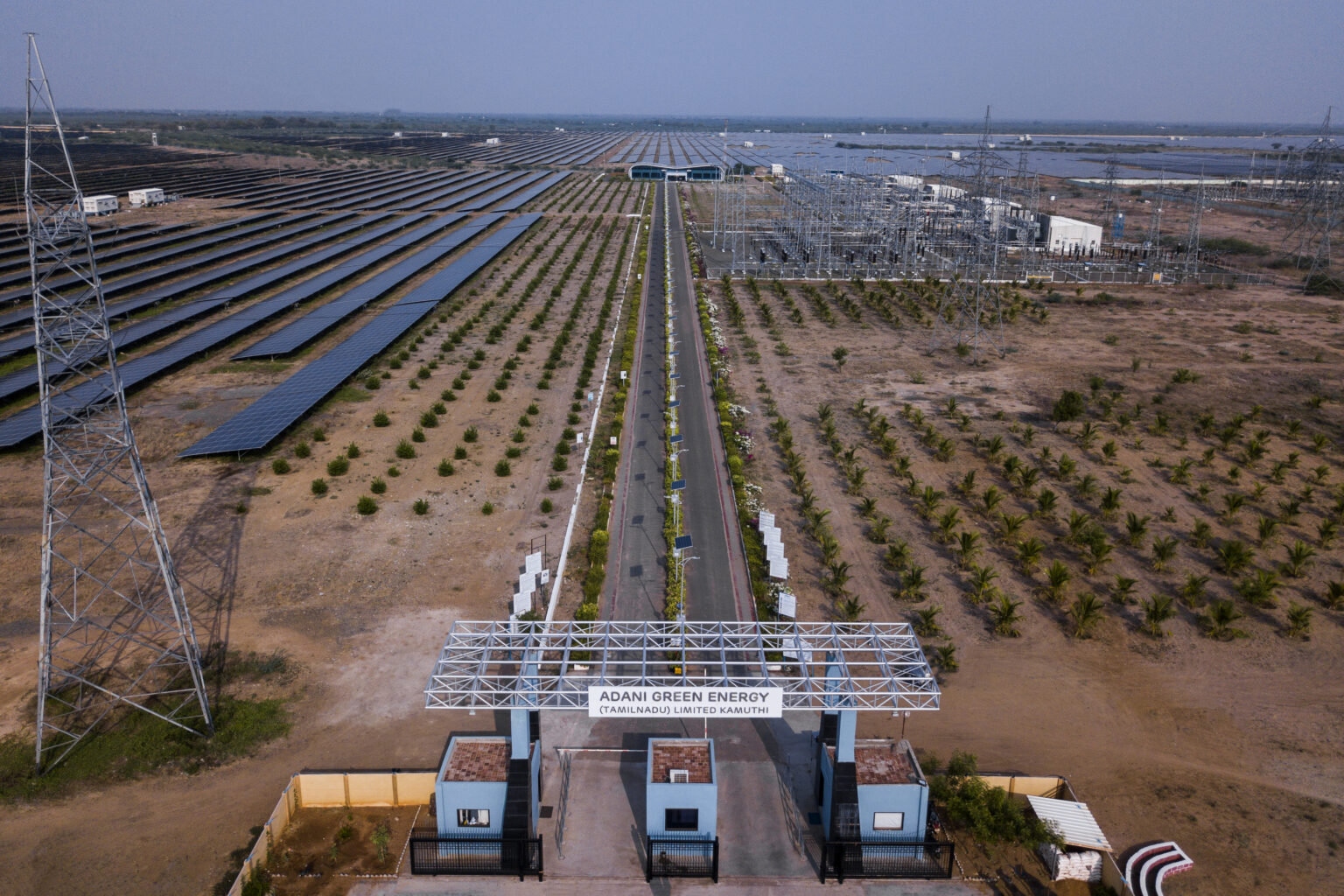
Adani Green Energy secures 400 MW solar PPA with UPPCL
Adani Green Energy Limited has secured a 400 MW solar PPA with UPPCL, supporting large-scale solar deployment in Uttar Pradesh.Read More
|

|
NTPC signs 300 MW solar PPA with Brookfield-backed Evren
NTPC has signed a PPA with Brookfield-backed Evren for 300 MW of solar capacity, strengthening clean energy sourcing.Read More
|

|
Vedanta secures 500 MW thermal PPA from TNPDCL
Vedanta Limited has secured a 500 MW thermal PPA from TNPDCL, reflecting continued thermal capacity procurement for grid stability.Read More
|

|
Bihar Regulator - KUSUM Solar Procurement
The Bihar Electricity Regulatory Commission approved procurement of 144 MW solar power under the KUSUM program, supporting decentralized renewable energy adoption in the state.Read More
|

|
Uttar Pradesh Regulator - KUSUM Tariffs
The Uttar Pradesh Electricity Regulatory Commission approved tariffs for 72 MW solar projects under the KUSUM program, supporting decentralized renewable energy deployment in the state.Read More
|
|
|
Research and Publications
|

|
Agrivoltaics in India: advancing food security, renewable energy, and ecosystem services through integrated land use for sustainable development goals
This paper examines how agrivoltaics co-locating crop cultivation and solar PV on the same land-can simultaneously address food security, clean energy access, and ecosystem services in Indian contexts. The authors analyse the potential for integrated land use to optimize solar radiation capture while sustaining agriculture, arguing that agrivoltaic systems can help meet both energy and agricultural demands without compromising either. They discuss design considerations, crop suitability, and socio-environmental co-benefits such as microclimate regulation and water efficiency. The study also links agrivoltaics with multiple UN Sustainable Development Goals (SDGs), suggesting that it offers a sustainable pathway for India to support rural livelihoods, enhance land productivity, and reduce dependence on non-renewable energy.Read More
|
|
|
Major News Highlights
|
|
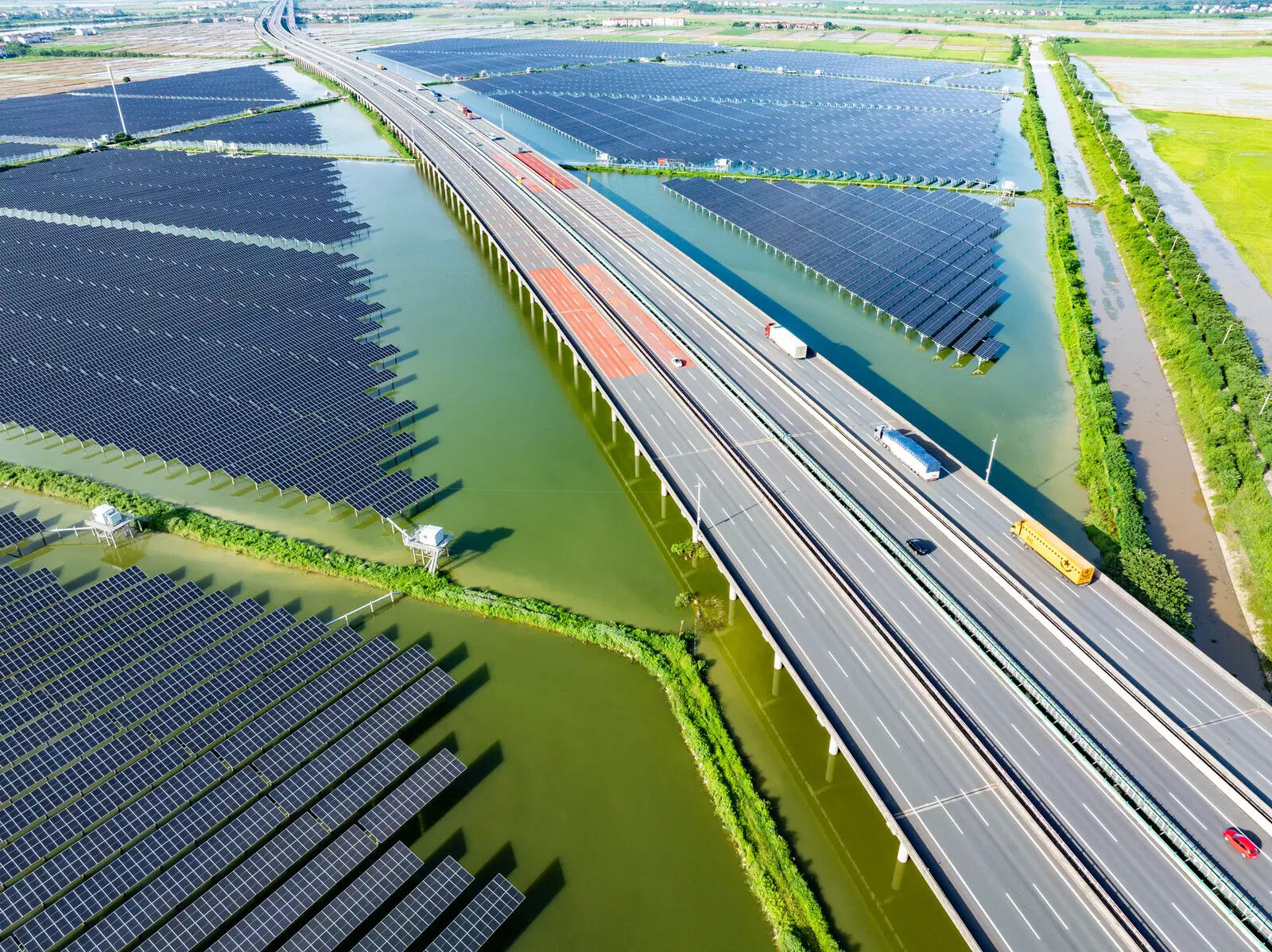
MNRE, Finance ministry in talks on new RE scheme for floating solar and agri-photovoltaic: Sarangi
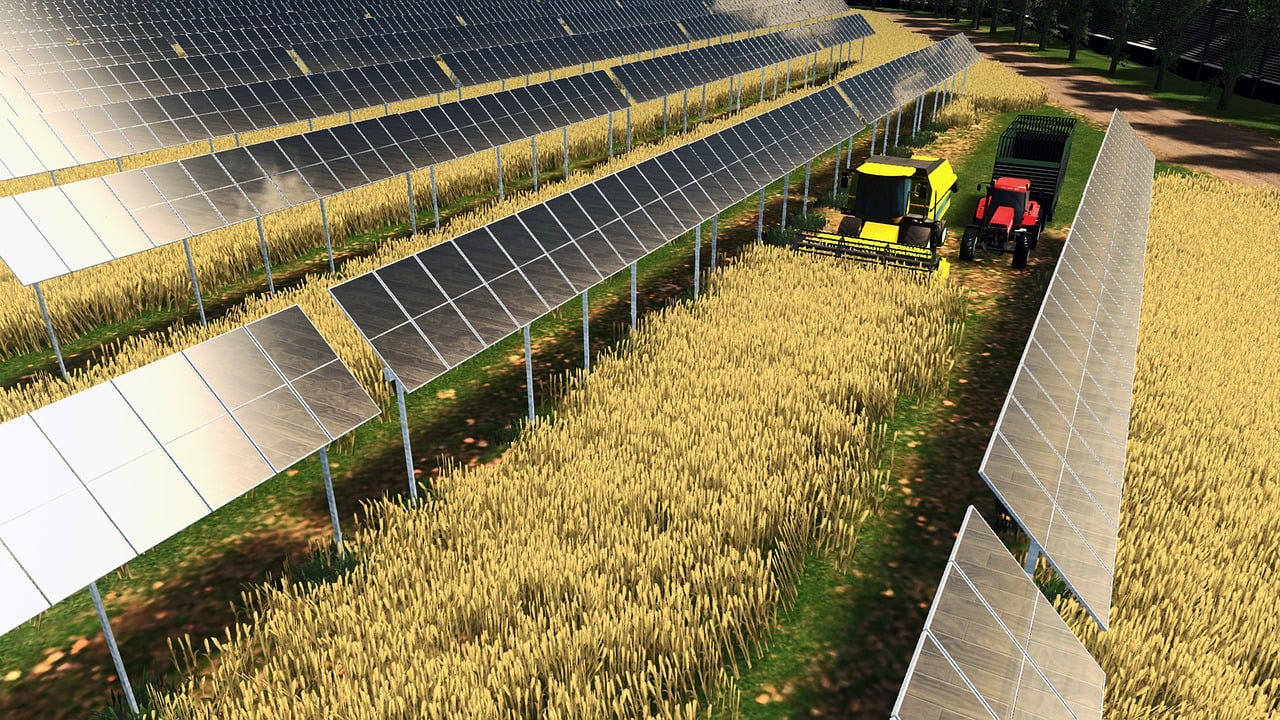
The Ministry of New and Renewable Energy (MNRE) is working with the Finance Ministry to develop a new renewable energy scheme that will support technologies like floating solar (on water bodies) and agri-photovoltaic systems. MNRE Secretary Santosh Kumar Sarangi said these technologies are being prioritized because they reduce pressure on land use a key challenge in India;s solar expansion and align with the country's ambitious renewable targets. Discussions are part of India's broader strategy to reach 500 GW of renewable energy capacity by 2030.Read More
|

|
Urban farming with agrivoltaics
A Bengaluru-based initiative is demonstrating how agrivoltaics can support urban farming by combining solar power generation with crop cultivation. By installing solar panels above crops, the project enables efficient land use, reduces electricity costs, and promotes sustainable food production in space-constrained urban environments. The initiative highlights the potential of agrivoltaics in advancing urban sustainability, renewable energy adoption, and local food security.Read More
|
/saur-energy/media/media_files/2025/12/18/agri-pv-1-2025-12-18-11-11-47.jpg)
|
NTPC Green Energy Floats EPC Tender for 100 MW Agri-PV Projects
NTPC Green Energy Limited (NGEL) has issued an EPC tender to develop 100 MW of agri-photovoltaic (agri-PV) projects, inviting bids for site selection, land arrangement, soil and water studies, DPR preparation, and full project execution across states including Bihar, West Bengal, Odisha, and Madhya Pradesh. The initiative aims to advance dual-use solar systems that integrate renewable energy generation with agricultural activities, offering farmers additional income and improved land-use efficiency.Read More
|
|
Agrivoltaics increases yields, reduces water usage, and boosts rural participation in the renewable energy transition
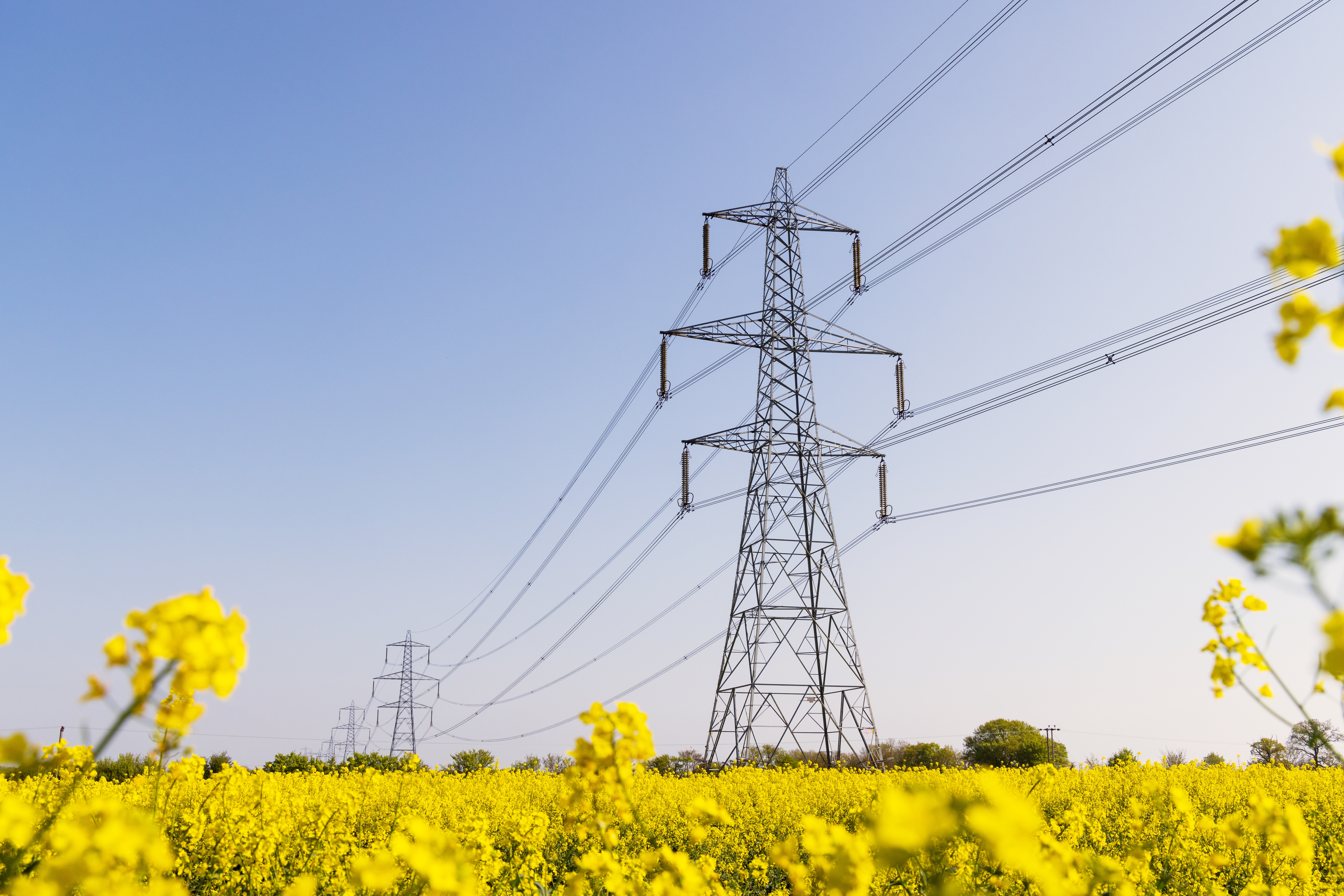
IEEFA, reports on agrivoltaics as a dual-use approach that integrates solar energy production with active farming, particularly in rural areas. The piece highlights findings that agrivoltaic systems can boost agricultural yields, cut water use, and encourage broader participation from farmers and rural communities in the renewable energy transition. It argues that agrivoltaics can ease conflicts over land use, provide new income opportunities for landowners and farmers, and support the expansion of renewable energy while maintaining agricultural productivity. The article is based on recent data showing the rapid growth of agrivoltaic installations and outlines the potential benefits if supportive policies are enacted.Read More
|

|
India Expands Africa Engagement: PM Modi's Ethiopia Visit to Focus on Solar Power, Agriculture and Critical Minerals
India is deepening strategic ties with Ethiopia during Prime Minister Narendra Modi's state visit, with a strong emphasis on solar energy, agricultural cooperation, and critical minerals. The discussions are expected to explore collaboration on solar power deployment, including grid-connected and off-grid solutions, solar irrigation technologies, and joint renewable projects under frameworks like the International Solar Alliance. The initiative highlights India's push to leverage its renewable expertise to support sustainable development and energy access in Africa while strengthening bilateral economic relations.Read More
|

|
India installs 45,911 solar water pumps in Maharashtra
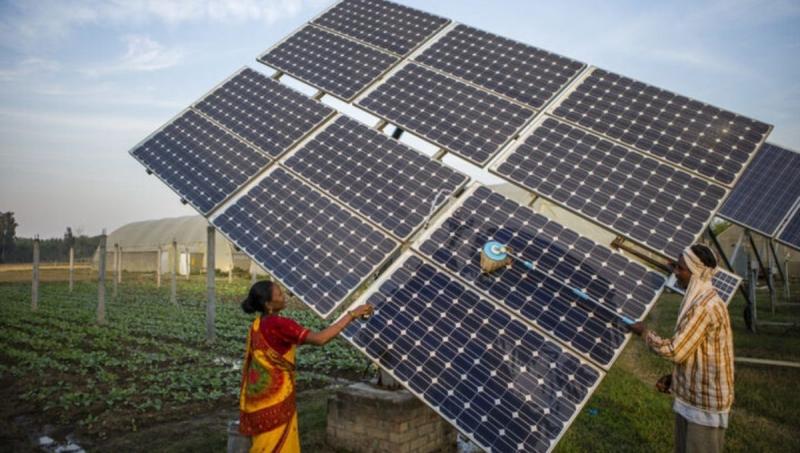
Maharashtra has set a remarkable record by installing 45,911 solar-powered agricultural water pumps in just one month, a deployment now submitted for recognition in the Guinness World Records. The initiative, under the PM-KUSUM and Magel Tyala Solar Pump schemes, aims to boost reliable, clean irrigation for farmers while reducing dependence on conventional electricity and diesel. This record-breaking achievement underscores India's rapid transition toward solar-powered agricultural infrastructure and reflects the government's commitment to sustainable farming solutions that improve productivity and rural livelihoods.Read More
|
|
India Solar Pump Market Advancing with 11.57% CAGR to 2035
The Indian solar pump market is poised for strong growth, expected to expand at a compound annual growth rate (CAGR) of 11.57 % through 2035. This momentum reflects rising adoption of photovoltaic-powered irrigation systems that enable farmers to harvest clean energy for water pumping, enhance water management, and reduce reliance on fossil fuels. Market expansion is driven by supportive government policies, increasing emphasis on rural electrification, and integration with smart monitoring technologies - positioning solar pumps as a cornerstone of sustainable agricultural infrastructure in India's renewable energy transition.Read More
|
|
Next-gen "RE" forms: How reforms can transform India's energy transition
India has emerged as the world's third-largest producer of solar energy, with an installed capacity of 127 GW a remarkable rise from just 2 GW in 2014 and also ranks fourth globally in wind power, with 53 GW. The nation has already met its 2030 target of generating 50% of its installed energy capacity from non-fossil fuel sources, achieving this five years ahead of schedule. These accomplishments reflect India's technological progress, financial innovation, and strong political will toward a clean energy transition.As the country advances toward 500 GW of renewable capacity by 2030, aligned with its Viksit Bharat 2047 vision and Net Zero 2070 target, it now enters a new era of energy transformation one that calls for comprehensive renewable energy reforms that align with the nation's long-term sustainability ambitions.Read More
|

|
Launching India's First 100 kW Tea-Voltaic Power Plant
In Ooty, Nilgiris, India's first 100 kW Tea-Voltaic pilot project is demonstrating how clean energy and tea cultivation. Designed to manage shade, optimize airflow, regulate diffused sunlight, and preserve the tea microclimate, the system integrates advanced agrivoltaic engineering with First Solar thin-film modules, selected for high-altitude and low-irradiance performance. The initiative is being implemented through a strong multi-institutional collaboration involving SEPA, the National Institute of Solar Energy (NISE), Tamil Nadu Agricultural University (TNAU), IBS Tea Factory, Cares Renewables, and First Solar.Read More
|
|
|
Global
|
|
Research and Publications
|
High shade dryland agrivoltaic conditions enhanced carbon uptake and water-use efficiency in zucchini (Cucurbita pepo)
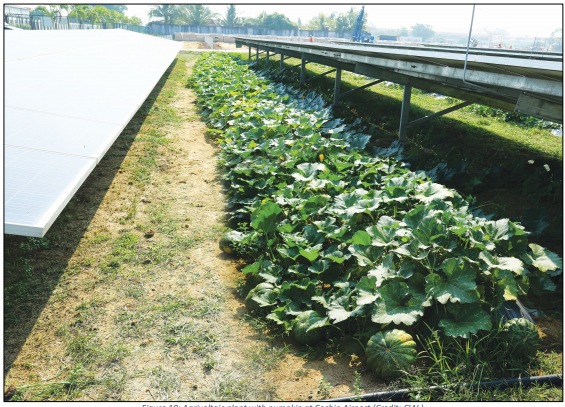
This study (University of Arizona, USA) tested zucchini grown under a dense agrivoltaic system (75% ground cover by solar panels) in a hot, semi-arid climate. The shading from panels reduced light by -79%, but created a cooler (?1.1?degree C) and more humid microclimate with higher soil moisture. Under these conditions, zucchini leaves had higher photosynthesis rates and greater daily carbon uptake, especially under limited irrigation. However, fruit yield was consistently lower than in full-sun plots, because more of the plant's carbon was diverted to vegetative (leaf) growth instead of fruit. The researchers conclude that while high-density agrivoltaic systems can improve crop physiological performance and water-use efficiency, there is a trade-off with yield so crop choice or panel density must be optimized.Read More
|
|
Scientific frontiers of agrivoltaic cropping systems
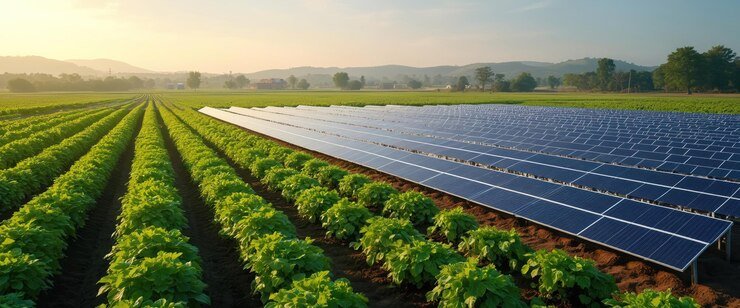
A comprehensive review of agrivoltaic (AV) systems, where solar panels are co-located with crop production. The authors discuss key scientific challenges, such as optimizing solar panel design including height, tilt, spacing, and tracking to maintain or enhance crop productivity while maximizing solar energy output. The review highlights the importance of understanding how different crops respond to shading, changes in microclimate (temperature, humidity), and soil moisture dynamics, and how these factors influence yield and quality. It also addresses broader considerations like land-use trade-offs, regulatory frameworks, economic feasibility, and long-term sustainability. The paper emphasizes that agrivoltaic systems require site-specific, tailored approaches rather than one-size-fits-all solutions. Overall, it positions AV as a multidisciplinary frontier that combines agronomy, photovoltaic engineering, environmental science, and policy, underlining the need for robust field data and coordinated strategies to fully realize the potential of dual-use land for food and energy production.Read More
|
|
Fast ground irradiance computations for agrivoltaics via physics-informed deep learning models
A team of researchers introduced a physics-informed neural network (PINN) that predicts ground-level irradiance (i.e., how much sunlight the crop under panels receives) in agrivoltaic systems. The model uses inputs like direct normal irradiance, diffuse horizontal irradiance, sun position, and system geometry. It is trained on ray-tracing simulation data but runs thousands of times faster (ground irradiance maps in -3 ms) than traditional ray-tracing, making it practical for design optimization and real-time control. This tool could greatly accelerate agrivoltaic system planning by enabling rapid 'what?if' scenarios for panel height, tilt, spacing, and crop layout.Read More
|

|
Agrivoltaics as a win-win for rural regions? Energy and environmental justice perspectives across Italy, Spain, Belgium, and the Netherlands
The authors explore agrivoltaics from the lens of energy justice, scrutinizing how its deployment in four European countries (Italy, Spain, Belgium, and the Netherlands) might reinforce or mitigate social inequalities. Through semi-structured interviews with stakeholders, they investigate issues like power imbalances, benefit distribution, and community participation. While agrivoltaic systems are recognized for offering farmers additional income and environmental gains (e.g., soil quality improvements), the study reveals that benefits may disproportionately favour large landowners and investors. To make agrivoltaics equitable, the paper argues for early engagement of local communities, inclusive governance mechanisms, and regulatory frameworks centered on restorative justice and fair compensation.Read More
|

|
Economic and Environmental Outlook on Agrivoltaics: Review and PerspectivesEconomic and Environmental Outlook on Agrivoltaics: Review and Perspectives
the current literature on agrivoltaic systems through an economic and environmental lens, focusing on the "triple bottom line" of people, planet, and profit. They highlight how combining agriculture with solar PV can lead to synergistic benefits: certain agrivoltaics systems show much higher profitability than standalone farming, while also significantly cutting greenhouse gas emissions compared to traditional farming plus energy generation. Drawing on techno-economic analyses, life-cycle assessments, and policy studies, they identify key parameters (e.g., land-use efficiency, system design, crop choice) that drive agrivoltaics' sustainability. They also discuss challenges, such as high upfront costs, resource trade-offs, and the need for strong policy support - and recommend future research priorities and policy pathways to scale agrivoltaics sustainably.Read More
|

|
Agri-Photovoltaic technology allows dual use of land for tomato production and electricity generation
The research demonstrates how agrivoltaic systems where solar panels and crops share the same land affect both tomato production and renewable energy generation. Field trials in Israel showed that while shading from PV modules can reduce fruit yield and quality, strategic panel spacing can minimize these losses. Importantly, the system generated substantial electricity per hectare and produced significantly higher combined economic returns compared to conventional farming alone. This research advances understanding of how to optimize dual land use for energy and agriculture, highlighting agrivoltaics' potential to support sustainable food and energy systems.Read More
|

|
|
|
Major News Highlights
|
Agrivoltaics: double the farming on a global scale
The potential of agrivoltaics in Africa is immense, with the continent's abundant solar radiation offering even greater advantages than those observed in Europe. With the right policy incentives and funding mechanisms, agrivoltaic systems could unlock wide-ranging benefits, advancing both agricultural productivity and renewable energy generation. Although the technology remains in its nascent stage across much of Africa, the transfer of technical expertise and the implementation of integrated policy frameworks such as the Water-Energy-Food-Ecosystems (WEFE) Nexus, which promotes coordinated solutions across these interlinked sectors-can significantly enhance food and energy security, support climate resilience, and deliver tangible improvements to local livelihoods.Read More
|
|
Crops and solar: 'Best of both worlds'?
Agrivoltaics refers to the simultaneous use of land for both solar power generation and agricultural cultivation. Under such arrangements, contractual terms typically allow farmers to continue agricultural activities as long as they do not interfere with the efficiency or operation of the solar installations. Financially, agrivoltaic projects can offer annual lease payments of up to $1,000 per acre, with total earnings varying by location, project scale, and site conditions, providing farmers with a stable supplementary income alongside traditional crop production.Read More
|

|
Zurich launches insurance for agrivoltaics
Zurich Group Germany, a subsidiary of the global Zurich Insurance Group, has introduced a modular insurance solution specifically tailored for small and medium-sized agrivoltaic systems. The policy addresses the distinct risks associated with the dual use of land for agriculture and solar energy generation, offering coverage for potential damage to crops, livestock, and farm equipment. Agrivoltaic installations present unique risk profiles not typically found in conventional ground-mounted solar projects. The interaction between agricultural operations and photovoltaic infrastructure increases the likelihood of accidental damage-for instance, collisions between heavy farm machinery and solar module structures, or injury to animals caused by electrical components. Additionally, photovoltaic systems may cause damage to third-party property, such as neighboring farms or leased land areas. The policy also extends protection against fire-related incidents affecting modules, inverters, cabling systems, supporting structures, and agricultural yields, ensuring comprehensive risk mitigation for operators and farmers alike.Read More
|

|
Cadmium telluride vs. crystalline silicon in agrivoltaics
According to Jamil, scaling agrivoltaic systems across all lettuce farms in Canada using 69% transparent photovoltaic (PV) modules could yield approximately 1,200 MW of clean energy, nearly doubling Ontario's current solar PV capacity. With 44% transparency modules, the potential generation capacity could reach 2,300 MW, equivalent to about 40% of Canada's existing solar capacity. The study further highlights significant economic advantages. If all lettuce farms nationwide adopted 69% transparent crystalline silicon (c-Si) modules, they could collectively produce CAD $342 million (USD $245 million) in additional electricity revenue. Utilizing 44% transparency panels could increase this to CAD $629 million, and when combined with a modest 3% increase in crop yield, total revenue could exceed CAD $737 million-surpassing the returns from conventional farming by roughly CAD $20 million.Read More
|
|
Can farmland thrive with solar? This Virginia nonprofit is finding out.
Studies show that Virginia has ample land to meet its solar energy goals without significantly impacting agricultural areas. According to a Nature Conservancy analysis, even after excluding over 2 million acres of prime conservation and farmland, the state still has 40 times more suitable land than required for solar deployment, assuming 10 acres per megawatt of capacity. Research from Virginia Commonwealth University indicates that less than 1% of the state's cropland is currently used for large-scale solar projects-a figure that could rise to 3.1% by 2035, including 1.2% of prime farmland, under a high-growth scenario. However, experts from the American Farmland Trust suggest that urban and residential sprawl poses a far greater long-term threat to farmland than solar expansion, advocating for "smart solar" development that coexists with agriculture.Read More
|

|
China Is Totally Crushing Trump's Fossil Fuel Dream, With Agrivoltaics
The early 2000s solar expansion often relied on covering land with sand or gravel to create low-maintenance surfaces for photovoltaic (PV) installations. Today, however, the focus has shifted toward sustainable land management, emphasizing soil health restoration, water conservation, and the creation of pollinator-friendly habitats to enhance biodiversity.The emerging phase of solar development seeks to integrate agricultural production within solar farms, particularly on marginal or degraded lands, where partial shading from panels can enable or revive cultivation. This agrivoltaic approach offers a dual benefit-sustainable energy generation alongside productive land use.Challenges arise when transitioning existing farmland for solar projects. Selecting shade-tolerant crops and maintaining adequate space for farm operations are key considerations, alongside ensuring that the economic return from solar energy justifies the loss of traditional crop or livestock revenue. In regions like the United States, solar leases have become a financial lifeline for farmers affected by market disruptions, climate pressures, and declining agricultural margins.Read More
|

|
PEC Pilots Agrivoltaics Project at Aldie Community Farm
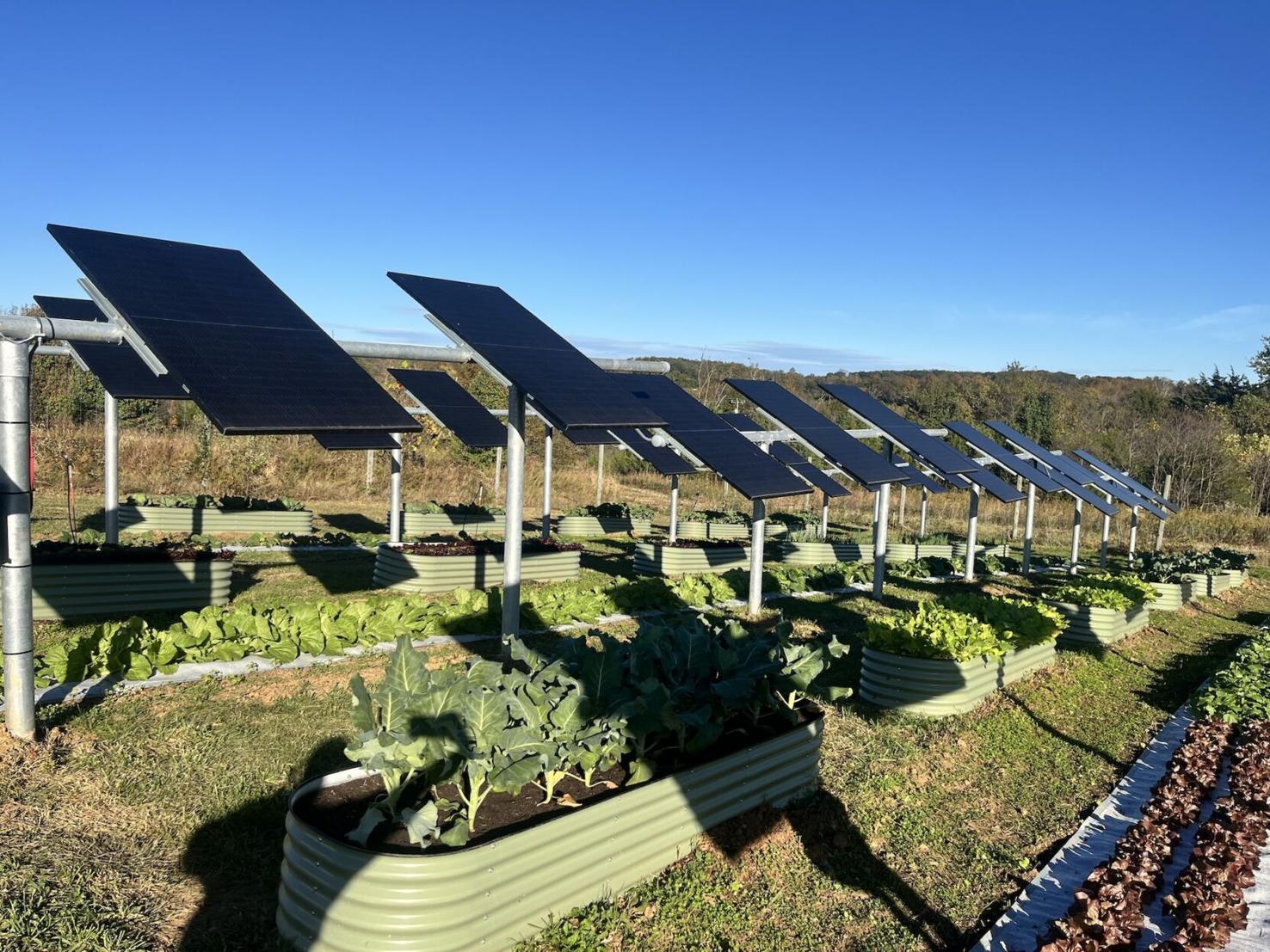
The Piedmont Environmental Council (PEC) has launched Virginia's first agrivoltaics pilot project at its community farm in Aldie, integrating solar energy generation with crop cultivation. The initiative demonstrates how distributed renewable energy can coexist with agriculture, expanding opportunities for dual-use farming models across the state. Valued at $150,000, the project features 42 solar panels installed alongside four rows of vegetables and raised planting beds across 1,500 square feet of the farm's 3.5 acres under production. Funded through PEC donors and a grant from the National Renewable Energy Laboratory (NREL), the pilot includes a diverse range of fall crops such as kale, turnips, bok choy, collard greens, cabbage, and broccoli.Read More
|
|
Solar panels ?go up at Grand Junction vineyard,? Colorado's newest ag and energy project
On a clear October day in Grand Junction, Colorado, Horst Caspari, the state's viticulturist, supervised the installation of solar panels above his Chardonnay vineyard, marking a pioneering step in integrating agrivoltaics into viticulture. The system is designed not only to generate renewable electricity for the Colorado State University Western Campus, where the vineyard is located, but also to enhance crop performance by moderating heat stress and protecting vines from extreme weather. Agrivoltaics, or dual-use solar, enables simultaneous agricultural production whether crops, livestock grazing, or pollinator habitats beneath or alongside solar panels. While most U.S. projects focus on grazing or habitat restoration, Caspari's initiative seeks to demonstrate the direct agricultural benefits of cultivating crops under solar installations. The vineyard is one of over 20 agrivoltaic demonstration projects underway in Colorado, supported by state investment and growing farmer participation. "Colorado has become a hub for agrivoltaic innovation, driven by forward-thinking farmers and abundant sunshine," noted Kristen Boysen, Managing Director of the Colorado Department of Agriculture's Drought and Climate Resilience Office.Read More
|

|
Physics-Informed Deep Learning Accelerates Agrivoltaic Irradiance Calculations
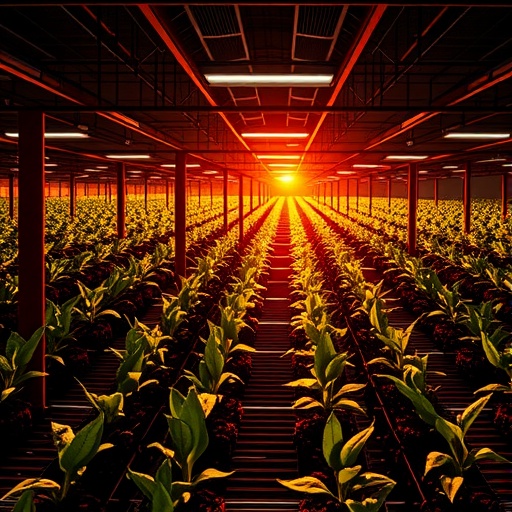
In a recent breakthrough, Kurumundayil et al. developed a fast and accurate computational framework for ground irradiance estimation using physics-informed deep learning models, significantly improving the speed and accuracy of simulations. This innovation establishes a new benchmark for agrivoltaic system analysis and design optimization. Agrivoltaic systems involve elevated PV panels installed over cultivated land, enabling both electricity generation and crop production. However, the shading effects of panels alter the distribution of direct and diffuse solar radiation, influencing microclimate and plant growth. Traditional irradiance modeling approaches such as ray tracing or radiative transfer equations though precise, are computationally intensive and impractical for large-scale or real-time applications. The new AI-driven framework offers a scalable, efficient, and data-informed alternative, paving the way for smarter, adaptive agrivoltaic designs.Read More
|
|
Officials urge farmers to adopt entirely new method to bring in revenue: 'Not the boogeyman'
As one of the fastest-growing renewable energy sources, solar power continues to demonstrate remarkable adaptability from small-scale portable systems to vast solar farms spanning hundreds of acres. Now, a new frontier is emerging in the form of agrivoltaics, a concept that combines solar energy generation with agricultural production to enhance both farm sustainability and profitability. According to Patrick Gossage, Board Chair of Agrivoltaics Canada, the technology represents a crucial diversification strategy and could become "the savior of many family farms in Canada." Though the idea dates back to 1981, pioneered by Adolf Goetzberger and Armin Zastrow, it is only now gaining serious traction within Canada's agriculture and clean technology sectors. Agrivoltaics Canada's partnership with Canada's Food and Agri-Tech Engine as a Knowledge and Development partner marks a significant step toward integrating agrivoltaics into the country's innovation ecosystem, underscoring its potential to transform both farming resilience and renewable energy adoption nationwide.Read More
|

|
AgriPV projects in Spain now eligible for farming subsidies
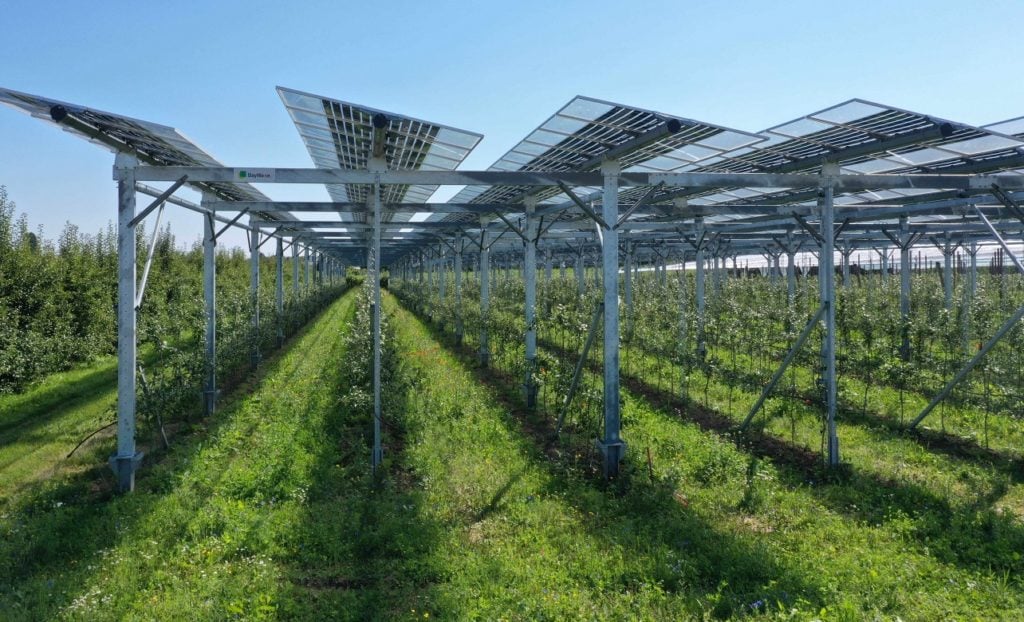
Spain has amended its national Common Agricultural Policy (CAP) framework, allowing agrivoltaic (AgriPV) projects - where solar panels coexist with active farmland - to qualify for farming subsidies. The decree ensures that land under solar panels still counts as eligible agricultural land for CAP payments, provided farming remains the primary activity. This regulatory change is significant for farmers and solar developers, as it enables dual-use land for both food production and solar energy generation. UNEF (Spanish Photovoltaic Union) called this a major milestone, emphasizing potential benefits including increased farmer income, enhanced climate resilience, and promotion of renewable energy. Detailed technical requirements on panel placement, shading limits, and crop types will be provided in future regulations. This aligns with broader European trends supporting agrivoltaics and efficient land use, with Spain already having operational projects like BayWa r.e.'s 54?MW Alhendin plant that combine solar generation with farming. Overall, the policy is expected to accelerate agrivoltaic adoption, offering economic, environmental, and energy benefits.Read More
|
|
Researchers make stunning discovery after examining solar panels on farmland
Researchers at the University of Cordoba in Spain have made a significant discovery regarding the integration of solar panels with farmland, specifically olive plantations, through agrivoltaics. Their study found that placing solar panels above crops can create a mutually beneficial system, where the panels provide shade and protection to the plants, reducing heat stress and improving crop productivity. At the same time, the olive trees' evapotranspiration cools the solar panels, enhancing their efficiency, since solar panels typically lose performance at higher temperatures. This dual-use approach allows farmland to simultaneously generate electricity and produce crops, improving land-use efficiency. Additionally, the system helps conserve water by reducing soil evaporation, improves soil health, and supports sustainable farming practices. The findings suggest that agrivoltaics could become a game-changer for regions seeking to balance renewable energy generation with food production, offering farmers an opportunity to diversify income while contributing to climate-friendly energy goals.Read More
|

|
South Korea to Introduce Rules for Agrivoltaics
South Korea is planning to pass a new law to formally regulate agrivoltaic systems that is, solar panels installed on farmland. The Ministry of Agriculture, Food and Rural Affairs aims to draft the act this year and enact it in the first half of next year. Key goals of the legislation include preventing overdevelopment, safeguarding food security, and ensuring that profits benefit local communities and farmers, not just solar companies. The law will use rural spatial planning to identify which agricultural areas are suitable for agrivoltaic deployment. Also, the regulation could allow longer permit periods for unused farmland - the government has suggested extending permits from 8 years to 23 years for agrivoltaic projects. The proposal comes amid pilot projects in South Korea, such as a demonstration site in Ochang?eup, Cheongju, where cabbage is already growing under solar panels.Read More
|

|
US study outlines gains and risks in agrivoltaic solar development
A new National Renewable Energy Laboratory (NREL) report highlights both opportunities and challenges in deploying agrivoltaic systems where solar power generation is co?located with agricultural activity. The study, focusing on Massachusetts' solar?on?farmland policies, shows that agrivoltaics can help developers engage agricultural stakeholders and potentially provide farmers with diversified income while supporting renewable energy goals. However, the report also finds that regulatory complexity, financing hurdles, and stakeholder coordination can slow deployment if not carefully managed, and that effective policy frameworks are key to balancing farming needs with solar development. By examining the successes and obstacles in Massachusetts, the report offers lessons for policymakers and project developers seeking to scale agrivoltaics in the United States.Read More
|
|
This Week in PowerBites: Air Force Goes Electric, Agrivoltaics, Evolving Components
In this edition of Electronic Design's PowerBites, the article highlights three major technology trends: the U.S. Air Force's exploration of STOL (short take?off and landing) electric aircraft for missions in remote or contested zones; an international agrivoltaics conference bringing together farmers, solar developers, and engineers to promote co?use of farmland and solar power; and several advances in power?device technologies, including a development kit for solar-powered cars, an intelligent multichannel LED driver, and more efficient motor control solutions.Read More
|

|
Bangladesh, Germany & EU launch agrivoltaics pilot project
Bangladesh, together with Germany and the European Union, has initiated its first agrivoltaics pilot project, launching a 'Sun, Soil, and Sustainability' working group to support policy coordination, research, and technical deployment. The pilot, supported by GIZ (German development agency), will test the viability of combining crop cultivation with solar panel installations to maximize land use and improve energy resilience. Representatives from the Power Division, academia, and industry (including Fraunhofer ISE) will study technical, agricultural, and economic models. The initiative aligns with Bangladesh's Renewable Energy Policy 2025, which aims for 30% renewable energy in its power mix by 2040.Read More
|

|
France agrivoltaics trials show early crop & livestock gains
Field trials in France conducted by TSE (a solar developer) and INRAE (French National Institute for Agriculture) show that agrivoltaic canopies deliver significant microclimatic benefits. On hot days, the canopy reduces temperatures by up to 1.4 degree C on average (and as much as 7 degree C during heatwaves), while at night it moderates temperatures downward, reducing stress on crops and livestock. In one trial location, dry-matter crop yield nearly doubled under the canopy during periods of water stress, compared to control plots. The shading also reduced evapotranspiration and improved water balance, while livestock under the canopy appeared more comfortable (e.g., cattle resting in shade during hot spells). These results suggest agrivoltaics may be a robust adaptation strategy for farms facing increasing climate variability.Read More
|
|
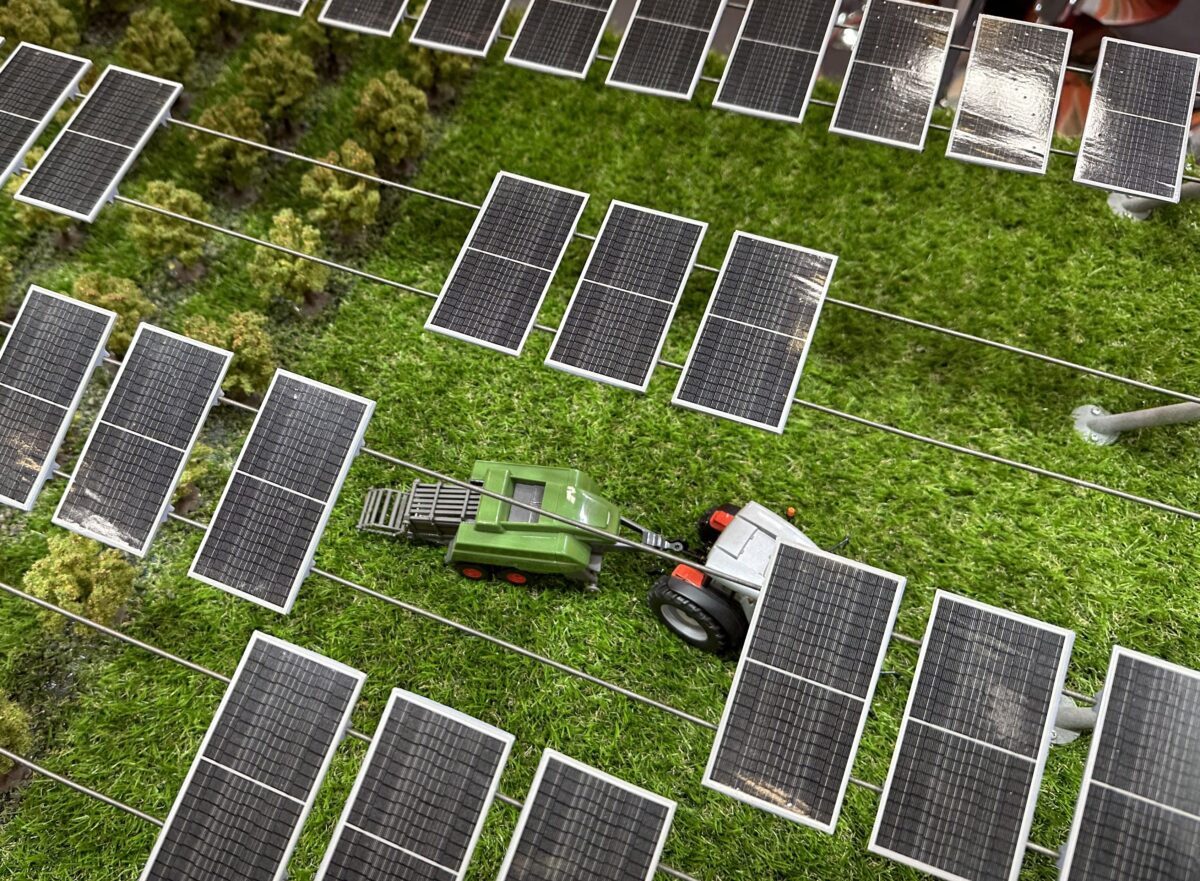
New York awards $7 million for co-located solar and farming
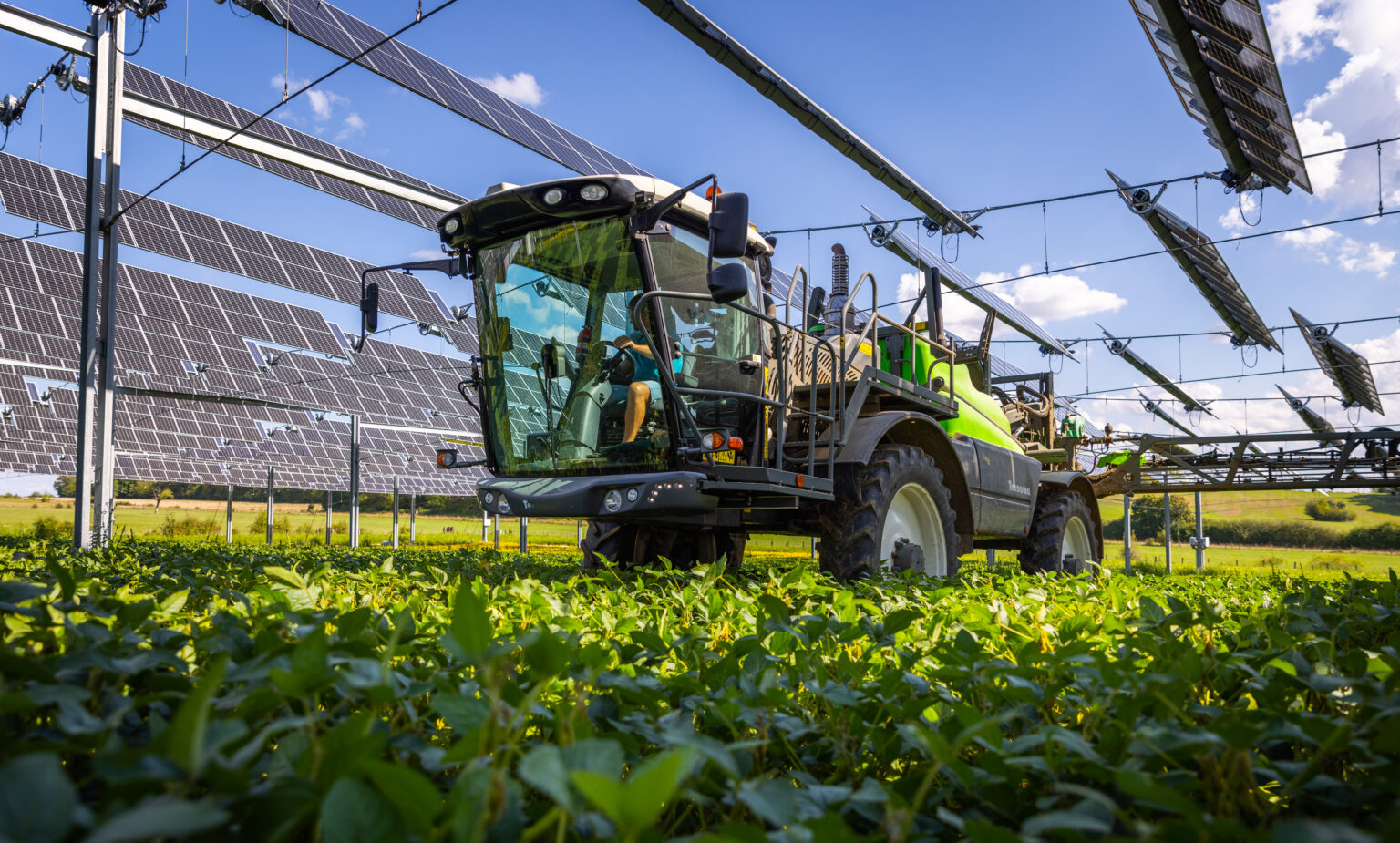
New York State has announced over $7 million in grants to advance agrivoltaics, the dual-use practice of installing elevated solar panels over active farmland to produce clean energy while sustaining agricultural operations. The funding, administered by the New York State Energy Research and Development Authority (NYSERDA), includes more than $2 million awarded to four demonstration projects across regions such as the Capital Region, Finger Lakes, Hudson Valley, and Western New York, supporting systems that integrate solar with grazing, cropping, livestock, and microgrid operations. An additional $5 million grant was awarded to Cornell University's College of Agriculture and Life Sciences to construct agrivoltaic installations at its research stations, where long-term studies will evaluate crop performance, soil health, water management, and solar generation under dual-use configurations. NYSERDA says the initiative will help clarify the costs, benefits, and best practices of agrivoltaics while providing additional revenue streams for farmers and strengthening rural economies as part of the state's clean energy transition strategy.Read More
|
|
Agrivoltaics Poised to Play Key Role as U.S. Energy Demand Surges, Says IEEFA Report
A new IEEFA (Institute for Energy Economics and Financial Analysis) report emphasizing the growing role of agrivoltaics the practice of combining solar panels with active farming on the same land in meeting rising electricity demand in the United States. As energy consumption grows due to electrification, data centers, and AI, agrivoltaics offers a solution that can expand renewable energy while also supporting agricultural productivity and rural economies. The report shows that agrivoltaics installations in the U.S. have more than doubled since 2020, and with supportive policy, the approach could boost crop yields, reduce water use, and provide new revenue streams for farmers.Read More
|

|
SolarPower Europe publishes guide for agrivoltaics
SolarPower Europe has released a comprehensive agrivoltaics handbook designed to support farmers, solar developers, and policymakers in planning and implementing agrisolar projects. The guide outlines 10 different agrisolar system archetypes including elevated PV over cropland, inter-row PV, livestock grazing systems, and solar installations on farm buildings and explains their business cases, agricultural and environmental impacts, and real-world examples. It highlights potential benefits such as crop yield increases of up to 60%, improved soil carbon storage and water retention, and higher pollinator presence under certain configurations. The handbook also provides revenue models for farmers (such as land lease payments and energy cost savings) and calls on European policymakers to create supportive frameworks, including simplified permitting, grid connection processes, and incentives that help farmers participate in agrivoltaic development. SolarPower Europe emphasizes the need for policies that link agricultural and energy objectives for example, ensuring agrisolar systems remain eligible for Common Agricultural Policy payments to fully unlock the 'win-win-win' benefits for agriculture, energy, and societyRead More
|
|
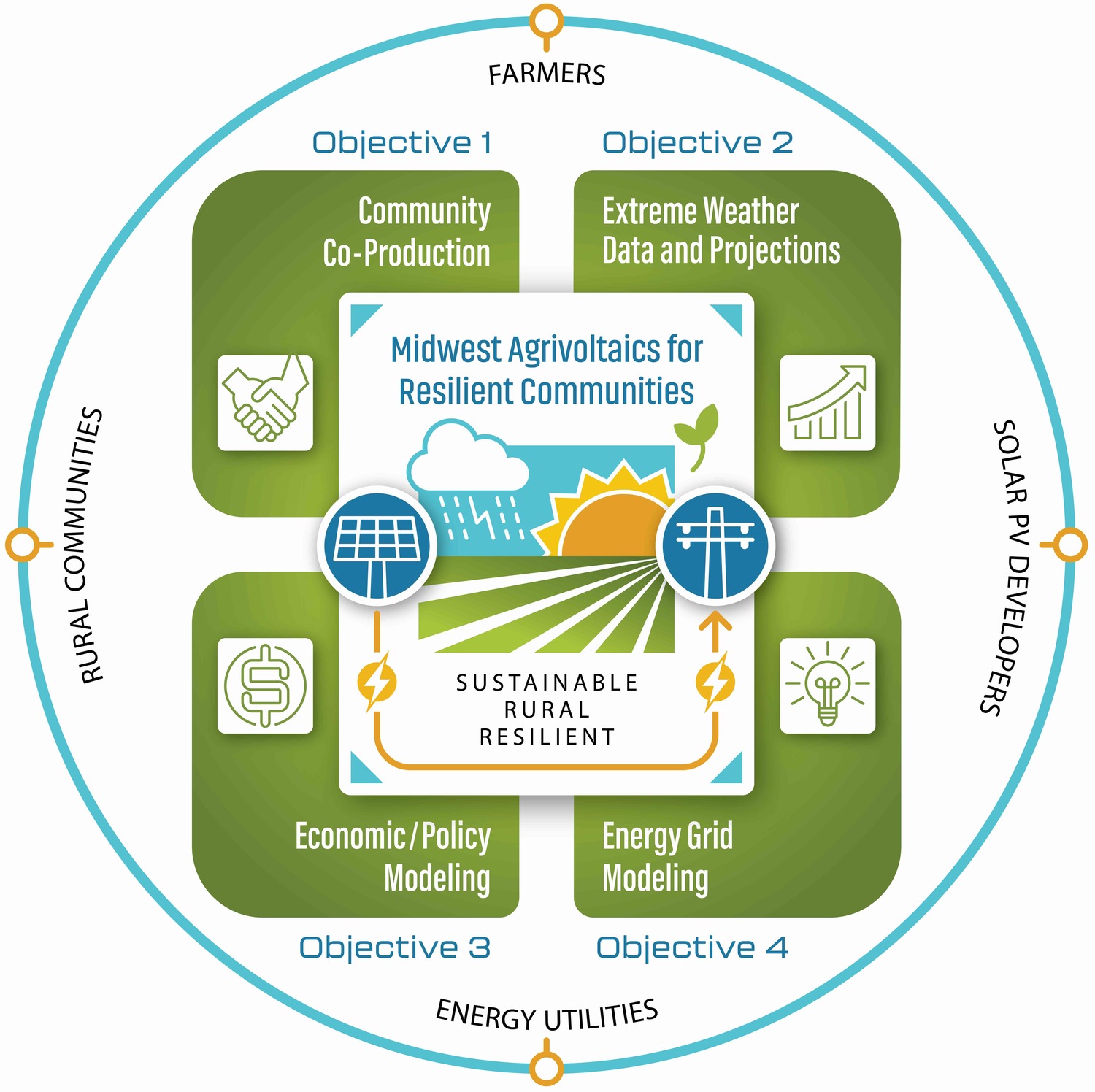
Powering Rural Futures: Purdue's Agrivoltaics Initiative for Sustainable Growth
Purdue University has launched an agrivoltaics initiative focused on integrating solar energy with agricultural production to support rural development. The program emphasizes research, farmer outreach, and extension services to evaluate how dual-use solar systems can enhance farm income, land productivity, and long-term sustainability.Read More
|
|
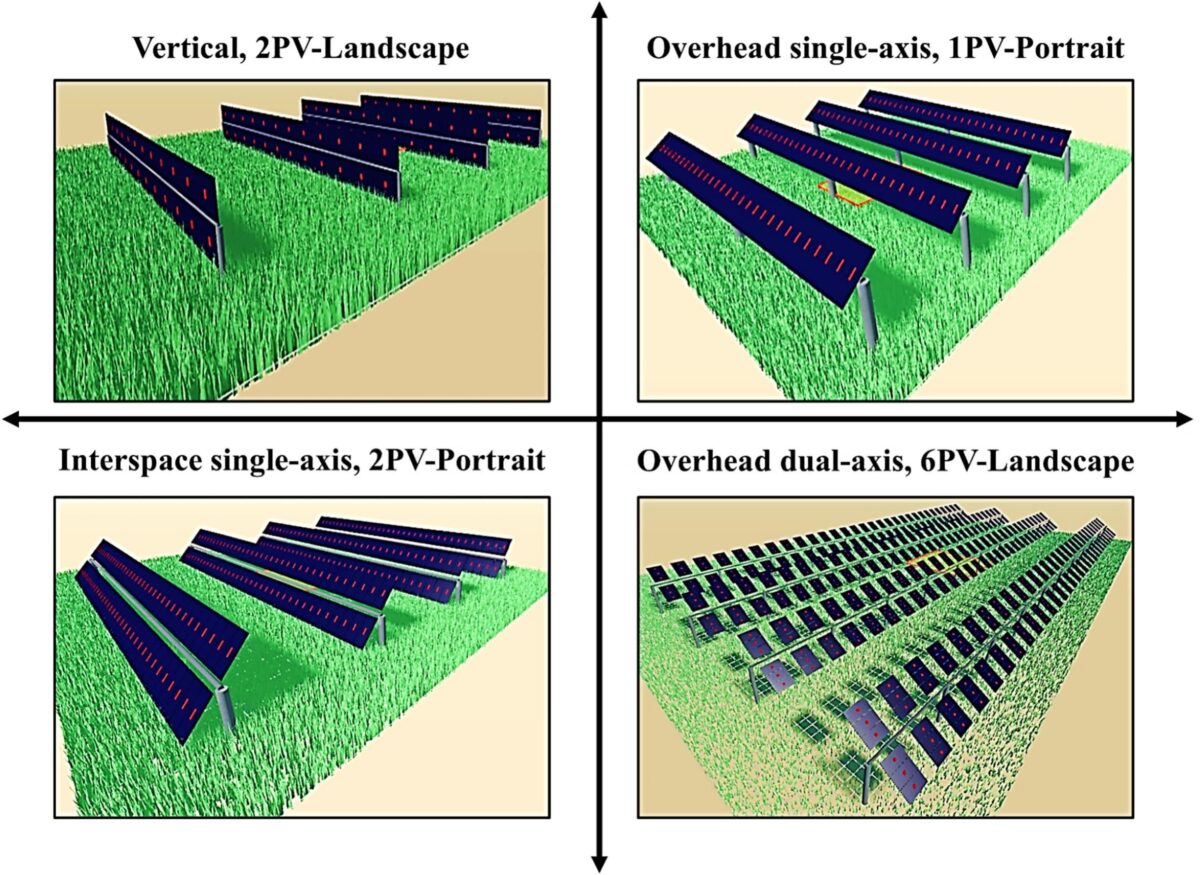
Interspace single-axis agrivoltaics has lowest environmental impact in Europe
A group of scientists has simulated fixed vertical, interspace and overhead single-axis as well as overhead dual-axis agrivoltaic systems for 30 years and has found interspace single-axis system emerged as the most environmentally favorable configuration in Europe.Read More
|
|
How Agrivoltaics Can Help Farmers Weather Uncertainty
Agrivoltaics is increasingly being recognized as a strategy to help farmers address economic and climate-related uncertainties. By combining crop production with solar energy generation, farmers can diversify income sources while benefiting from reduced heat stress and improved microclimatic conditions for crops.Read More
|

|
Agrivoltaic project to revive vegetable cultivation in Corsica
An agrivoltaic pilot project in Corsica is supporting the revival of vegetable farming in climate-stressed regions. Elevated solar panels provide partial shading that helps regulate temperature and soil moisture, enabling continued agricultural production alongside renewable energy generation.Read More
|
|
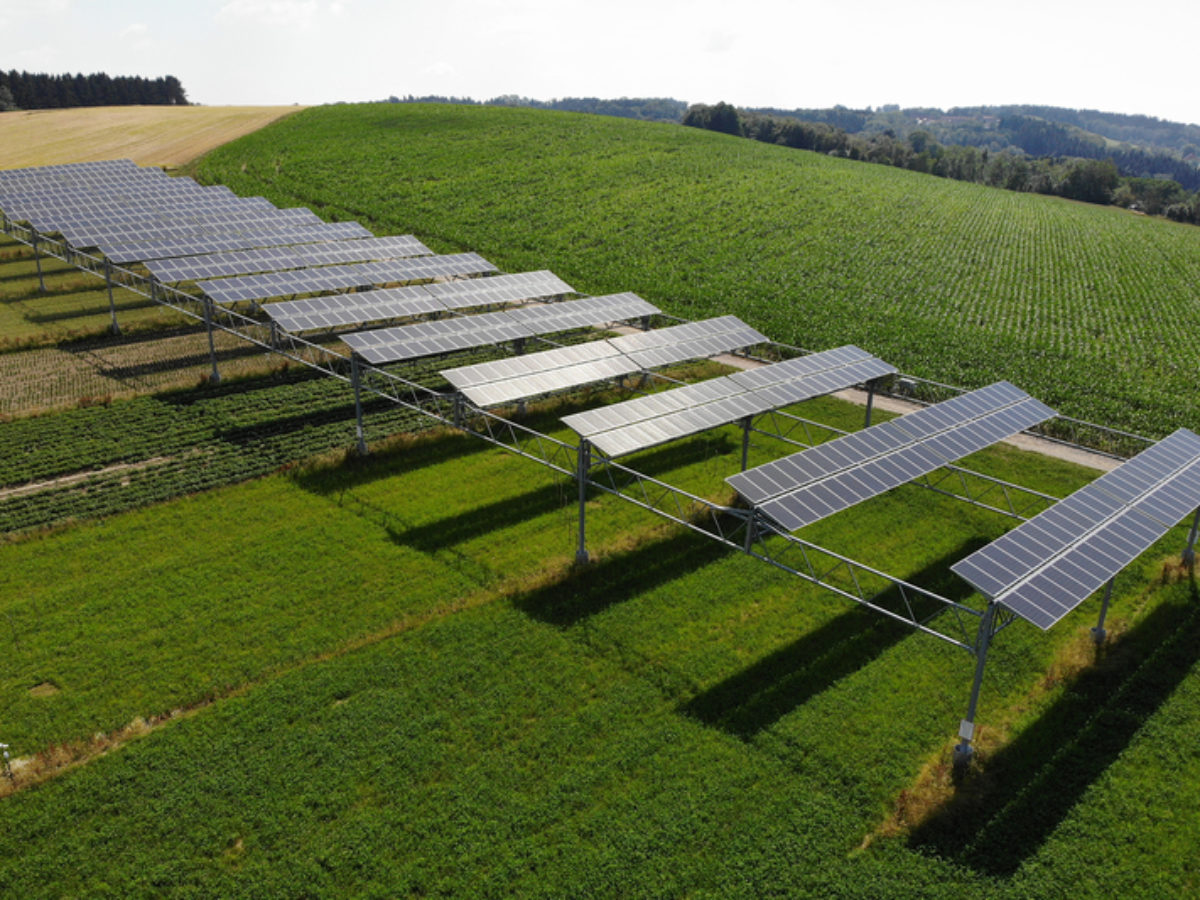
Murcia region channels 87 million Pounds into agrivoltaics and floating PV
Spain's Murcia region has earmarked 87 million Pounds in European Union funding to support agrivoltaic and floating solar installations. The initiative aims to advance renewable energy deployment while preserving agricultural land and improving resource efficiency.Read More
|
|
Solar panels over crops may boost farmworkers' comfort
Recent research indicates that installing solar panels above crops can significantly reduce ground-level temperatures, improving thermal comfort for farmworkers. The findings highlight agrivoltaics as a solution that delivers social and occupational health benefits in addition to energy and agricultural gains.Read More
|
|
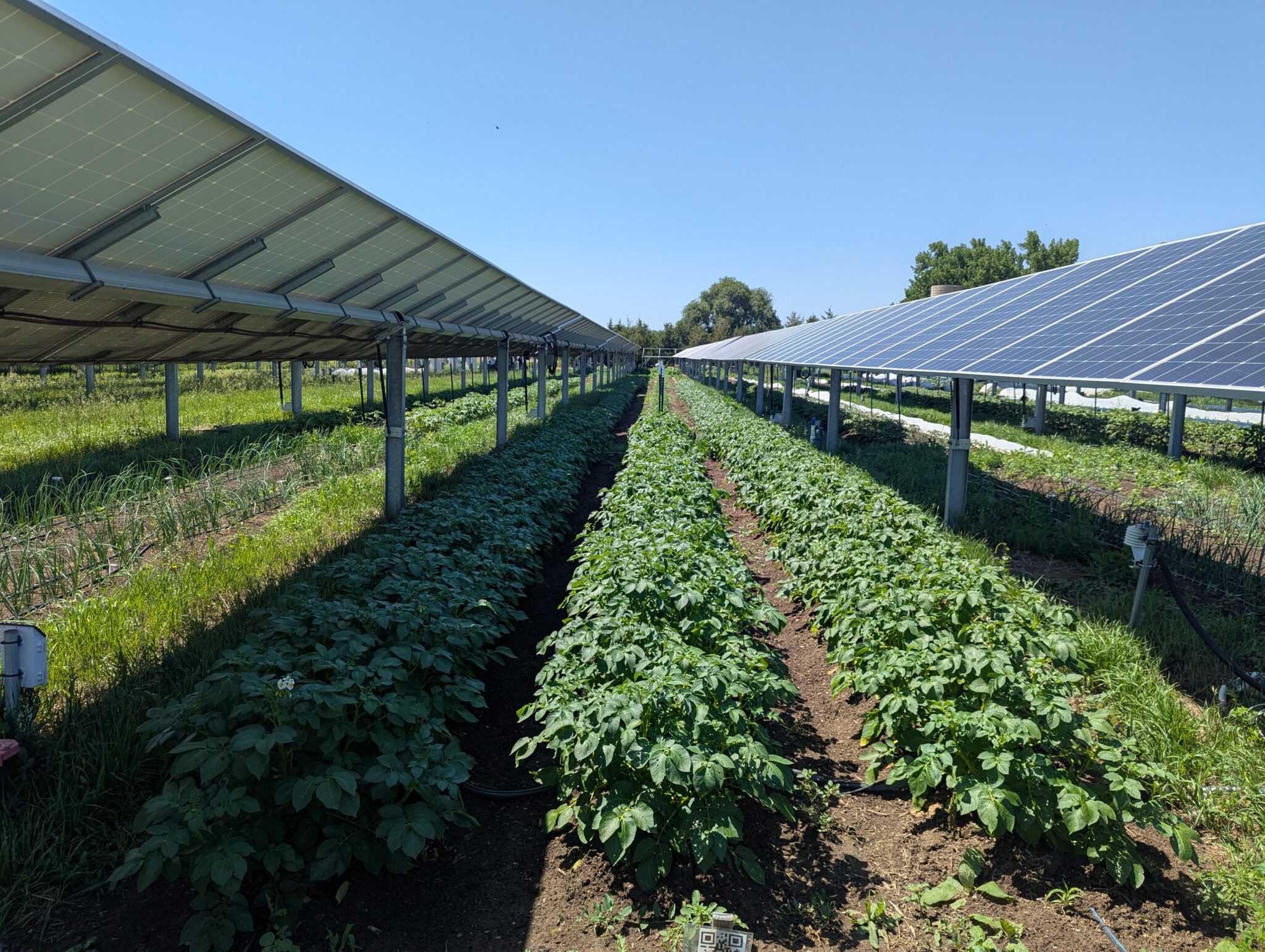
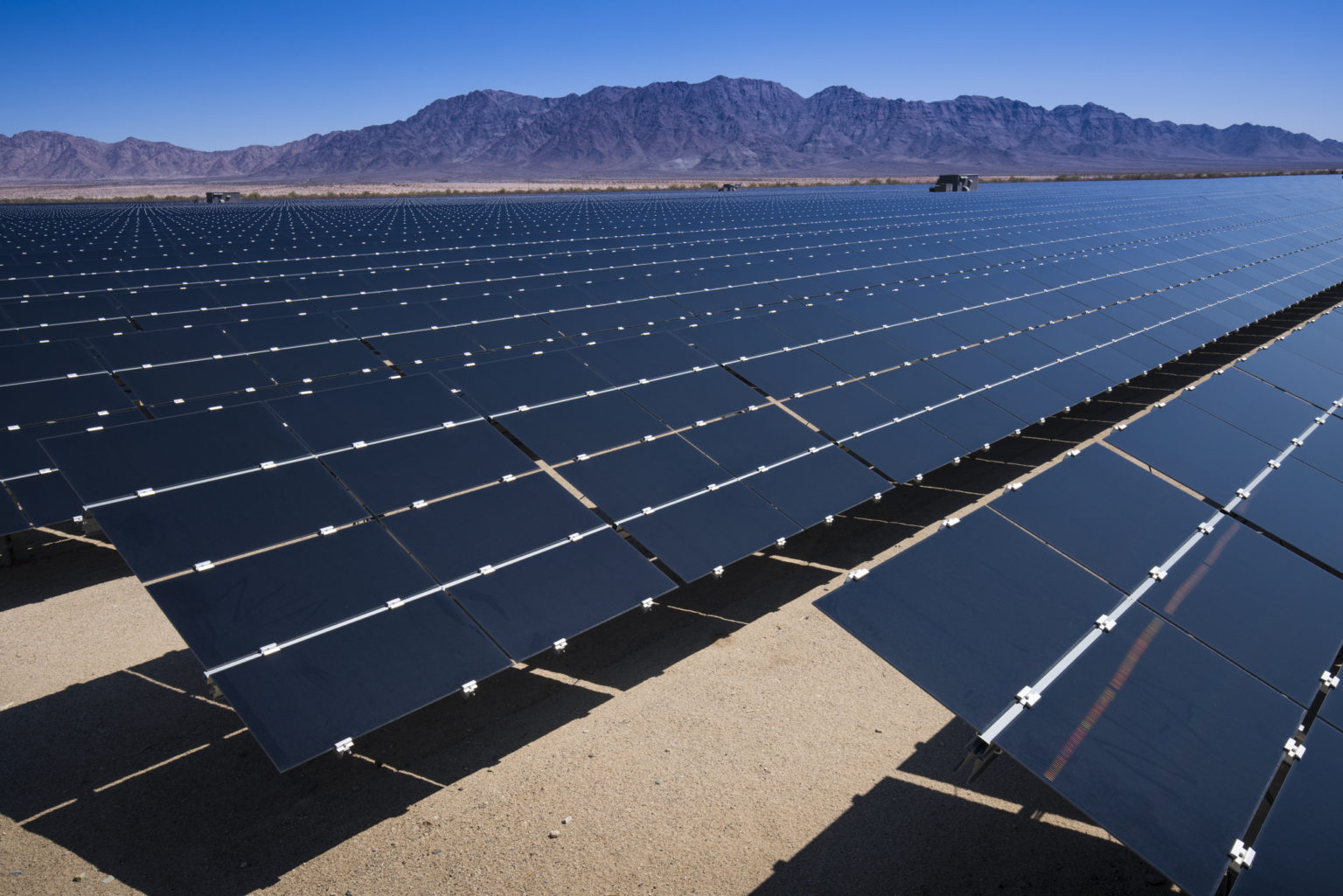
New framework quantifies solar land use with unprecedented detail
A newly developed framework offers a detailed method for quantifying land use across different solar deployment models. The approach supports informed decision-making by allowing comparisons between conventional solar farms and agrivoltaic systems in terms of land efficiency and sustainability.Read More
|
|
Farmers can help to advance state's energy needs
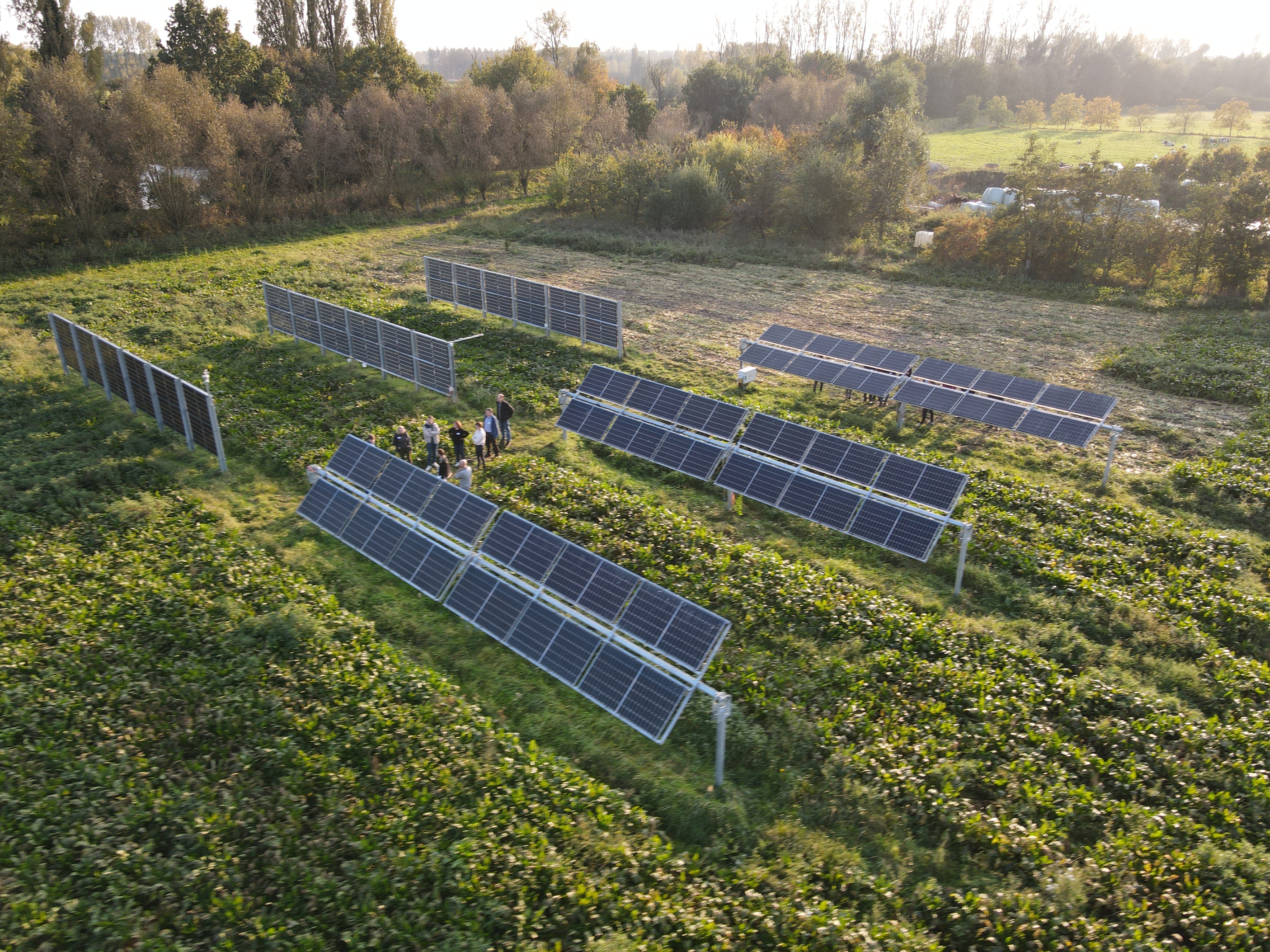
This article explores how agrivoltaics could help meet Washington State's growing renewable energy demands without sacrificing valuable farmland. Instead of converting agricultural land entirely to solar farms, agrivoltaic systems allow solar arrays to be installed while maintaining crop production and livestock grazing underneath the panels. The piece highlights research collaborations and farmer surveys showing strong local interest in dual-use solar systems that support energy goals, protect agricultural land, and improve environmental outcomes.Read More
|
|
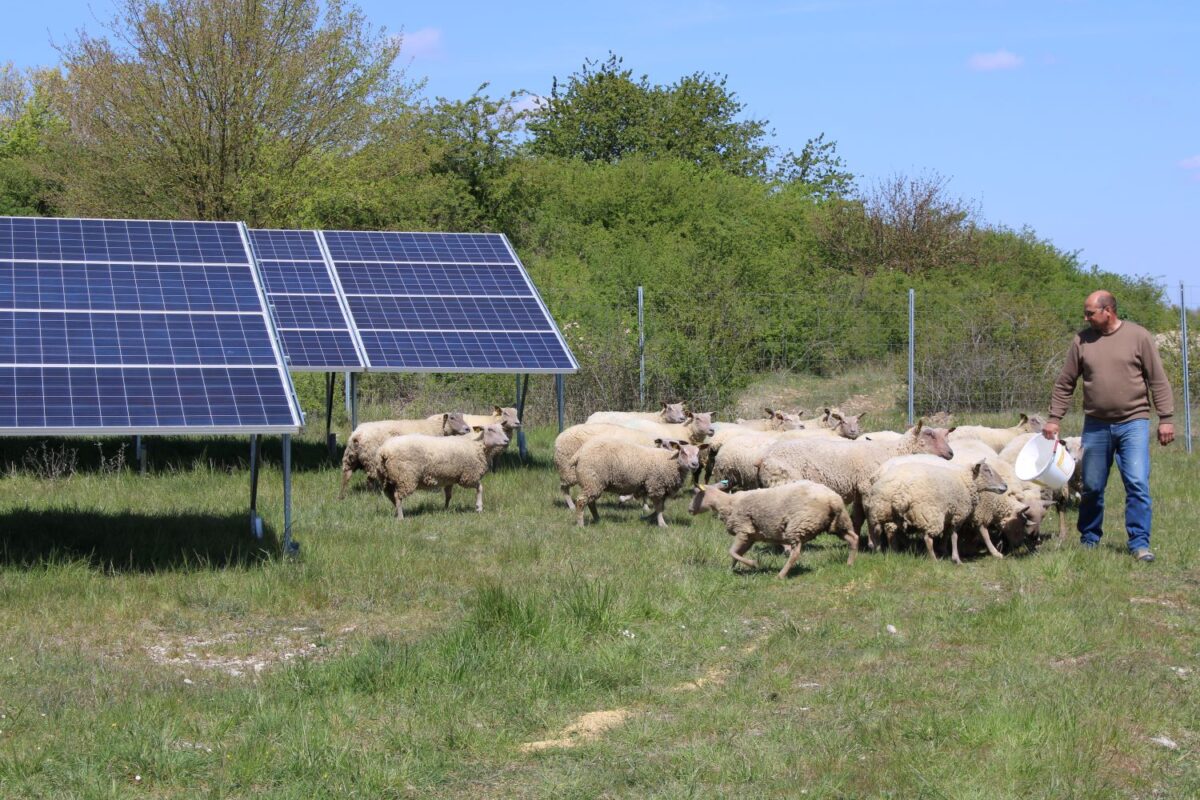
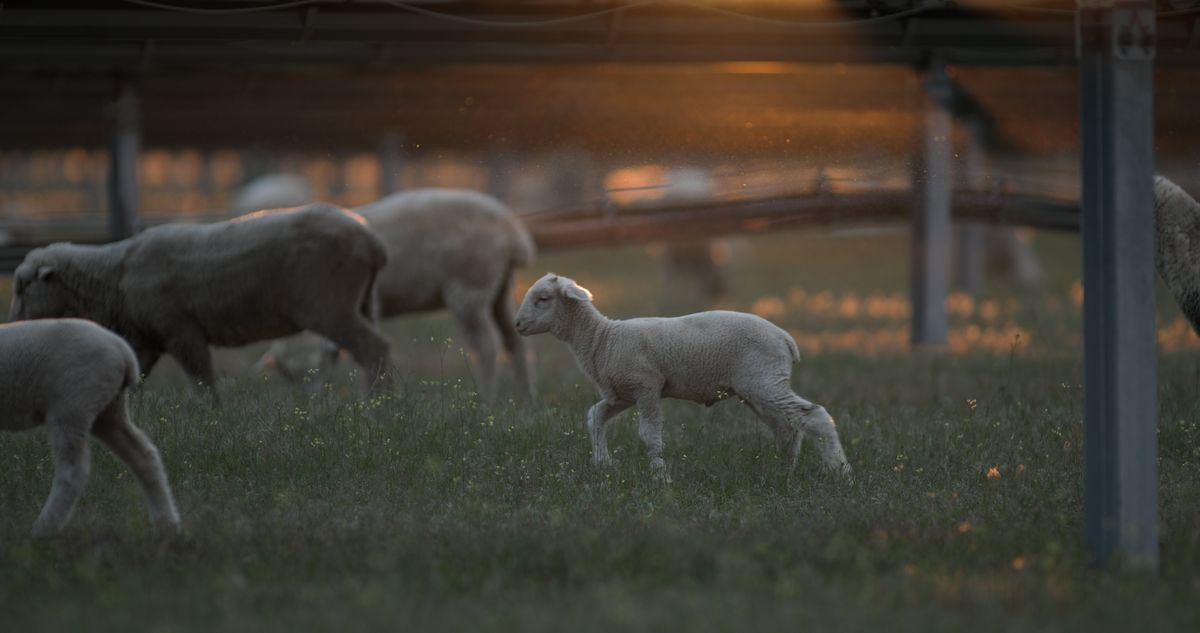
Solar power and farming can co-exist on the same land. Just ask Cameron Krebs' sheep
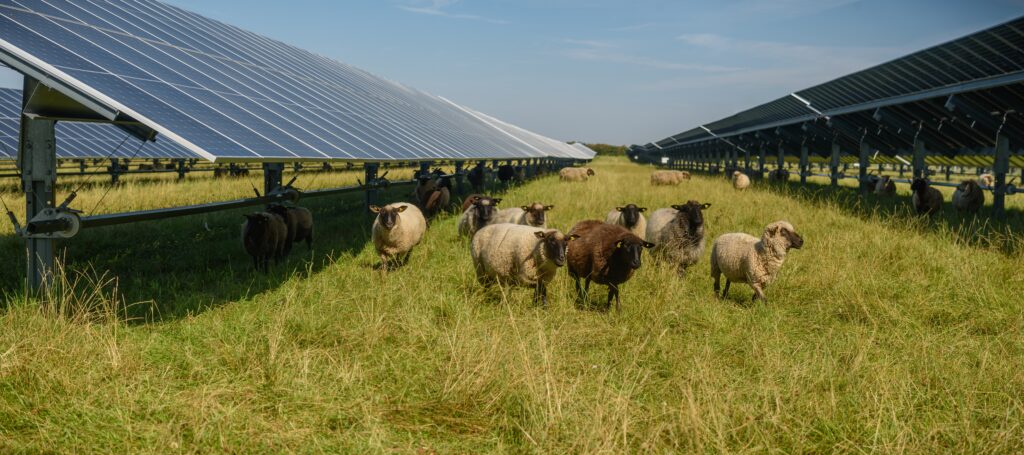
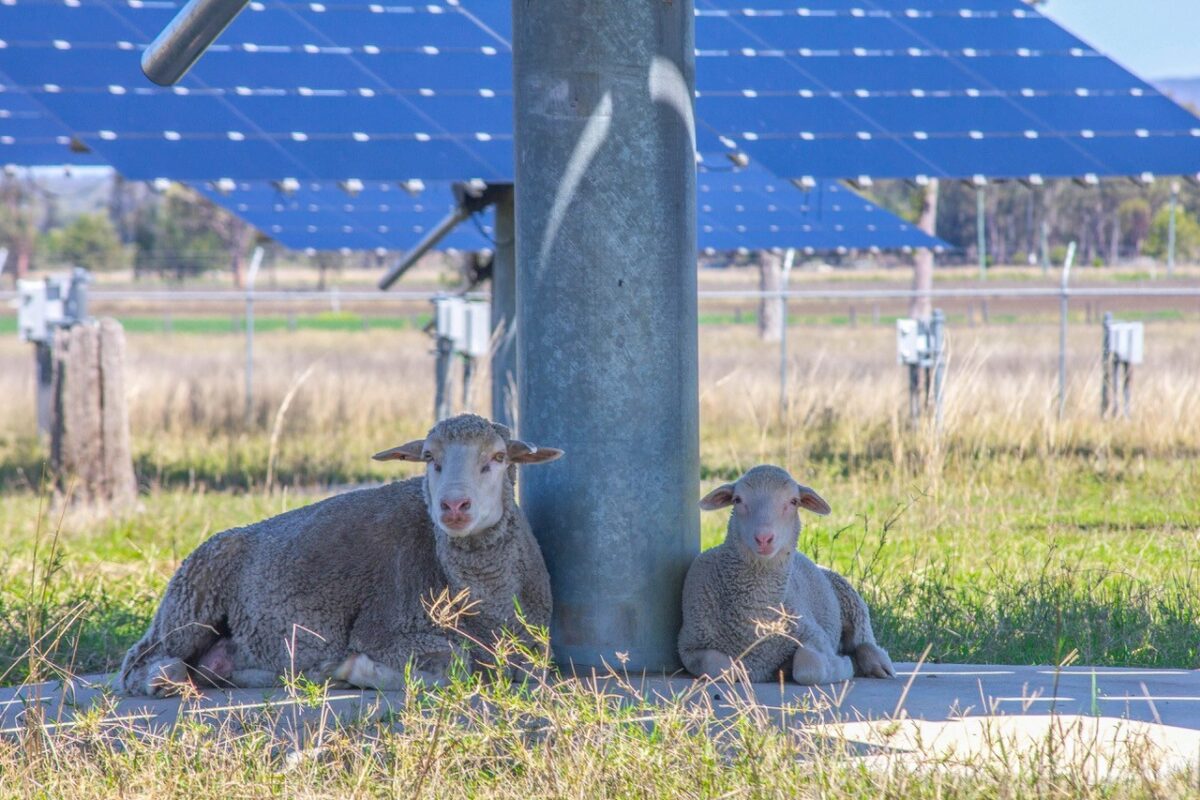
This story showcases agrivoltaic practices in the Pacific Northwest, where thousands of sheep graze beneath solar panels across thousands of acres. It illustrates how co-locating agriculture and solar energy can support both clean energy generation and ecosystem health. The article explains the practical benefits of agrivoltaics and related ecovoltaics approaches, including vegetation management and shading advantages, while pointing to broader renewable energy needs in the regionRead More
|
|
Ecosuntek acquires 35 MWp agrivoltaic projects
Ecosuntek, a renewable energy developer, has acquired a portfolio of 35 MWp agrivoltaic projects, signaling growing commercial interest in solar-agriculture hybrid systems. The acquisition reflects investor confidence in agrivoltaics as a scalable solution for clean energy and sustainable land use.Read More
|

|
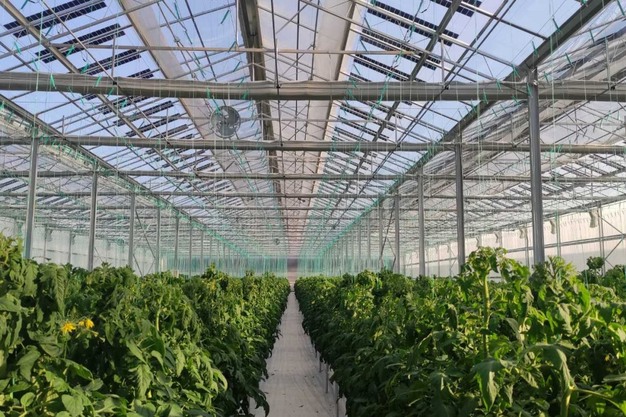
Photovoltaic Greenhouse Market Set to Witness Massive Growth by 2032
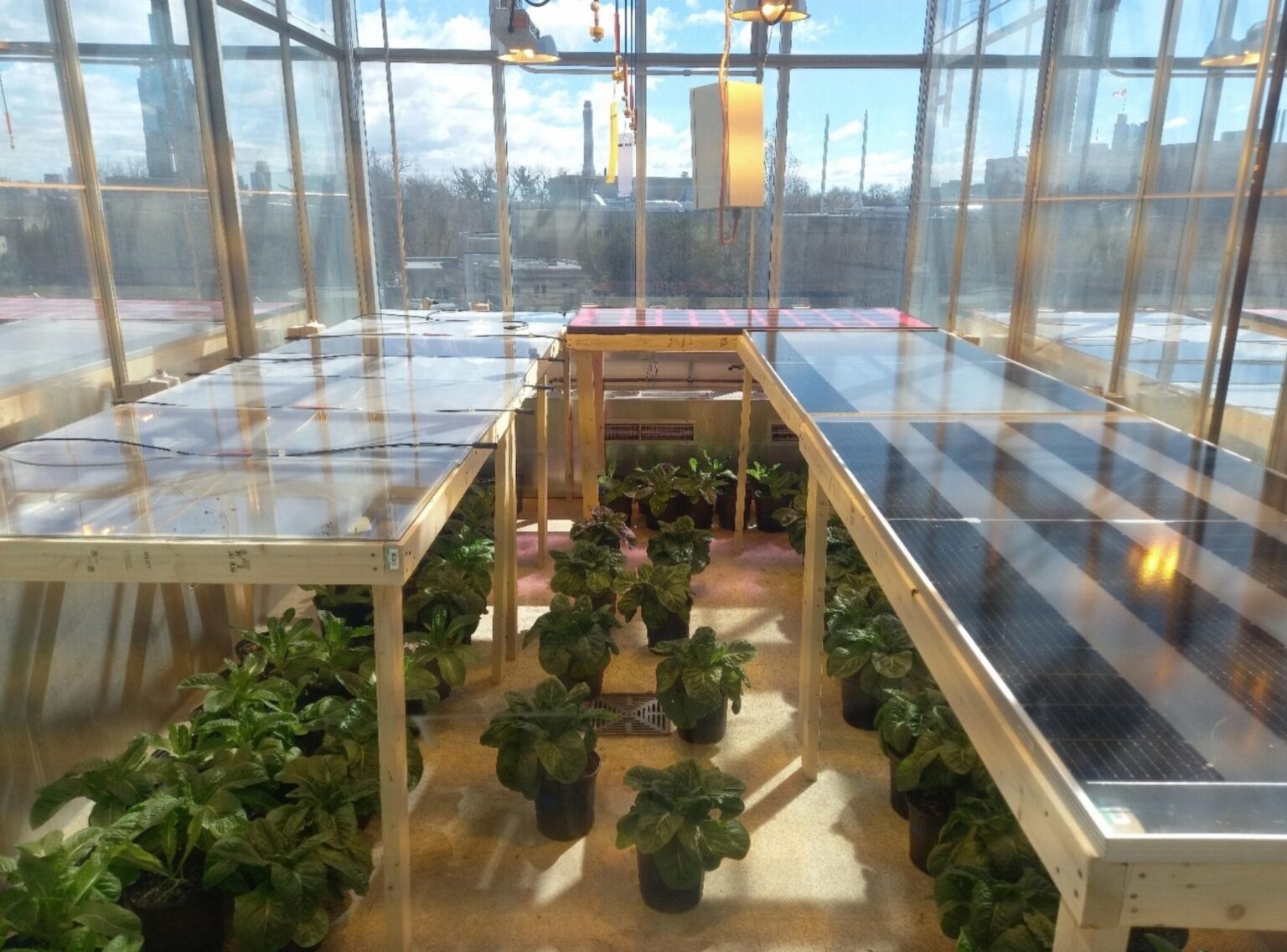
According to a recent market study, the photovoltaic greenhouse sector is projected to experience substantial expansion through 2032, driven by rising global demand for sustainable agricultural practices and renewable energy integration. The report highlights strong market dynamics across regions, technological innovation, and growing investment interest in systems that combine solar power generation with controlled-environment agriculture. This growth reflects broader trends toward dual-use land solutions that support both food production and clean energy goals.Read More
|

|
Sunlit Pastures: University of Minnesota agrivoltaics research may yield dual harvests of food and energy.
This article explores agrivoltaic applications in grazing systems, where solar panels provide shade for livestock while the land supports both energy production and pasture growth. The model shows improved animal comfort and added revenue through renewable energy.Read More
|

|
Our patented nano-coating absorbs ultraviolet light and re-emits it as red light, supporting photosynthesis
A new nano-coating technology that converts ultraviolet light into red light is being tested to boost crop performance under solar installations. By enhancing photosynthesis, this innovation offers a promising approach to optimize plant growth in agrivoltaic and greenhouse environments.Read More
|
|
French renewables tender awards all 507.7 MW to solar
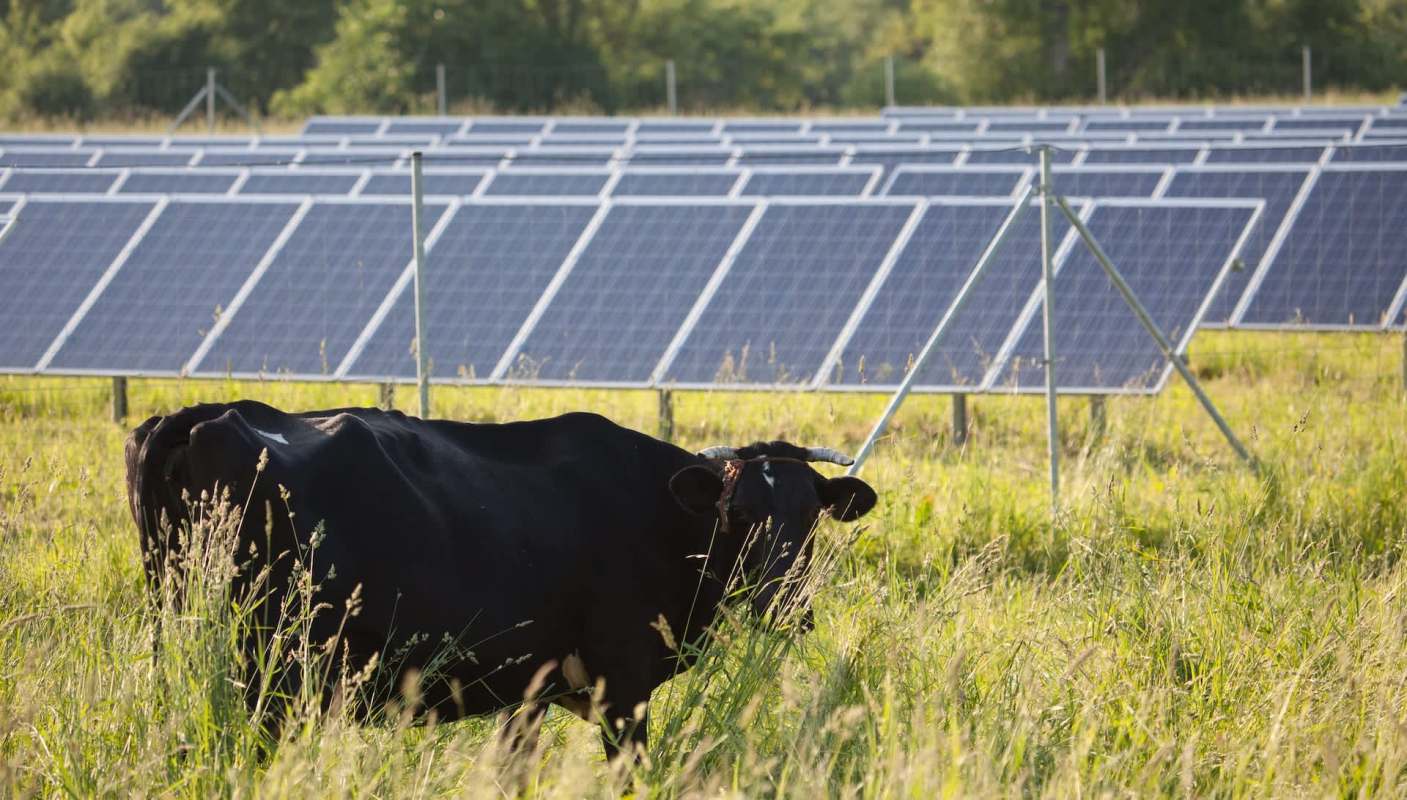
A recent article highlights how agrivoltaics is evolving beyond traditional crop or sheep grazing systems by incorporating cattle grazing under solar panels, driven by new technology called CattleTracker. This system allows solar panels to automatically adjust their orientation when cattle are nearby, preventing damage while enabling livestock to graze safely beneath the array. The dual-use model supports farmers and ranchers in diversifying income streams, optimizing land use, and enhancing pasture management illustrating the growing innovation at the intersection of renewable energy and agriculture.Read More
|
|
Agrivoltaics as a method for critical ecosystem preservation: Introducing ecovoltaics
The concept of ecovoltaics expands agrivoltaics beyond agricultural productivity to include ecosystem preservation. The approach focuses on designing solar installations that actively support biodiversity, soil health, and ecological restoration while generating renewable energy.Read More
|
|
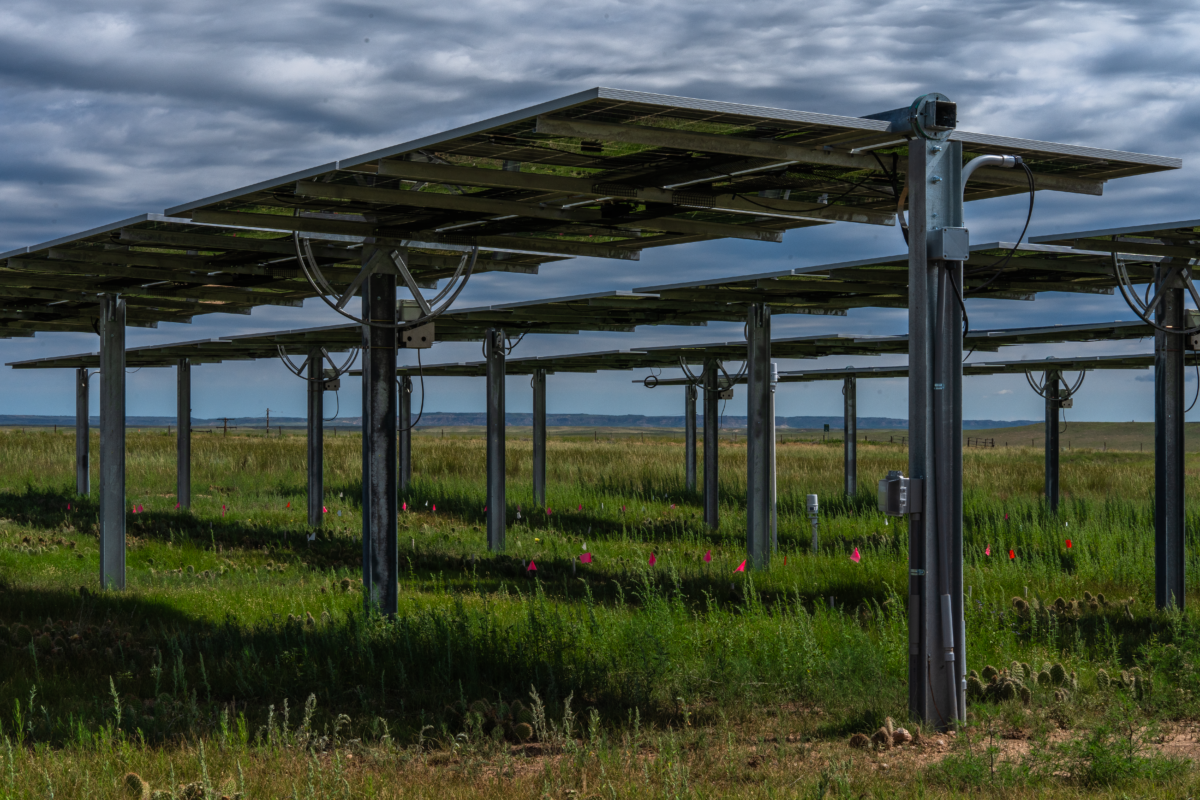
Agrivoltaics for sorghum, soybean grain
The research, conducted in the United States, found that partial shading from solar panels can reduce grain numbers in both crops. However, sorghum demonstrated greater adaptability by compensating with heavier grains, while soybean showed consistent yield reductions regardless of shading intensity. Despite these differences, the study highlights that agrivoltaic systems can improve overall land-use efficiency by enabling simultaneous food and energy production, emphasizing the importance of crop selection and management in agrivoltaic project design.Read More
|
/saur-energy/media/post_attachments/2023/03/agrivoltaics-agrivoltaic.jpg)
|
|
`
Address: 35-137, 1st Floor, Rectangle-1, D-4,
Saket District Centre, New Delhi - 110017
© 2025 India Agrivoltaics Alliance(IAA)
|
|