|
|
|
|
|
|
The AgriSolar Bulletin: July - September Edition
|
|
|
India
|
|
Major News Highlights
|

|
Karnataka Accelerates Solar Push to Power Agriculture Through Kusum-C Scheme - EQ
Karnataka has commissioned 200?MW of solar power under the PM Kusum-C scheme to supply daytime electricity for farm irrigation. An additional 545 MW is expected soon across 93 locations. Aimed at clean energy and farmer welfare, the state plans to scale up to 2,400?MW under the scheme, using subsidised land and solarising agricultural feeders for sustainable rural electrification.Read More
|

|
Andhra Pradesh poised to emerge as a model for other States in agrivoltaics, says NSEF CEO
National Solar Energy Federation of India (NSEFI) CEO Subrahmanyam Pulipaka has stated that Andhra Pradesh's commitment to Renewable Energy (RE) and sustainable agricultural practices provided a unique opportunity to integrate 'agrivoltaics' in a manner that benefits both agriculture and energy sectors. NREDCAP Vice-Chairman & Managing Director M. Kamalakar Babu said A.P. had been a front-runner in the adoption of solar energy, and agrivoltaics could further strengthen the rural economy and energy resilience.Read More
|
|
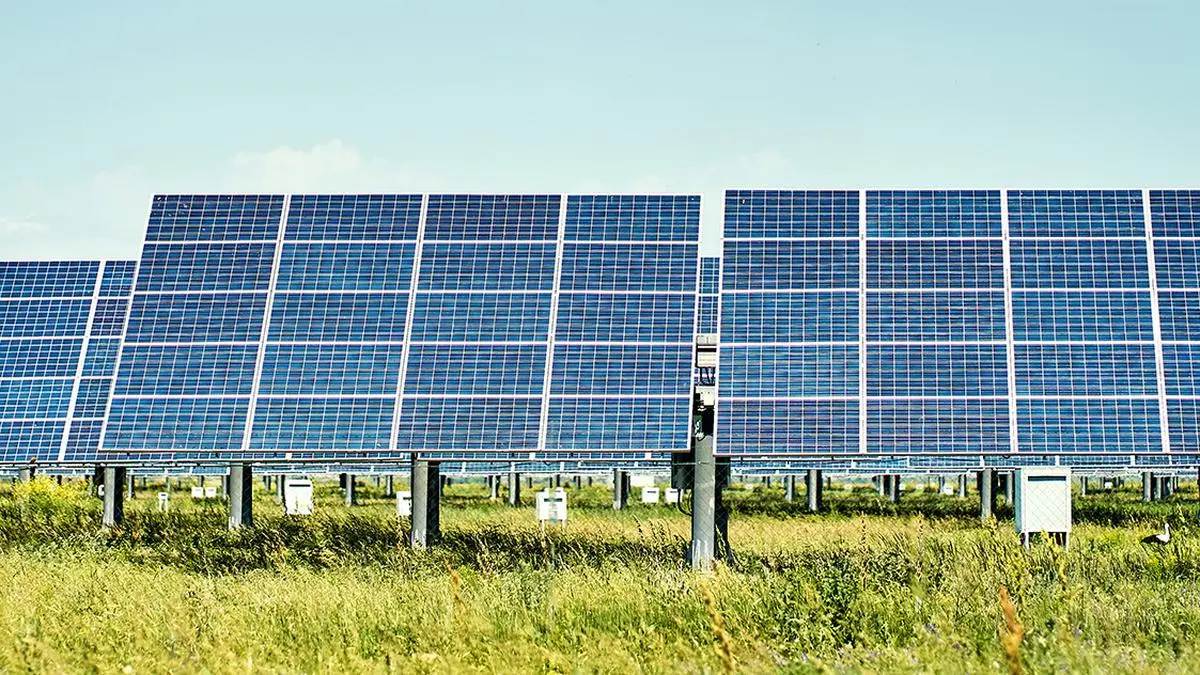
Agrivoltaics can help India increase RE coverage, boost farmer's income
TERI estimates India's total solar power potential at around 10,830 GW with potential from ground mounted solar PV on barren and unculturable land being the highest at 4,909 GWRead More
|
|
Renewable projects: Iberdrola, Reliance Infra, NHPC, Blueleaf
Iberdrola is launching an agrivoltaic project in the Basque Country, combining renewable energy with agriculture by installing solar panels above apple orchards. The initiative supports the company's strategy of dual land use, enhancing sustainability while addressing the energy transition. Though the capacity details are undisclosed, the project reflects targeted investment in innovative solar-agriculture integration. The technology focus is on agrivoltaics, which optimises land use, improves crop conditions through shading, and reduces water stress. For customers, it provides renewable electricity with minimal environmental impact while preserving food production. Innovation lies in merging clean power generation with farming, benefiting local communities, farmers, and consumers. This project underlines Iberdrola's customer-centric approach and commitment to climate-resilient, sustainable infrastructure.Read More
|

|
The Solar Surge: India's Bold Leap Toward a Net Zero Future
The PM-KUSUM Scheme supports farmers in using solar energy instead of diesel. Farmers can get a 30% to 50% subsidy to install new solar pumps or convert old pumps to solar. They can also build solar power plants up to 2 MW on their own land and earn money by selling electricity to local DISCOMs. The scheme is carried out by state implementing agencies. Moreover, it is aimed at ensuring energy security for farmers in India, along with honouring India's commitment to increase the share of installed capacity of electric power from non-fossil fuels sources to 50% by 2030 as part of Intended Nationally Determined Contributions (INDCs).Read More
|
|
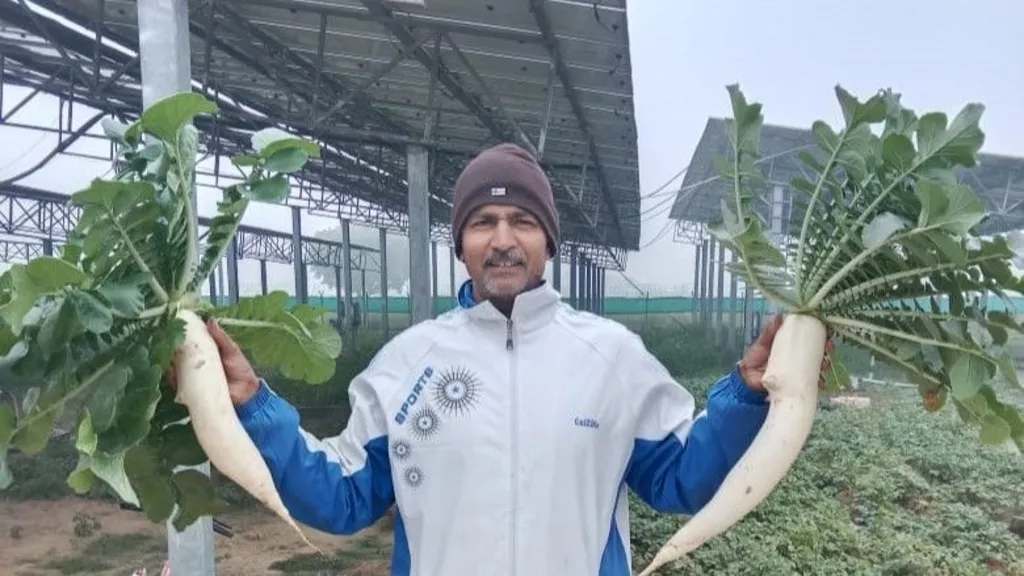
Will farming under solar panels take off?
This article explores the innovative concept of agrivoltaics; the dual use of land for solar energy generation and agriculture. It highlights how integrating solar panels with crop cultivation can boost land productivity, support renewable energy goals, and benefit rural economies. The piece delves into the feasibility, advantages, challenges, and real-world applications of this sustainable practice, while assessing its potential impact on food production and energy security.Read More
|

|
Agrivoltaics Market Projected to Reach USD 9.66 Billion by 2032, Growing at a CAGR of 10.2%
Agrivoltaics; the integration of solar PV systems with agricultural activities is gaining momentum as a sustainable, dual-use land strategy. By enabling both crop cultivation and solar energy generation on the same land, agrivoltaics enhances land use efficiency, diversifies farmer income, and supports environmental sustainability. With the global market projected to reach USD 9.45 billion by 2030 at a CAGR of 11.61% (2025-2030), this innovative approach is poised to reshape the future of farming and renewable energy.Read More
|
|
Uttar Pradesh bets on agrivoltaics to overcome land constraints in solar expansion
Uttar Pradesh is embracing agrivoltaics to overcome land constraints and boost renewable energy capacity, with pilot projects backed by the Asian Development Bank. By integrating solar panels with agriculture, the state aims to optimize land use and transition toward a 60:40 renewable-to-fossil fuel energy mix. Key initiatives include large-scale solar under PM-KUSUM, rapid rooftop solar adoption, and innovative projects like canal-top and expressway turbines. With 86% irrigation coverage and fertile land, agrivoltaics could be a game-changer for energy and agriculture in the state.Read More
|

|
Andhra Pradesh Poised to Lead India in Agrivoltaics with 2030 Mission
Andhra Pradesh is launching its Agrivoltaics Mission 2030 to integrate solar energy generation with agriculture, aiming to install 500 MW of agrivoltaic capacity. With the agriculture sector consuming over 30% of the state's electricity and driving an annual subsidy burden of Rs 10,500 crore, this initiative seeks to reduce costs while empowering farmers. Backed by the Integrated Clean Energy Policy 2024 and the Natural Farming Mission, the program leverages vast cultivable and wasteland areas. Farmers stand to gain economically, earning up to Rs 50,000 per acre annually through land leases or significantly more under developer-led models.Read More
|
|
|
Global
|
|
Major News Highlights
|
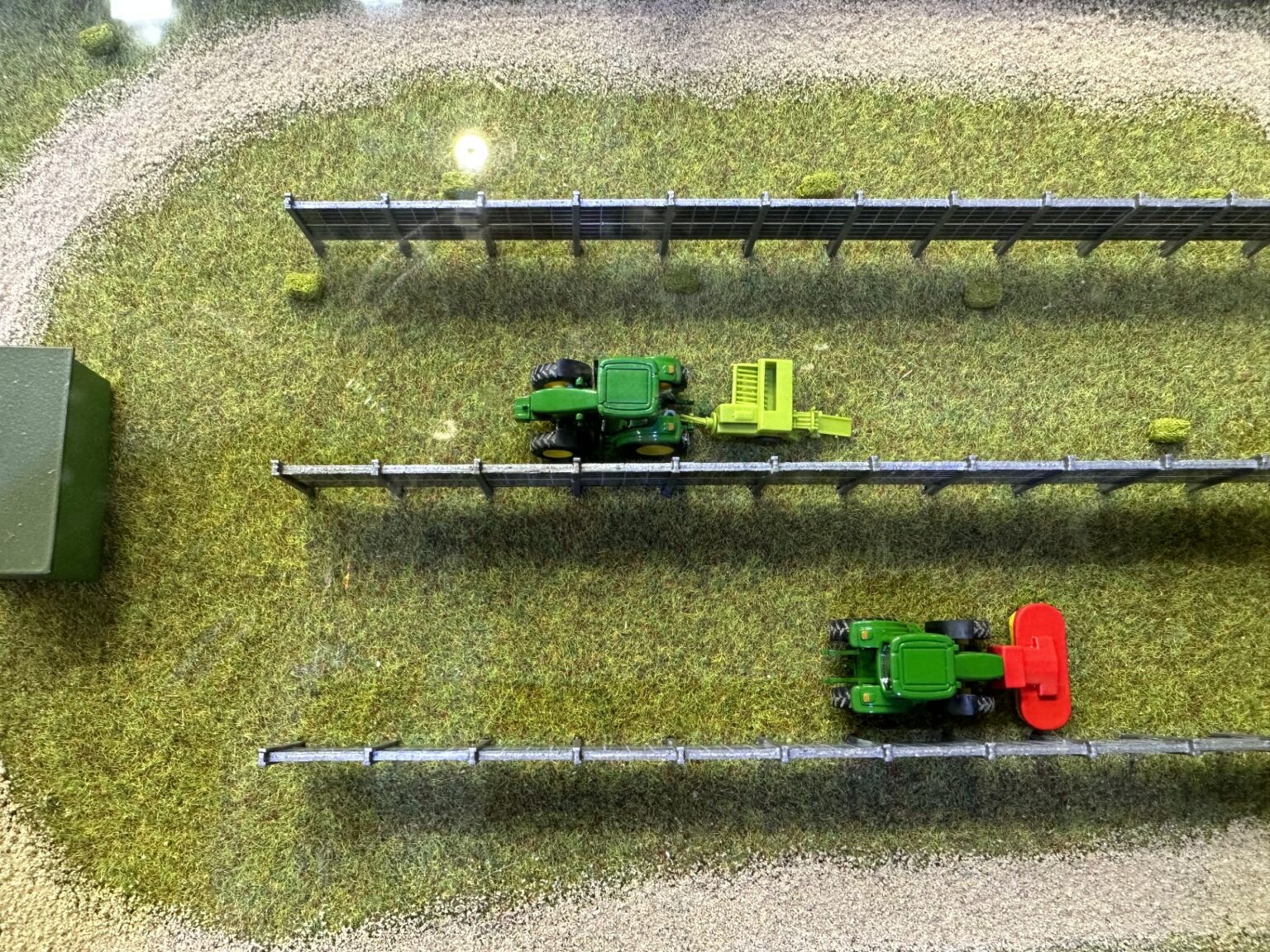
What standards for agrivoltaics?
The technology which combines solar PV panels and agriculture is gaining ground. IEC Standards for solar photovoltaic (PV) systems already exist, but more might be required, dealing with some of the more specific issues relating to agriculture.Read More
|
|
Agriovoltaics: Synergy between Solar Energy and Sustainable Agriculture for Mexico
Intersolar Mexico, the country's leading event for the solar industry, will hold its sixth edition from September 2 to 4, 2025, at Centro Banamex, Mexico City.
Read More
|

|
Agrivoltaics in Texas: Integrating Solar Power with Agriculture
Agrivoltaics, co-locating solar panels and crops-offers a path to diversify income, preserve farmland, and enhance climate resilience. With $2.2 million USDA funding, initiatives like UTRGV's VANGUARD project are supporting this shift. Agrivoltaics shows the most promise with high-value crops like berries, leafy greens, and grapes, and it supports pollinator habitats and agroforestry. Texas vineyards, such as Dos Rios Winery, have already seen 30% irrigation savings and quality improvements using this model. The sector is growing rapidly, with a global market projected to surpass $13.3 billion by 2033. Texas, with vast private land and favorable policies like the Inflation Reduction Act, is poised for leadership. Neighbouring Oklahoma has already passed legislation to support agrivoltaics. Despite challenges-like high upfront costs, zoning issues, and policy gaps-advocates call for smarter solar siting, better incentives, and farmer education. Read More
|

|
Why isn't agrivoltaics taking off in Arizona?
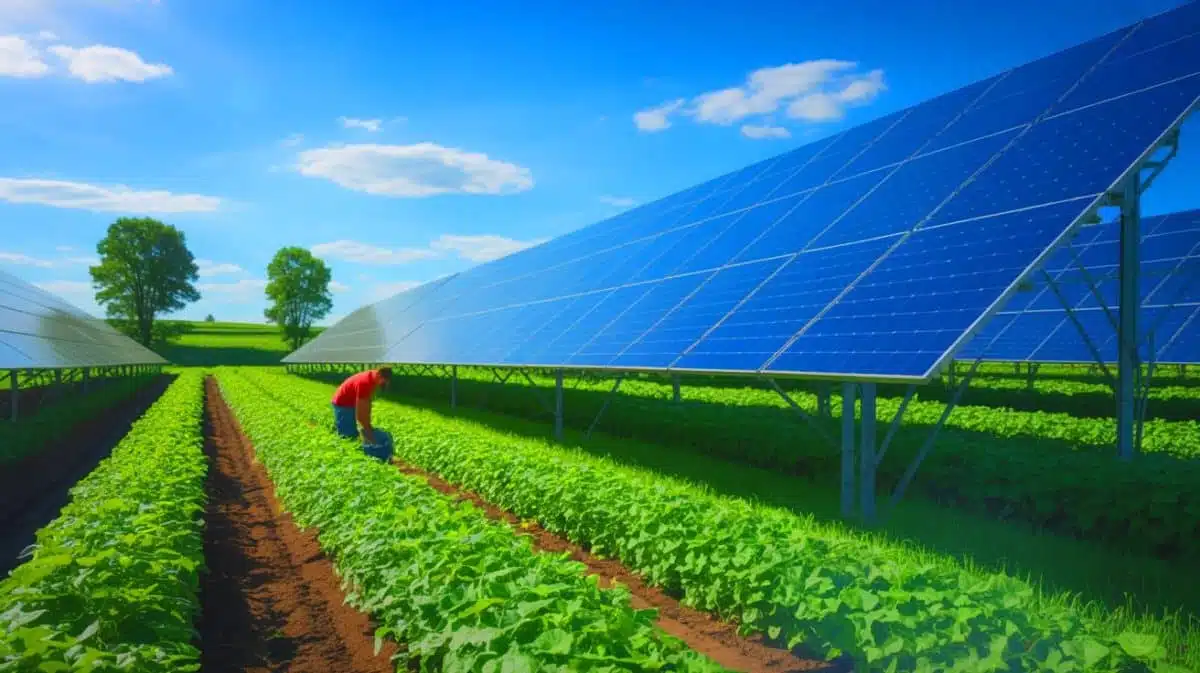
Greg Barron-Gafford, a researcher in agrivoltaics, observed thriving artichokes, herbs, garlic, and carrots growing under the shade of solar panels in Oracle, Arizona, despite extreme heat. The 3-meter-high panels provided crucial shade, reducing crop drying and heat stress, unlike nearby sun-exposed plants that had wilted. Conducted at the Biosphere 2 research facility, this experiment highlights the benefits of agrivoltaics in improving crop resilience. Barron-Gafford, who also works globally in countries like Kenya, Mexico, and Morocco, studies both the advantages and practical challenges of integrating agriculture with solar energy generation.Read More
|

|
"They're Farming the Sun and the Soil": Germany's Dual Harvest Fields Are Growing Food and Energy at the Same Time
Germany's Dual Harvest initiative combines solar panels with agriculture to enhance both food production and renewable energy generation. This approach, known as agrivoltaics, enables crops to grow under solar arrays, improving resource efficiency and promoting sustainability. Farmers benefit from reduced water consumption, better protection against extreme weather, and increased crop yields under partial shade conditions. Additionally, this dual-use model serves as a climate resilience strategy, significantly contributing to the country's renewable energy goals and carbon footprint reduction.Read More
|
|
"One of the largest investments in greenhouse technology in Australian history"
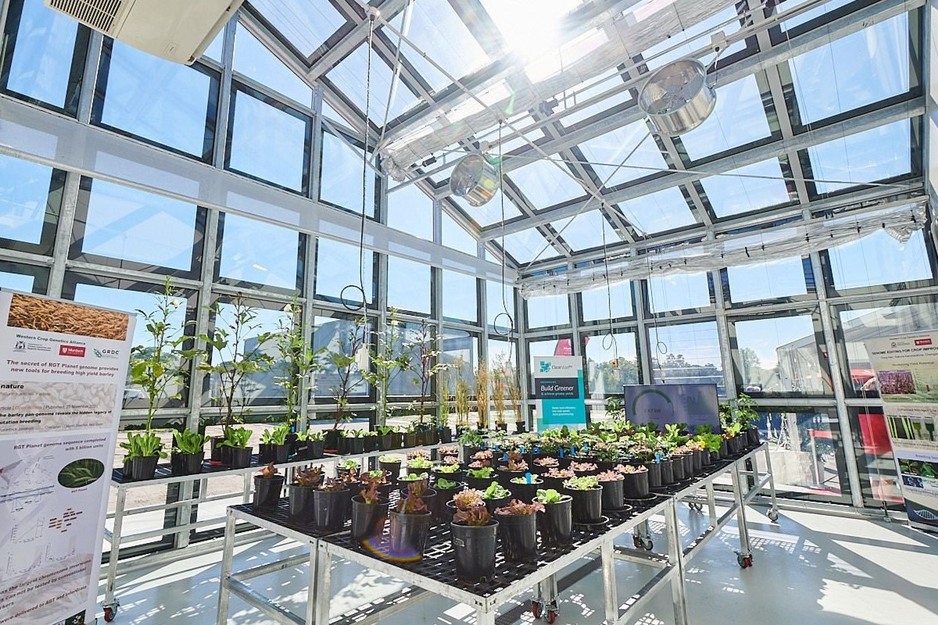
ClearVue's pioneering solar greenhouse technology, which has shown impressive results since its launch at Murdoch University in 2021, achieving 40% energy savings, reduced water usage, and higher crop yields over four growing seasons. Building on this success, ClearVue has partnered with RMIT University and 15 other organizations in a $20 million ARC Research Hub project, aiming to make Australia a global leader in smart, sustainable farming. The transparent solar glass technology developed by ClearVue stands out from traditional solar panels by maintaining optimal light conditions for plant growth while generating electricity. Its spectral control technology improves crop yields and quality while cutting energy and water consumption, crucial for climate-challenged regions like Australia.Read More
|
|
NREL develops translucent solar panels for bigger, better crops
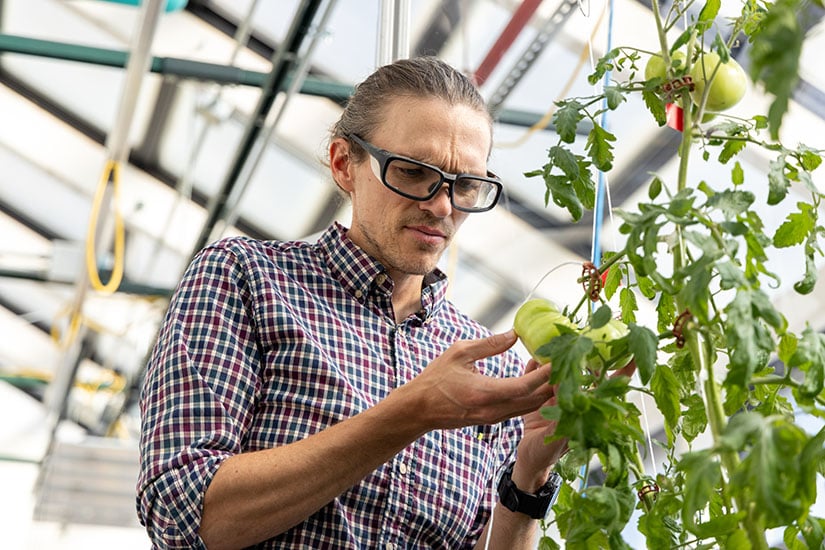
The study revealed that tomatoes grown under BioMatched light grew faster, taller, and larger than those under direct sunlight, despite receiving 30% less total light. This selective light exposure enhances photosynthetic yield, enabling better biomass production. Taste tests further confirmed that photovoltaic-grown tomatoes matched or exceeded the quality of control group tomatoes and surpassed store-bought organic tomatoes. The findings highlight significant potential for agrivoltaics, where solar panels and agriculture coexist. By tailoring light exposure, crops like tomatoes can thrive under solar installations, improving yields, water efficiency, and potentially the taste and quality of produce-offering a win-win for both farming and renewable energy sectors.Read More
|
|
Agrivoltaics: A social study - What Reddit Can Tell Us About Opposition To Solar Farming and What it Takes to Change Minds
Agrivoltaics can help nurse our disturbed lands back to life. In November of 2024, NREL published the longest-run, most comprehensive assessment of interactions between solar, soil, habitat, and pollinators to date. The research found that prairie restoration activities can occur underneath solar panels, with observed increased abundance and diversity of both vegetation and pollinators.Read More
|

|
Dual PV module cooling tech based on water, air
Scientists in Hungary have built an experimental rig that uses a 60 W polycrystalline solar panel with 152 holes drilled into its frame for air cooling, as well as high-conductivity copper alloy pipes and fins placed on its back for water cooling.Read More
|
|
Is Agrivoltaics The Future Of Farming?
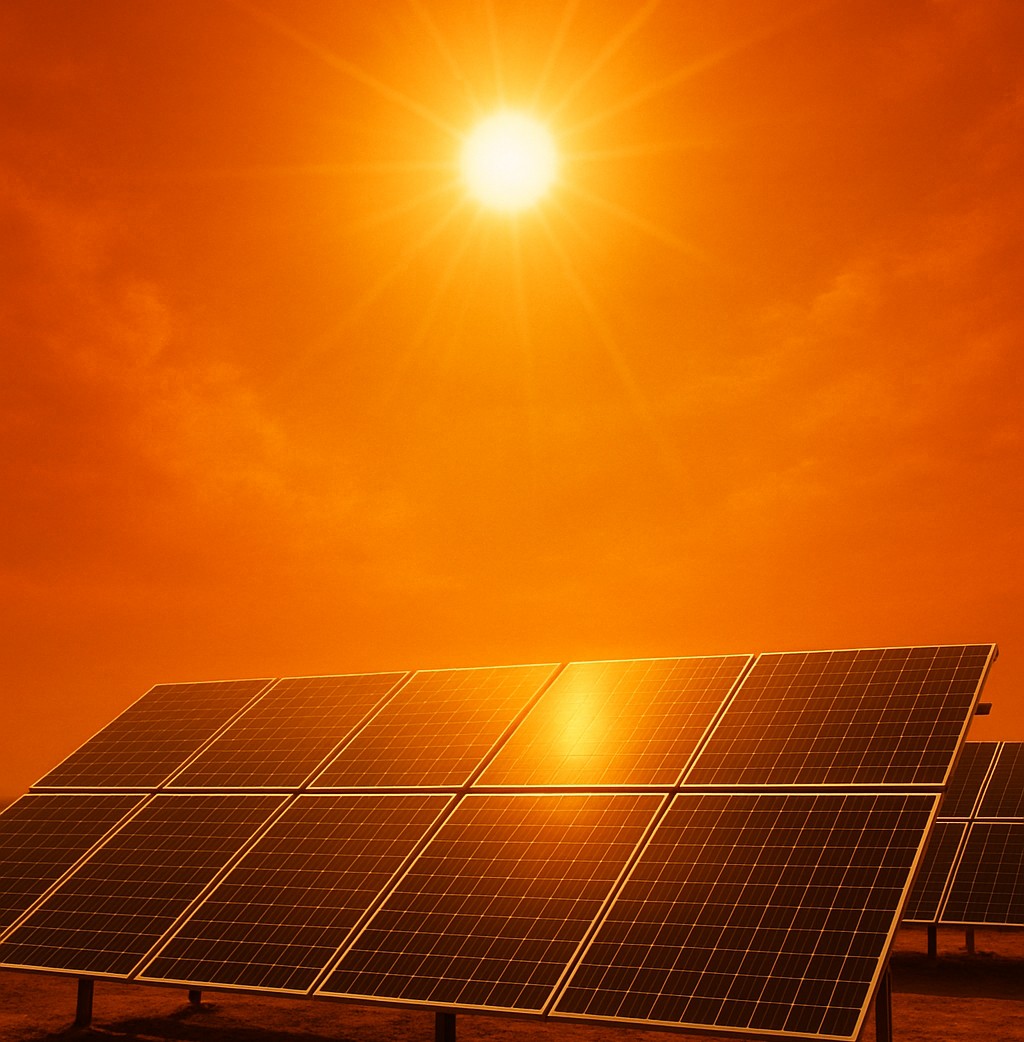
Over time, the concept has evolved into a viable dual-use system that optimizes land use by combining agriculture with solar power generation. This approach not only enhances land productivity but also offers significant benefits such as water conservation and additional income streams for farmers.Read More
|
|
In the Sweltering Southwest, Planting Solar Panels in Farmland Can Help Both Photovoltaics and Crops
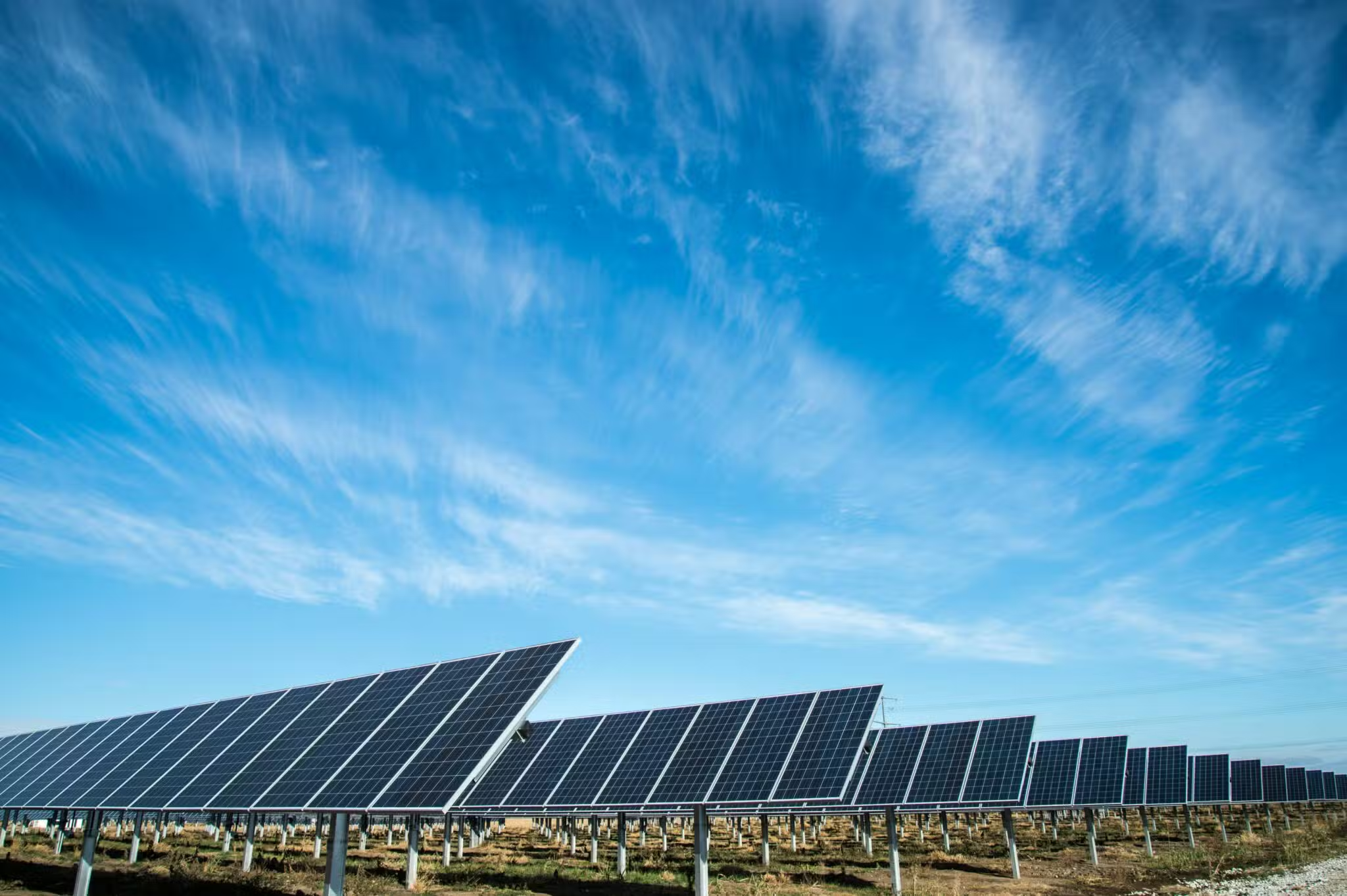
Agrivoltaic solar arrays can shade crops from sun while moisture from vegetation cools the panels to increase their productivity, researchers and farmers have found.Read More
|
|
Agrivoltaics for sugarcane
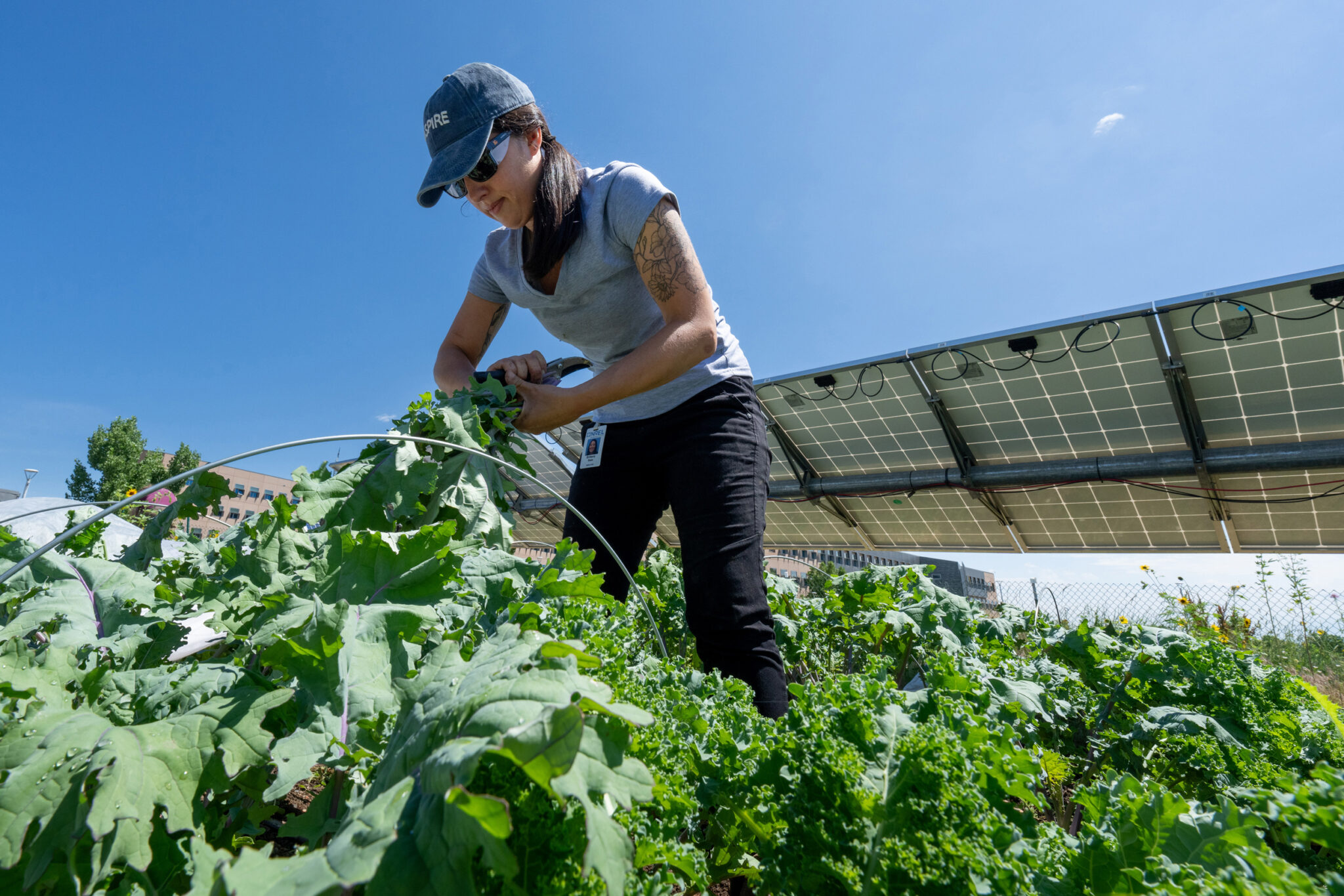
Brazilian scientists have investigated the potential of agrivoltaics on sugarcane fields and have found this combination may provide benefits in terms of both agricultural and electricity yield. Their results showed that under certain conditions the sugarcane yield below the panels can be higher than that of plots without PV.Read More
|

|
The effect of establishment method and shade zones within solar arrays on pasture production in agrivoltaics production system
The study investigates how different field preparation methods and shading patterns within solar panel arrays affect pasture establishment and biomass yield in an agrivoltaic system. The authors tested three treatments prior to sowing (i) tillage followed by plastic cover, (ii) plastic cover only, and (iii) herbicide only across four zones with varying shade intensities under ground-mounted PV panels. A mixed pasture species composition (grasses, legumes, chicory, plantain) was used.Read More
|

|
Germany offers best European policy for agrivoltaics, claim researchers
Scientists in Canada studied romaine lettuce growth under cadmium telluride thin-film solar modules with varying transparency and photosynthetically active radiation, and found Germany's regulatory framework most effective for maximizing agrivoltaic benefits.Read More
|
|
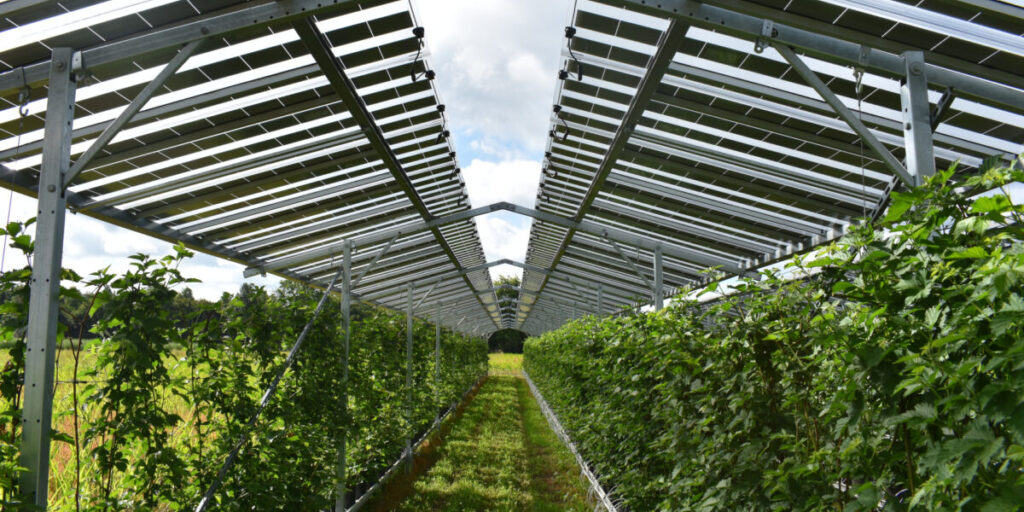
Vertical solar and strawberries: How California farmers are harvesting cash and crops
California farmers face mounting economic pressures, including high electricity prices. Do agrivoltaics offer a solution?
Read More
|
|
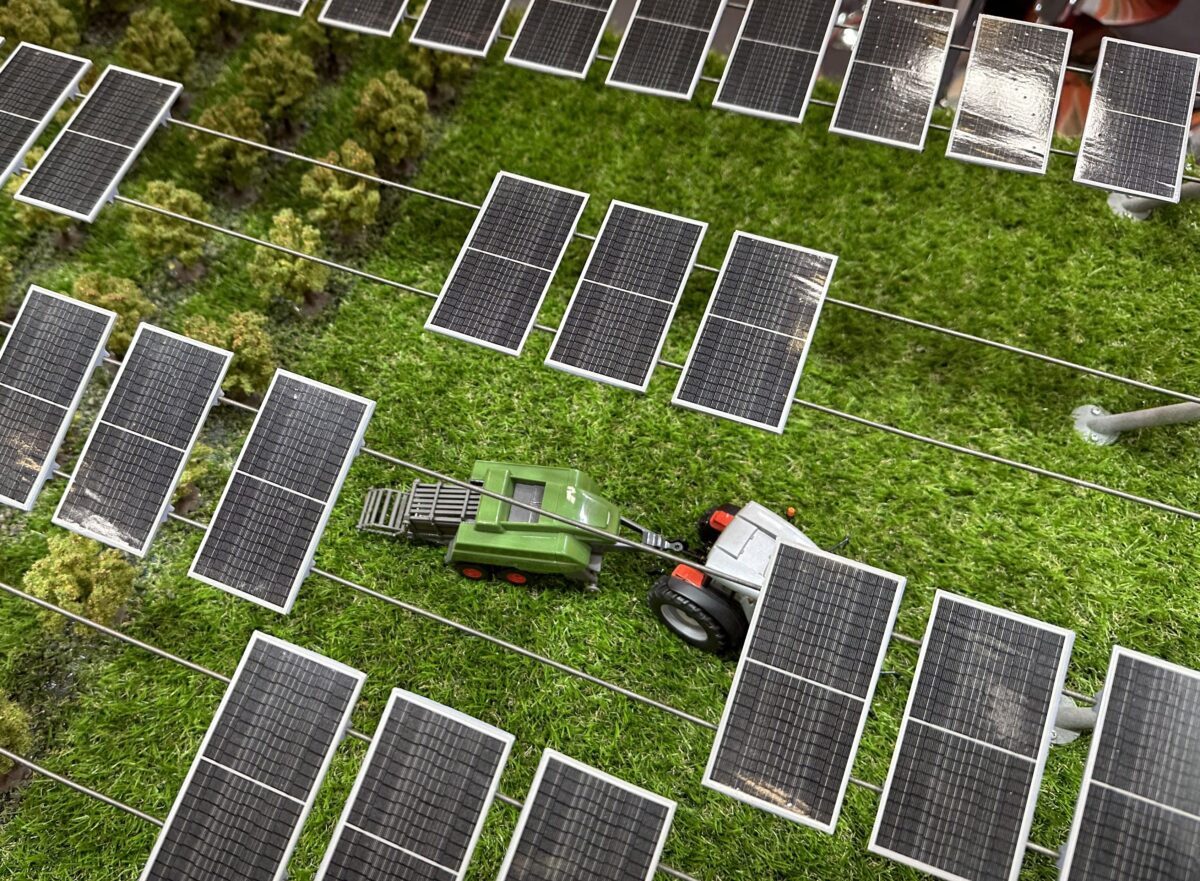
Chute-a-Blondeau Agrivoltaics project secures additional land, more than doubles in size
The East Hawkesbury Council has officially endorsed the Chute-a-Blondeau Agrivoltaics Solar Project, a major renewable energy and agriculture initiative led by Compass Greenfield Development (CGD). Originally planned to cover 59 acres and generate 9.5 MW, the project has now expanded to 126 acres, aiming to produce up to 22 MW of clean energy for Ontario residents. The updated plan includes 350 grazing sheep, vegetative screening, a pollinator garden and enhanced solar infrastructure connected to two Hydro One feeders. The project will be submitted to Ontario's Independent Electricity System Operator (IESO) under the Long-Term 2 (LT2) procurement program by October 2025, with contracts expected in early 2026. Operations are planned to begin by 2029-2030, with a potential extension beyond 2050.Read More
|
|
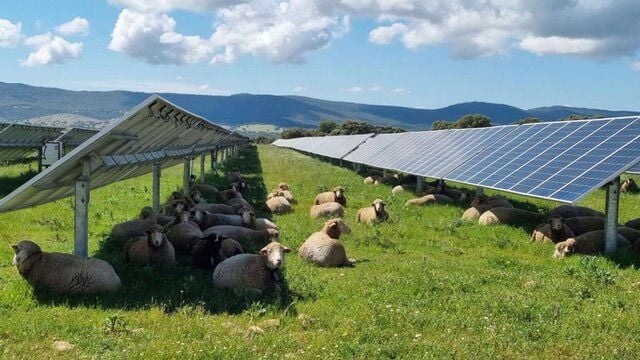
Cuts to federal solar tax credits send Mass. farmers 'scrambling'
Massachusetts farmer Tassinari is using agrivoltaics the combination of farming and solar power to keep his farmland productive and financially sustainable. The income from solar projects helps him invest in equipment like tractors and improve his farm operations. Federal solar tax credits, which covered 30% of installation costs, were instrumental in helping him launch his first agrivoltaic project. However, many farmers across Massachusetts are struggling due to rising land costs, aging demographics, expensive equipment, and climate challenges, leading to the loss of over 100,000 acres of farmland since 1997.Read More
|
|
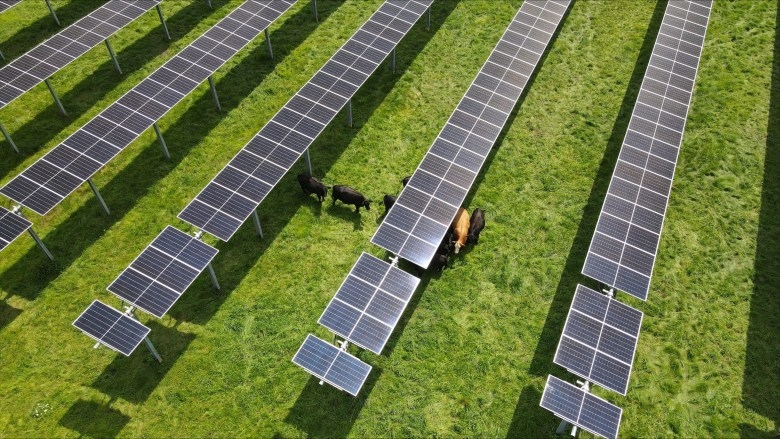
How agrivoltaics can alleviate Washington's mounting agricultural, energy pressures
An in-depth study looked at the varying facets within Washington's agriculture industry to determine how and where agrivoltaics can be best implemented to help meet the state's energy needs and provide financial support to the state's agriculture industry.
Read More
|
|
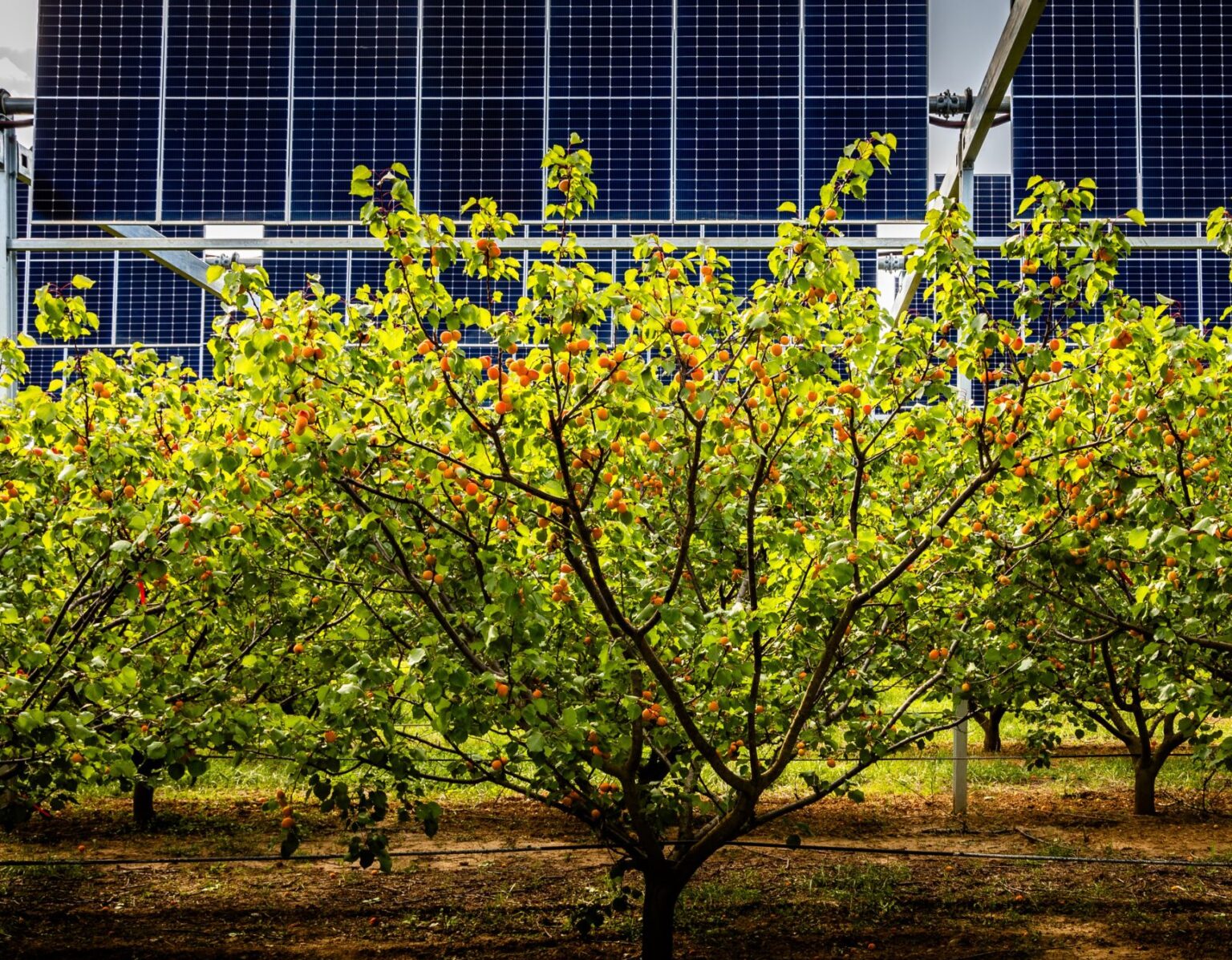
Combining agriculture and solar power to create dual revenues
Agrivoltaics systems place solar panels directly in the field, either arranged several feet above agricultural activities or in rows to allow for crops or animals to be between them. The goal is to continue producing an agricultural commodity while gaining another revenue source for the farm through solar energy.Proponents of agrivoltaics tout the dual use of agricultural land, which can allow for plant and animal agriculture operations to coexist with solar energy production and the ability to use such energy on the farm. Read More
|
|
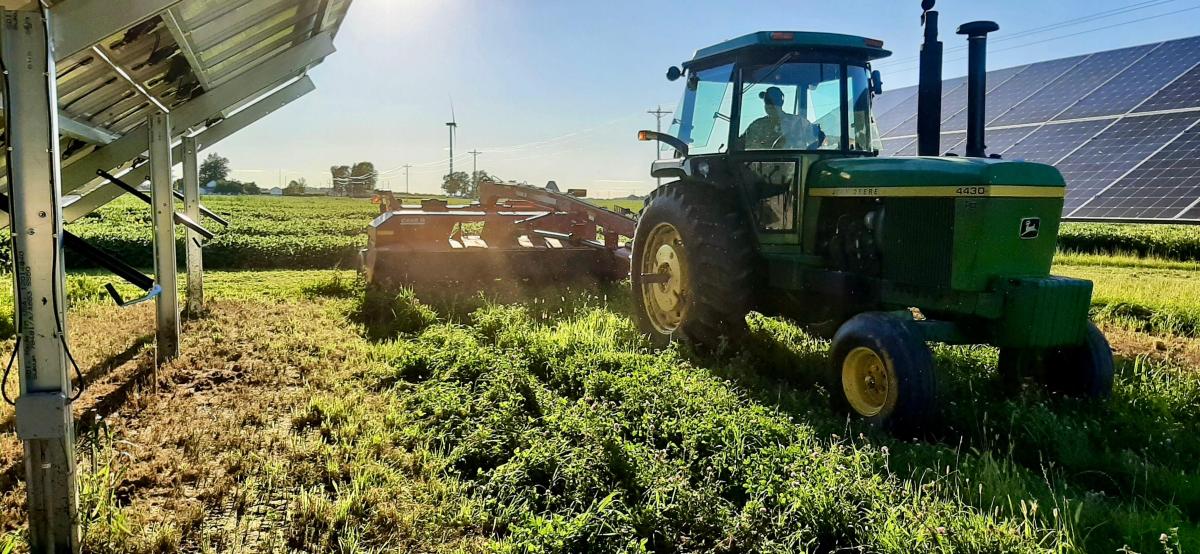
Researchers highlight importance of site-specific agrivoltaics design
A research team from Temple University in Philadelphia analyzed the synergies and trade-offs of land conversion to agrivoltaics and other multi-use solar energy landscapes globally. They found that co-located solar systems should be specifically tailored in order to offer optimal performance and minimize negative impacts.
Read More
|
|
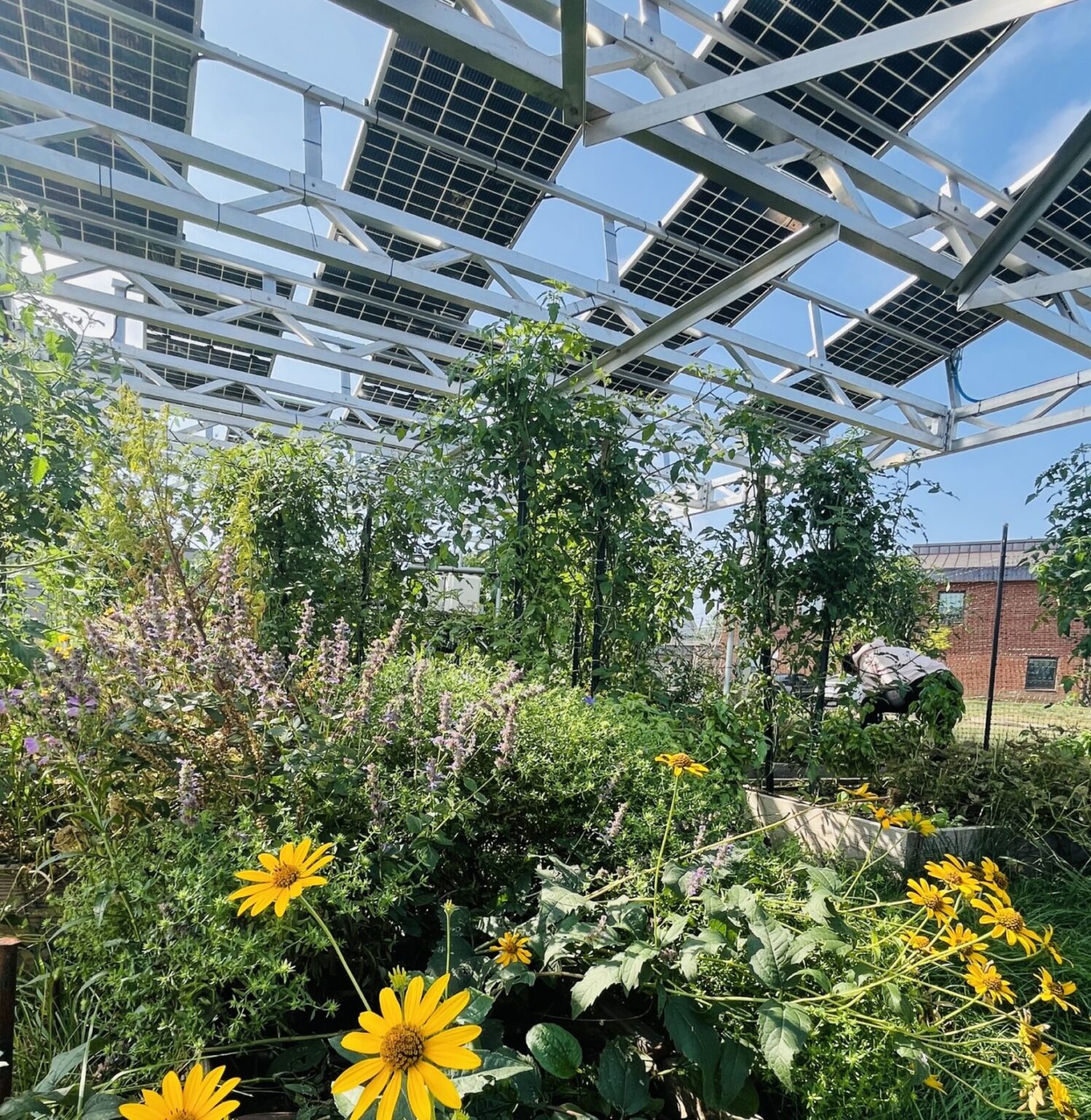
Researchers discover next-gen revenue source that could transform agriculture: 'Probably the highest profit-making piece on this farm'
A pioneering project in northern Michigan is testing how solar energy can make agriculture more sustainable. Michigan State University, in partnership with local farmers, has installed solar panels in apple orchards to study their impact on power generation, tree growth, and scalability for other crops. Farmer reflects the strong economic and environmental potential of agrivoltaics.The initiative is part of a broader global shift toward sustainable agriculture technologies including vertical farming in Mexico, AI-driven smart farming in India, and precision agriculture practices in the U.S. aimed at reducing environmental impacts like nutrient runoff. Together, these innovations are shaping the future of climate-resilient and efficient farming systems.Read More
|
|
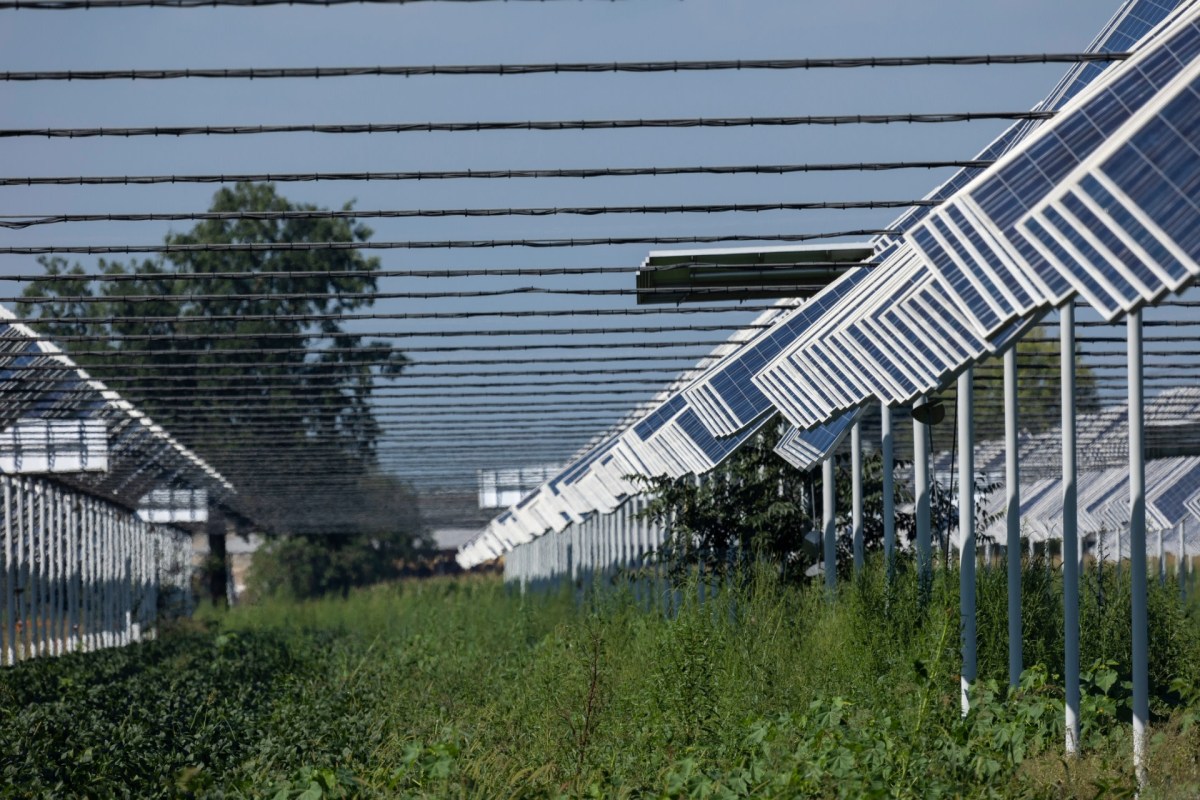
Two new agrivoltaic projects eyed for Hadley farms
Two new agrivoltaic solar projects have been proposed in Hadley, Massachusetts, aiming to generate renewable energy while allowing continued agricultural use of the land. Developed by Solar Collective Agrivoltaics (New York) under the Solar Massachusetts Renewable Target (SMART) program, the projects were presented to the Planning Board on August 19. Both proposals will undergo further review by the Planning Board and Conservation Commission, particularly due to the proximity of Parsons Farm to the Fort River.Read More
|

|
Italian photovoltaic sales dropped 33% in the first half of the year
Italy saw a notable slowdown in photovoltaic growth during H1 2025, with new installations dropping 33% in number and 16% in capacity compared to the same period in 2024, according to ITALIA SOLARE and Gaudi - Terna data. A total of 113,465 systems added 2,809 MW, bringing cumulative capacity to 39,885 MW. While residential and C&I segments declined sharply, the utility-scale sector grew 12%, buoyed by public auctions and hybrid projects. Regulatory uncertainty and the phasing out of crisis-era incentives contributed to the decline. Lazio, Lombardy, and Veneto led regional performance.Read More
|

|
Community Engagement Meeting On Allenford Solar Farm Thursday
Compass Greenfield Development has proposed a 25 MWac agrivoltaics project on a 60-acre rural parcel in Allenford, Ontario, aiming to integrate solar generation with farming. The project, backed by Sauble River Agrivoltaics, plans to connect to Hydro One infrastructure on Highway 21 and does not include battery storage. Community engagement efforts included meetings on July 31 and September 4, 2025. While some local residents voiced concerns via a petition, the site is designated as rural, not agricultural, under the town's Official Plan.Read More
|
|
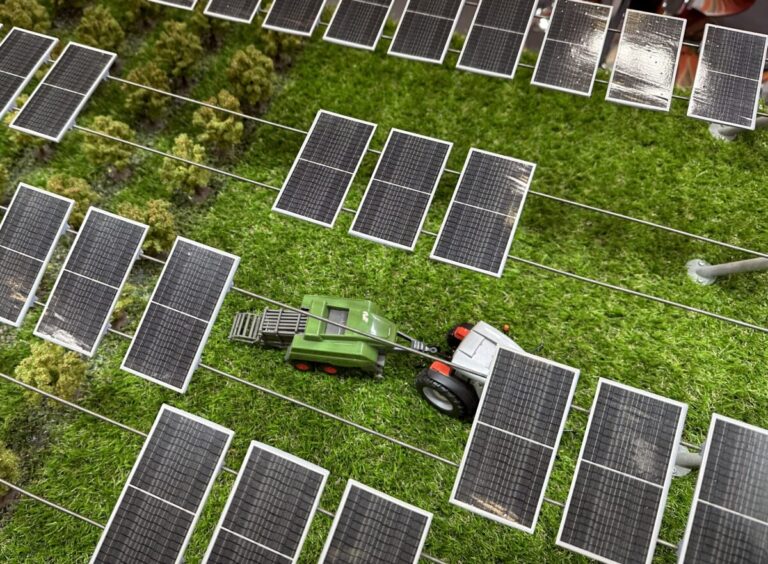
Energy company unveils game-changing tool to help farmers transform their land: 'Crucial to the success'
An energy company has launched a new tool to help farmers worldwide integrate solar power into agricultural operations. Designed to support dual-use land practices, the tool offers guidance on combining crop cultivation or livestock grazing with solar energy production. This innovation not only boosts farm efficiency but also advances global sustainability goals by reducing carbon emissions and promoting responsible land use.Read More
|

|
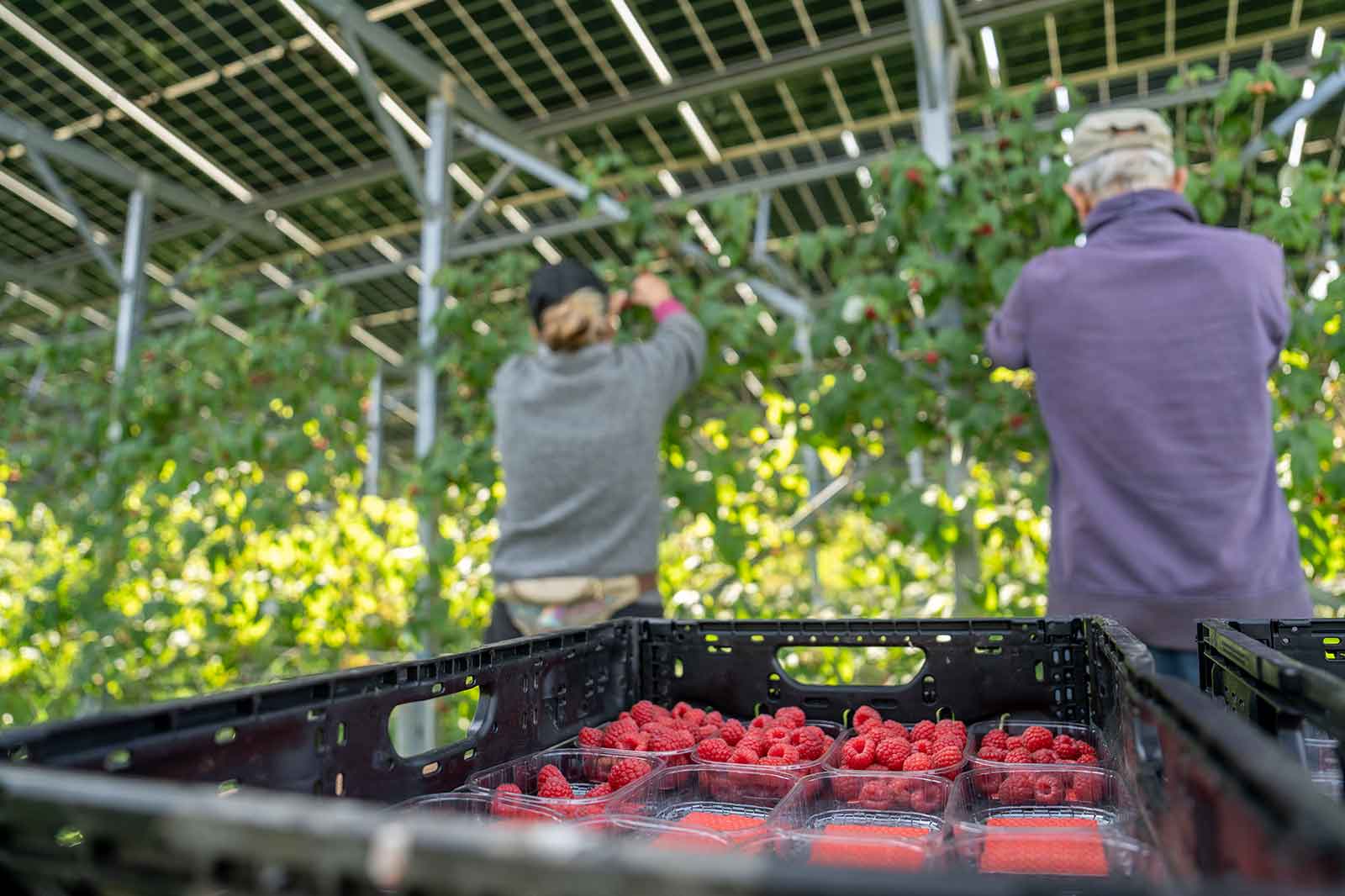
Solar power and agricultural yields provide double harvest from RWE agrivoltaics demonstration plant
RWE has launched a 3.2 MWp agrivoltaics demonstration plant in Bedburg, Germany, repurposing a former lignite mining site to integrate solar energy with agriculture. Spanning seven hectares and equipped with 6,100 solar modules, the facility powers over 1,000 homes while supporting crops like wheat, barley, and raspberries. The project tests three innovative solar configurations vertical, tracker, and pergola-style systems aimed at optimizing energy and crop yields. Backed by Forschungszentrum Julich, Fraunhofer ISE, and North Rhine-Westphalia's progres.nrw program, the initiative highlights the environmental and agricultural benefits of dual land use.Read More
|
|
Germany's 'Largest' Agrivoltaic Park Operational
Vattenfall has inaugurated Germany's largest agrivoltaics project a 76 MW solar farm in Tutzpatz, Mecklenburg-Western Pomerania spanning 93 hectares across three sites. The facility integrates crop rotation, animal husbandry, and mobile chicken coops, showcasing sustainable dual land use. Backed by a 10-year power purchase agreement with Deutsche Telekom subsidiary PASM, the project will power around 4,600 mobile sites. Vattenfall plans to scale its agrivoltaics portfolio in support of Germany's 2030 solar capacity target of 215 GW.Read More
|

|
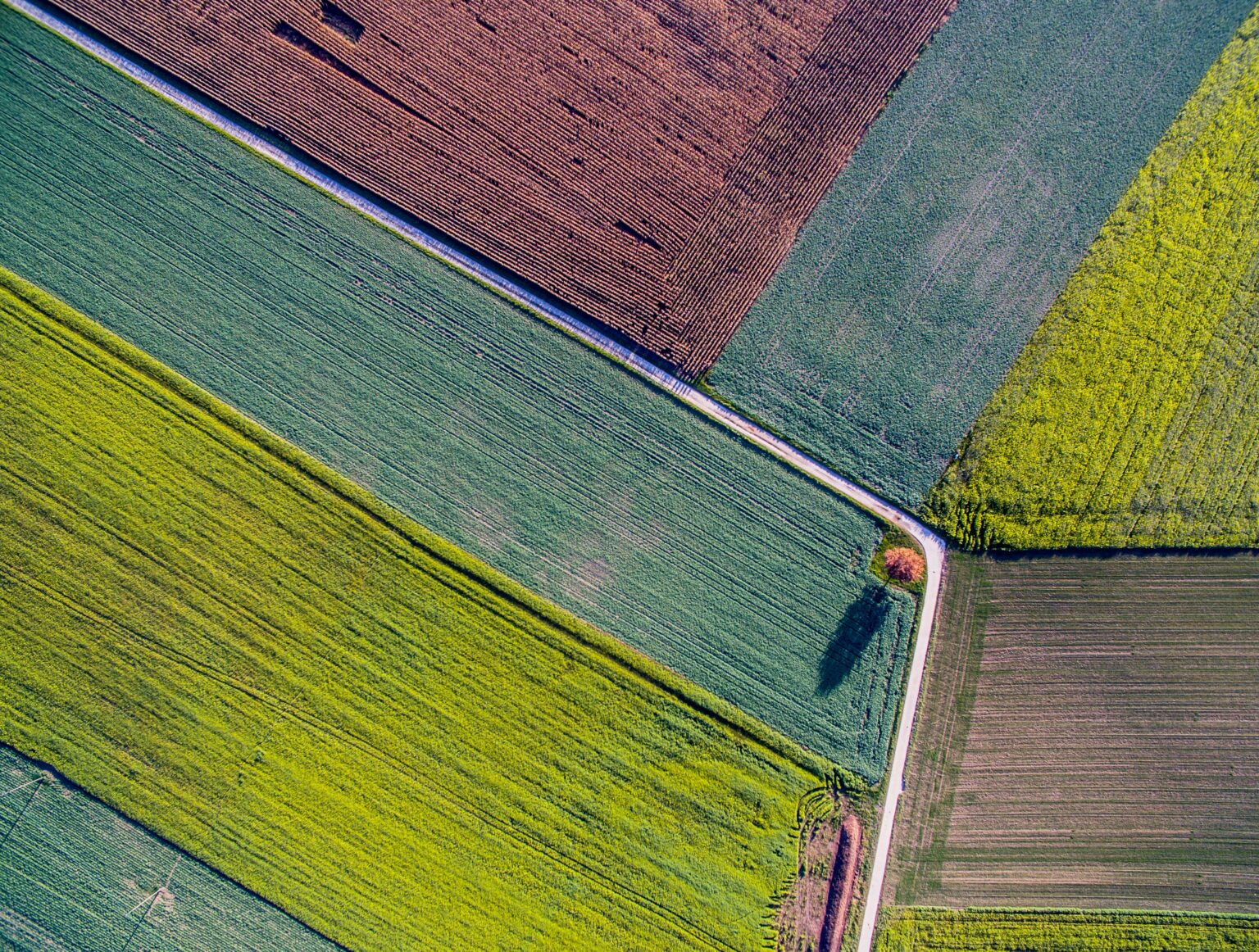
Decision making tool for crop selection in agrivoltaics
Researches in Germany have created a comprehensive crop selection tool for agrivoltaics across more than 25 countries. The proposed matrix evaluates species-specific responses of 12 major crop types to shading, microclimate changes, and crop growth, while also assessing their water needs, shade tolerance, and space requirements.
Read More
|
|
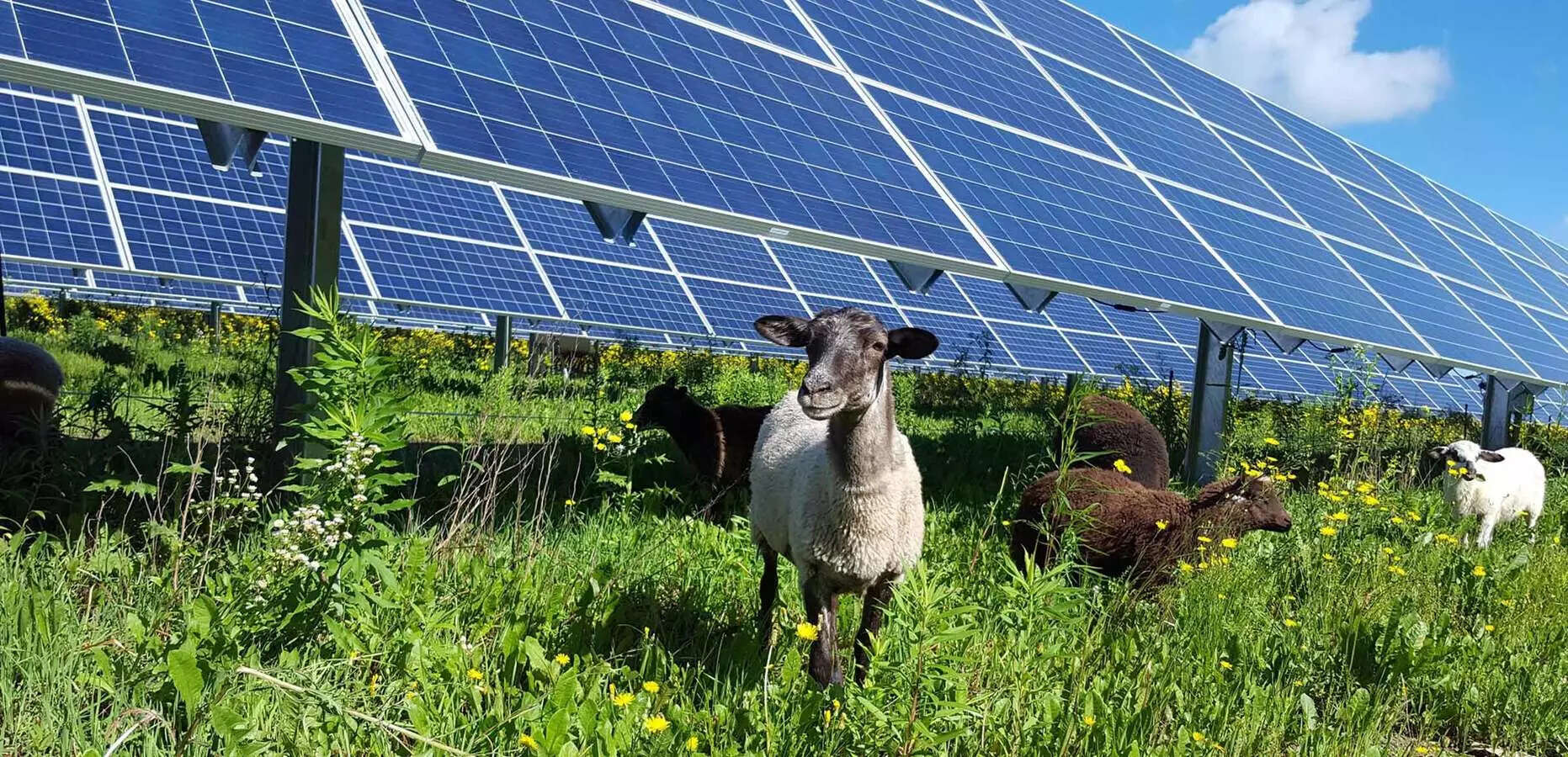
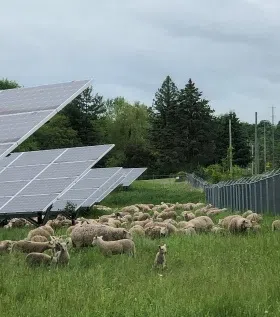
Illinois farmers find that sheep and solar arrays go well together
The agrivoltaics practice of raising sheep under solar panels is a win-win for Illinois farmers - but first the market for lamb meat needs to grow. Read More
|

|
Uncovering attitudes towards agrivoltaics via community engagement
An American research group has conducted a pilot workshop for agrivoltaics stakeholders in Arizona, including farmers, developers, government officials and indigenous leaders. A reflection paper offers some key takeaways for future public participation.
Read More
|
|
Farmers wave off concerns around innovative new use for their land: 'We just rolled around laughing'
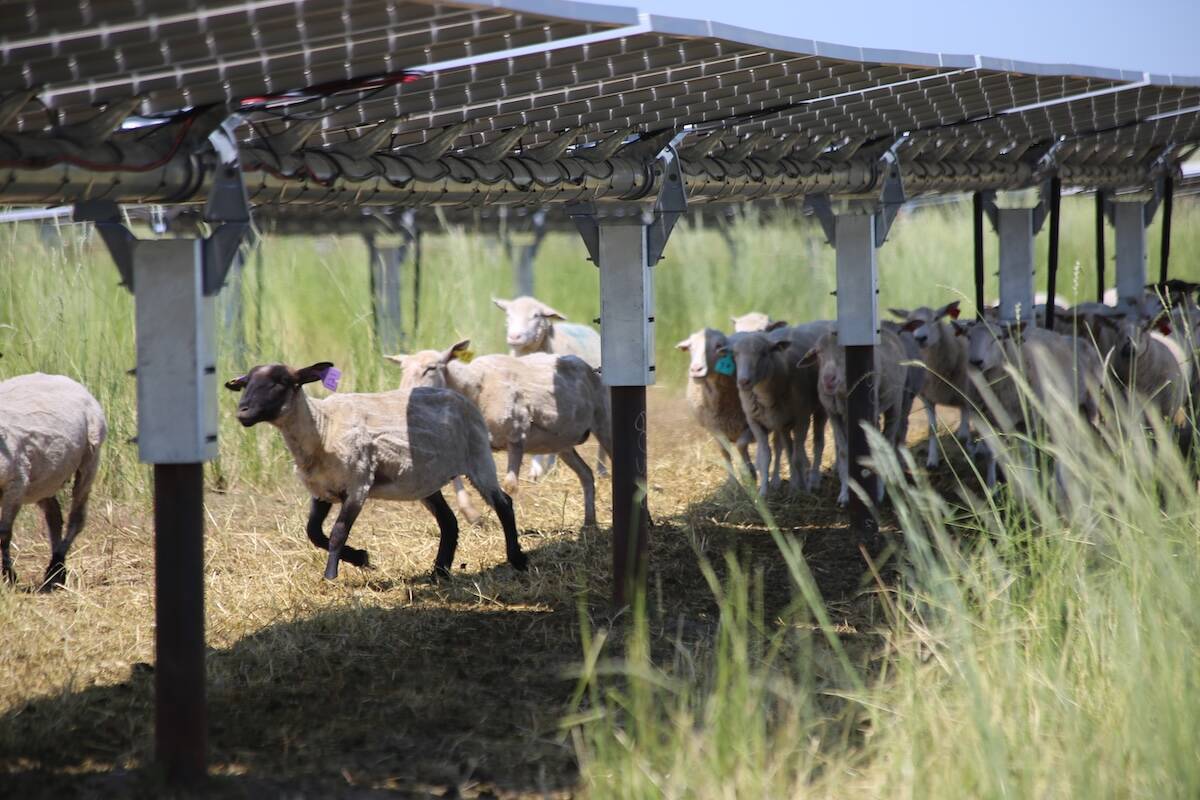
U.S. farmers are increasingly adopting agrivoltaics by grazing sheep under solar panels, combining sustainable vegetation management with renewable energy production. This practice addresses land-use concerns and demonstrates the mutual benefits of integrating agriculture with solar energy, while dispelling common misconceptions about such dual-use systems.Read More
|

|
Solar and sheep provide valuable farm diversification
Alberta farmers are adopting agrivoltaics by grazing sheep under solar panels, creating a dual-use model that boosts land productivity and generates additional revenue. This approach reduces maintenance costs, supports sustainable land use, and has garnered positive community engagement. The practice demonstrates how integrating agriculture with renewable energy can provide economic stability and environmental benefits.Read More
|
|
Philippines Inaugurates Maiden Agrivoltaic & Storage System
The Philippines has launched its first agrivoltaic project in Batangas, combining 197 MW of solar power with a 320 MWh battery storage system. Developed by Citicore Renewable Energy Corporation, the facility allows crop cultivation beneath solar panels, supporting farmers' incomes and enhancing food security. This project is part of CREC's plan to reach 5 GW of clean energy by 2030 and contributes to the country's goal of achieving a 50% renewable energy share by 2040.Read More
|

|
Philippines first baseload solar farm launched
The Philippines has inaugurated its first baseload solar power plant, Citicore Solar Batangas 1, in Tuy, Batangas. The 197 MWp facility, paired with a 320 MWh battery storage system, provides continuous 24/7 clean energy to the grid. Developed by Citicore Renewable Energy Corporation with Pertamina NRE, the P10-billion project will supply electricity to around 158,000 households, reduce carbon emissions, and advance the country's renewable energy goals. President Ferdinand Marcos Jr. attended the energization ceremony, underscoring government support for sustainable energy development.Read More
|

|
Sheep & Solar Panels: The Solution For Struggling Local Farms?
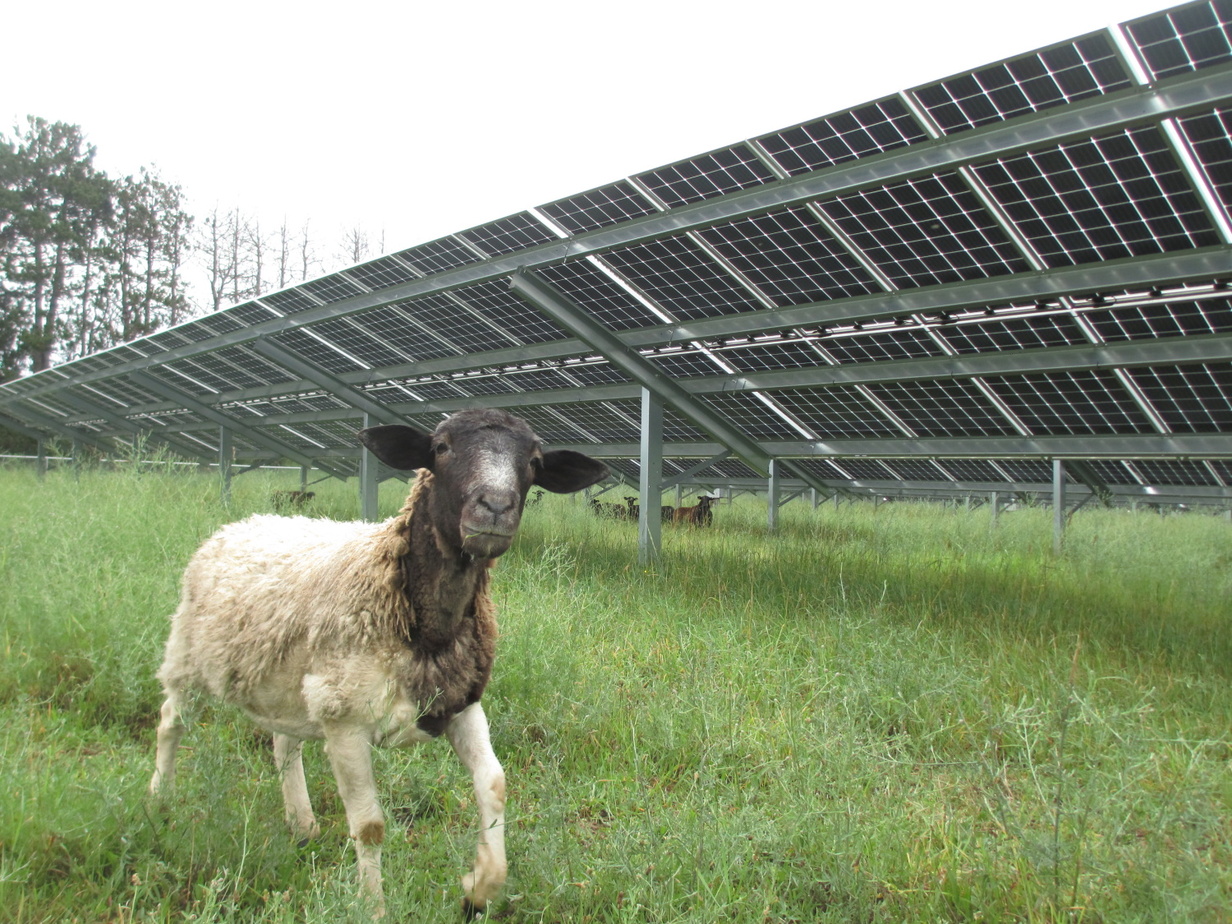
In Traverse City, Michigan, Heritage Sustainable Energy is collaborating with local farmer Brenden Ritola to graze sheep under solar panels, exemplifying agrivoltaics. This dual-use approach combines renewable energy production with agriculture, offering farmers additional revenue streams amid economic challenges. Experts from Michigan State University and the Groundwork Center highlight agrivoltaics as a promising model for sustainable and resilient farming in the state.Read More
|
|
United States & Japan Agrivoltaics Market Trends: Adoption of Bifacial Panels, Adjustable Mounting Systems, and Smart Energy Management
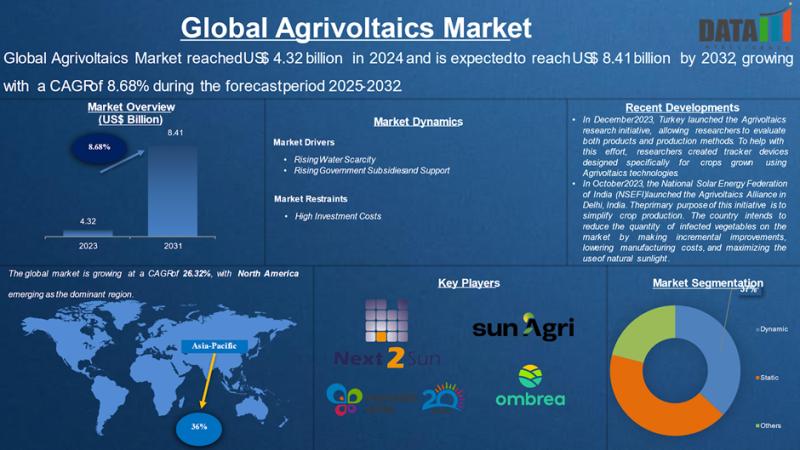
The agrivoltaics market combining solar energy with crop cultivation is rapidly expanding in the U.S. and Japan. In the U.S., the market is projected to grow from USD 4.1 billion in 2024 to USD 12.0 billion by 2034 (CAGR 11.3%), driven by initiatives like solar grazing in Texas and research at Iowa State University showing improved crop performance under panels. In Japan, government policies and sustainable agriculture priorities are fueling growth, with technological advances and training programs addressing challenges such as high upfront costs and labor shortages.Read More
|
|
Supporting Farmers Is Key to Combating the Climate Crisis
Farmers face growing challenges from extreme weather, pollinator disruptions, and economic uncertainty. The 'Keeping Farmers on the Land' summit, in partnership with the American Farmland Trust, highlighted strategies to support agricultural communities, including soil health initiatives, land protection measures, agrivoltaics, and smart solar solutions. The discussions underscored the need for reinvestment and innovative policies to help farmers thrive.Read More
|

|
Lightstar Renewables Celebrates Successful Launch of New York's First Agrivoltaics Project
Lightstar Renewables has launched New York's first agrivoltaics project at DiMartino Farm in Montgomery. The Plains Road Agrivoltaics project, completed in August 2025, integrates solar energy with hay and vegetable farming, exemplifying sustainable dual land use. Supported by local authorities through zoning amendments, the initiative serves as a model for future agrivoltaic projects, advancing both agricultural productivity and New York's renewable energy goals.Read More
|

|
Agrivoltaics for arboriculture
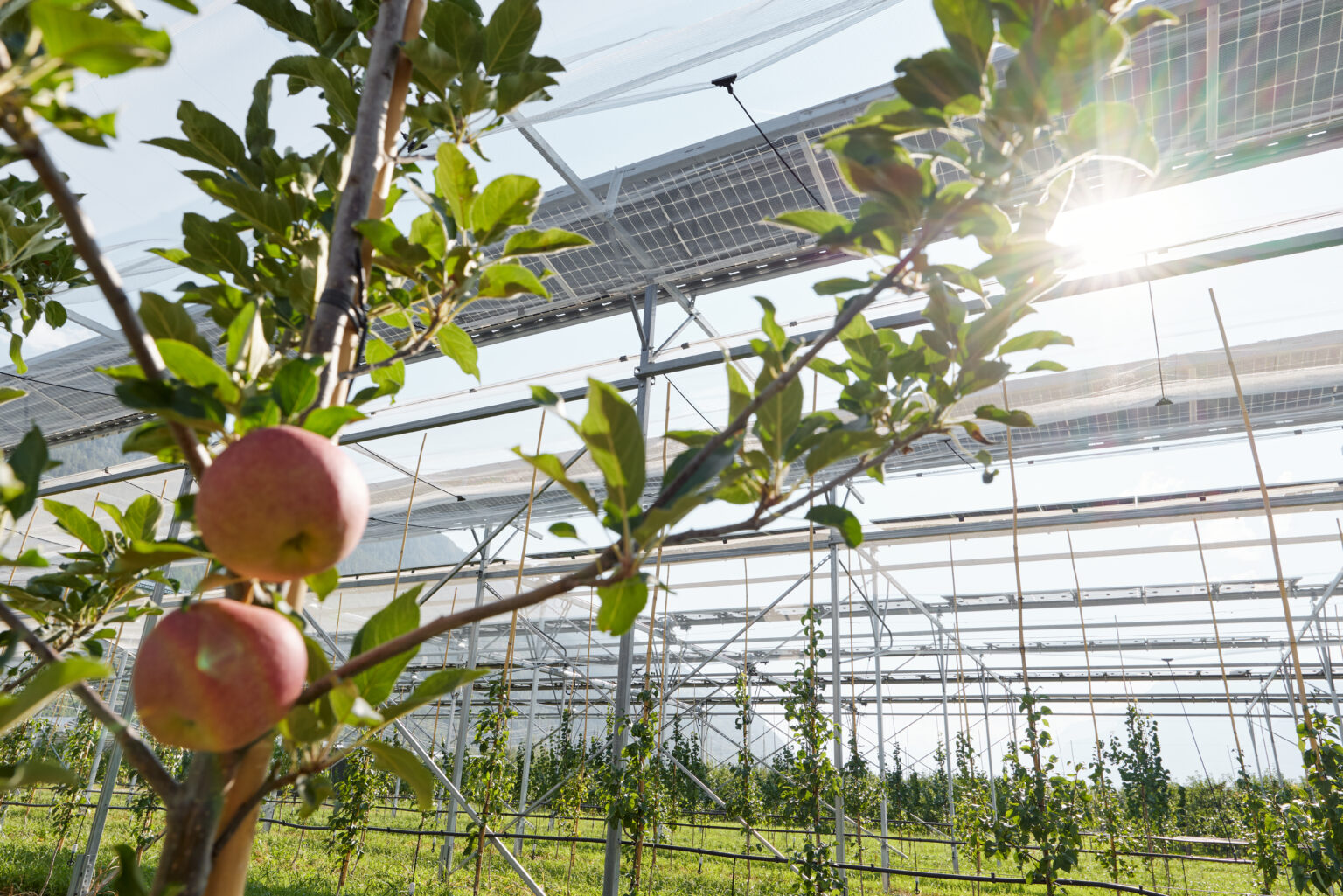
Swiss company Insolight inaugurated a 250?kW agrivoltaic installation on apple, pear, and apricot orchards in Conthey, producing 300?MWh per year for the grid, in collaboration with Agroscope, Romande Energie, and the canton of Valais.
Read More
|
|
Support needed at all levels for high-value solar projects
Alberta farmers are increasingly exploring the integration of solar energy with agricultural operations. Agrivoltaic projects offer opportunities to diversify farm income while supporting renewable energy goals. Successful implementation depends on coordinated support at governmental, financial, and technical levels to enable high-value solar initiatives on agricultural lands.Read More
|
|
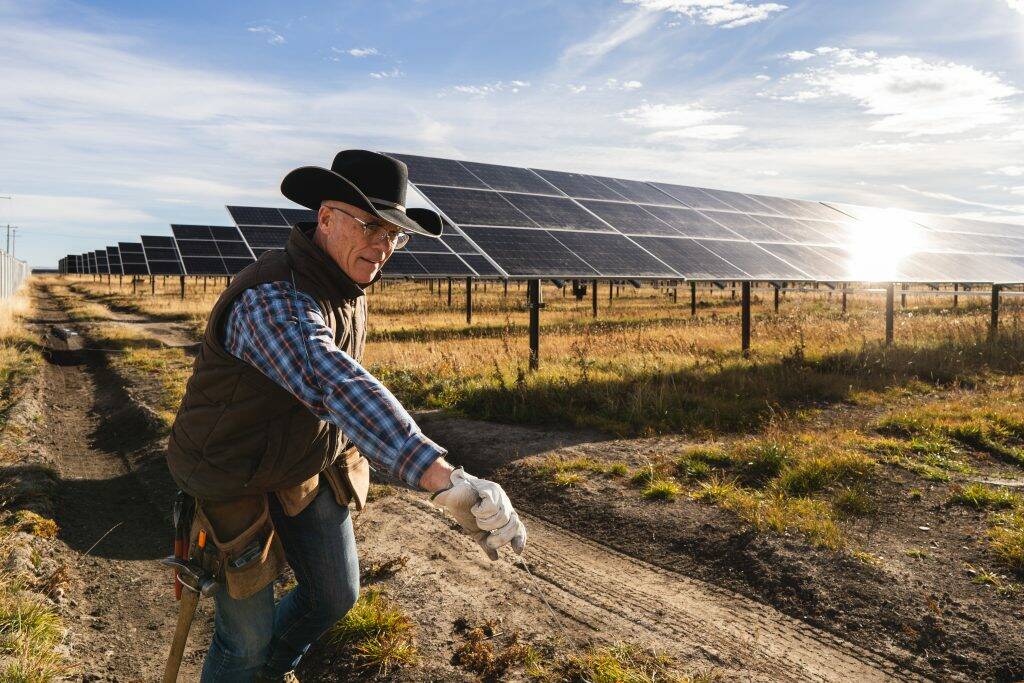
Sol Systems Celebrates Largest Project to Date with 342MW Eldorado Solar Project in Southeastern Illinois
The Eldorado Solar Project in Saline County, Illinois, developed by Sol Systems and Tenaska, is a 342 MWdc utility-scale solar facility and Sol Systems' largest project to date. Completed in September 2025, the project uses U.S.-made panels and tracking systems, and secured $250 million in financing from a consortium of banks. Engaging over 19 local landowners, it provides long-term rental income and is projected to generate $26 million in property tax revenues to support schools, roads, and community services. Environmental initiatives include pollinator habitats and native plantings, highlighting the integration of renewable energy, community benefits, and ecosystem enhancement.Read More
|
|
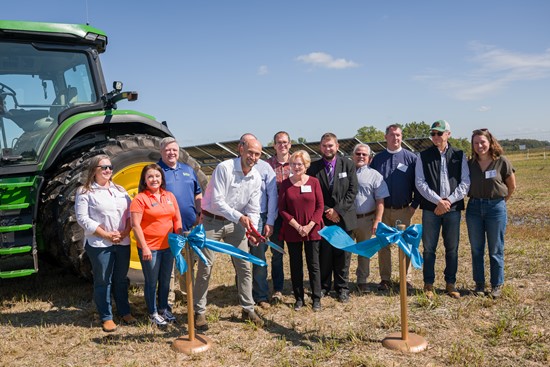
Will Agrivoltaics Thrive on Farms, or Is There Too Much Red Tape?
Agrivoltaics is a integrating solar energy systems with agriculture is gaining attention for its potential to improve crop yields and reduce water use. However, its expansion faces challenges including community opposition, unclear regulations, complex permitting, and concerns over economic viability. The article highlights the need for policy reforms and community engagement to support the wider adoption of agrivoltaic systems.Read More
|

|
Europe Solar PV News Snippets: 88.9 MW Hybrid Renewable Energy Park In Sweden & More
The European solar PV industry is advancing through several key projects: Denmark's European Energy inaugurated a 49.6 MW wind and 39.3 MW solar hybrid park in Sweden; RES secured a 3-year O&M contract for the UK's 373 MW Cleve Hill Solar Park; and Power Capital Renewable Energy in Ireland raised 323 million pounds to fund its solar and storage pipeline. Innovations include lightweight, dustproof PV modules in Italy, while agrivoltaics gain momentum in Poland and Germany, with projects aiming to boost local economies, reduce emissions, and generate renewable energy alongside agriculture.Read More
|

|
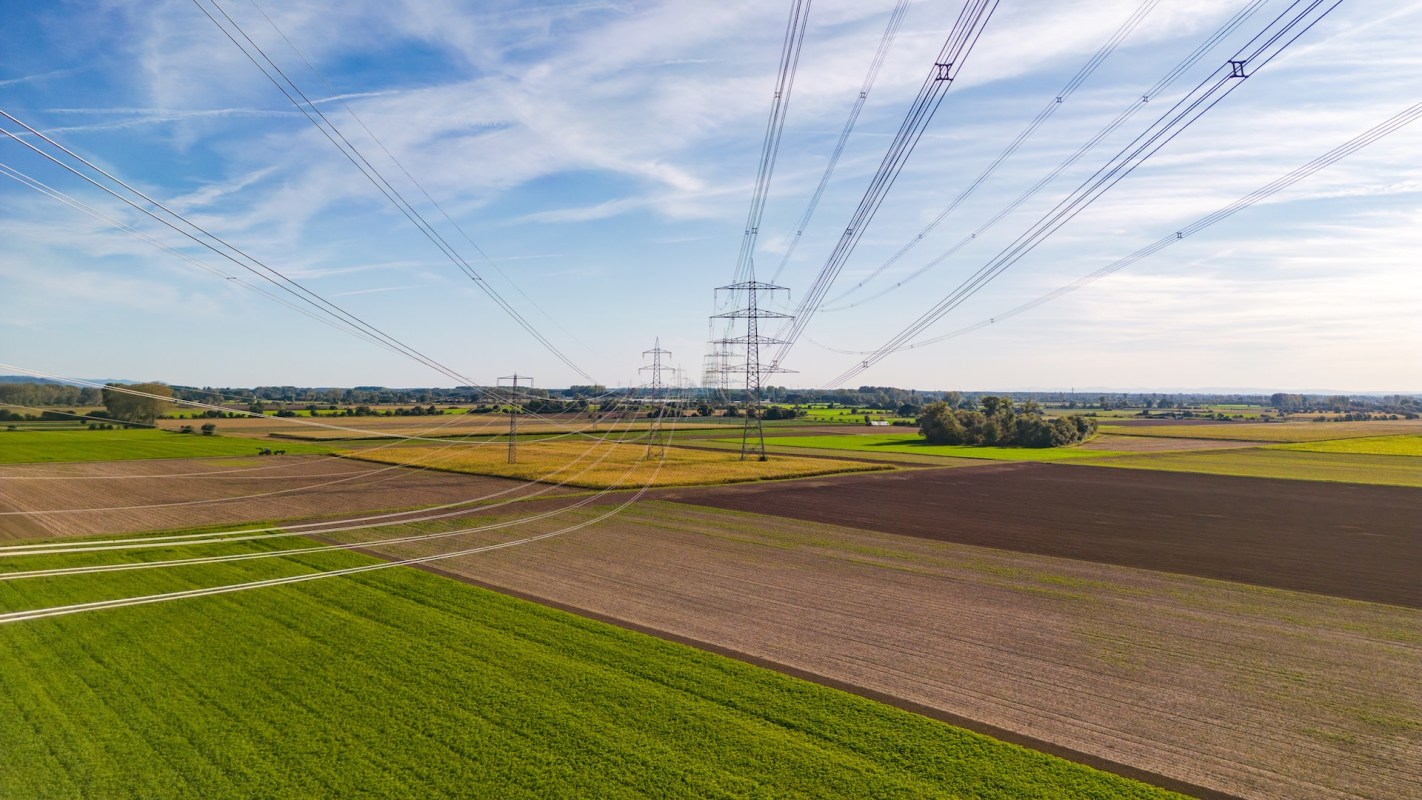
Farmers discover unexpected method to boost profits on their land: 'There is a lot of interest''
Olds College in Alberta hosted a caucus with 60 participants, including academics, farmers, and industry representatives, to explore agrivoltaics-the integration of solar energy with agriculture. The discussions highlighted models ranging from crop cultivation to livestock grazing, emphasizing benefits such as diversified income for farmers, water and soil conservation, and environmental improvements. While initial assessments are needed, agrivoltaics presents a sustainable and profitable opportunity for Canadian farmers.Read More
|
|
High schooler helps local farmers transform their operations: 'Farmers put so much effort and hard work into improving their farms'
Sarah Bendok's Growing Green initiative in South Phoenix is bringing agrivoltaics to local farmers, combining solar panels with agriculture to boost crop yields and provide sustainable energy. At the 19-acre Spaces of Opportunity community garden, a 4.8 kW system increased jalapeno harvests 4.5-fold, with produce supporting food banks, farmers markets, and schools. Bendok's work earned the North American Agrivoltaics Award for Solar Farm of the Year and recognition in Junior Achievement of Arizona's 18 Under 18 program.Read More
|
|
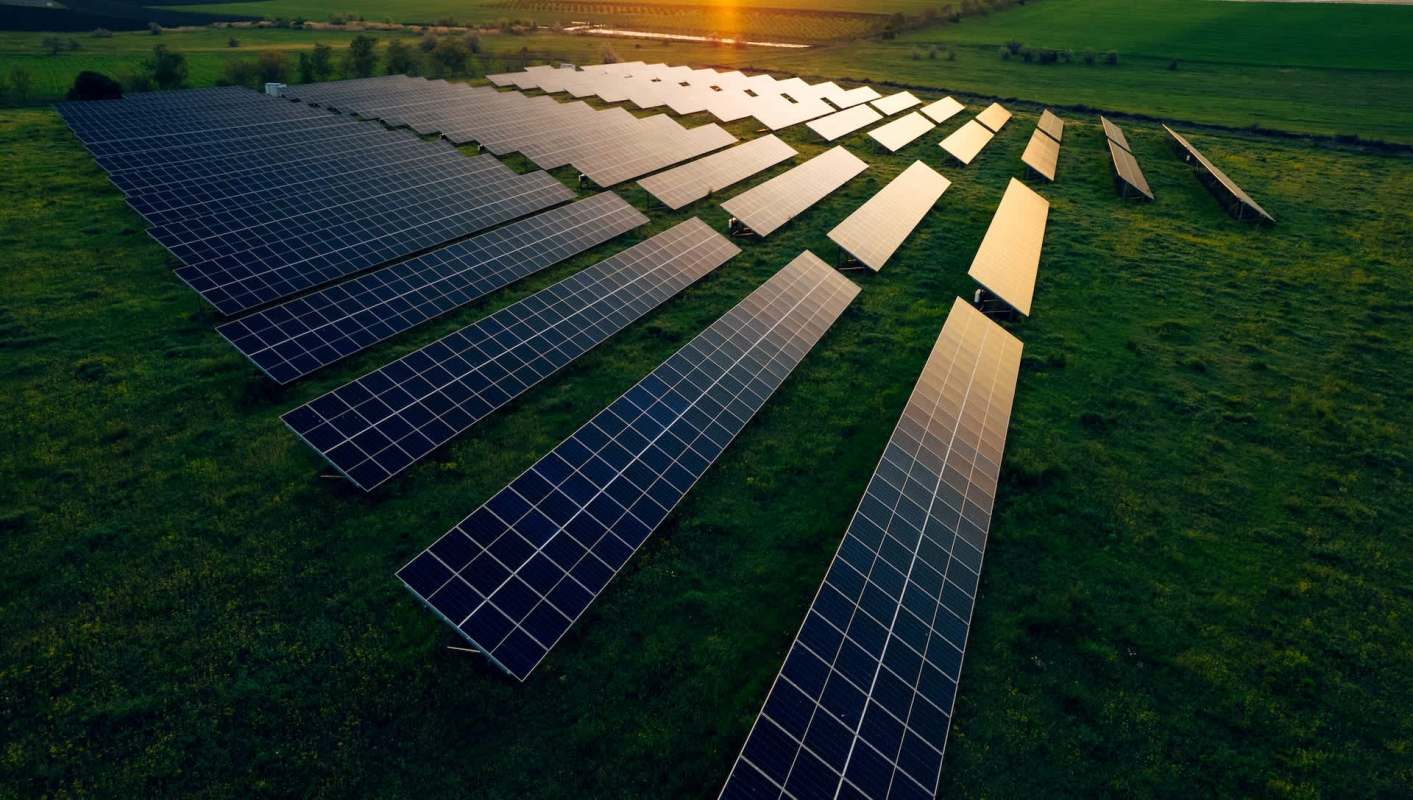
Agri-voltaics expanding in Colorado and in the U.S.
Agrivoltaics is the integration of solar panels with farmland is gaining momentum, with the amount of solar-producing agricultural land more than doubling over the past five years. In Colorado, these projects boost land productivity, support agricultural activities, and contribute to local economies while promoting renewable energy and environmental stewardship.Read More
|

|
What is Agrivoltaics? OSU associate professor Chad Higgins explains the process
Dr. Chad Higgins explains agrivoltaics, the practice of combining solar panels with agricultural activities on the same land, at OSU's research facility. Benefits include enhanced crop yields through reduced heat stress, water conservation via lower evaporation, and increased economic resilience for farmers. The facility studies the effects of solar integration on various crops, highlighting the potential of dual-use land strategies.Read More
|

|
Farmers Powering Communities launches to advance agrivoltaics and rural solar benefits
Reactivate, American Farmland Trust, and Edelen Renewables Community Solar have launched the Farmers Powering Communities (FPC) program to advance agrivoltaics-community-scale solar projects on agricultural lands. The initiative focuses on using marginal lands, providing affordable clean energy, creating jobs and training opportunities, and ensuring sustainable agricultural practices alongside energy production. FPC aims to continue supporting farm-based solar development amid recent limitations on the Rural Energy for America Program (REAP).Read More
|
|
|
`
Address: 35-137, 1st Floor, Rectangle-1, D-4,
Saket District Centre, New Delhi - 110017
© 2025 India Agrivoltaics Alliance(IAA)
|
|